
Diseases
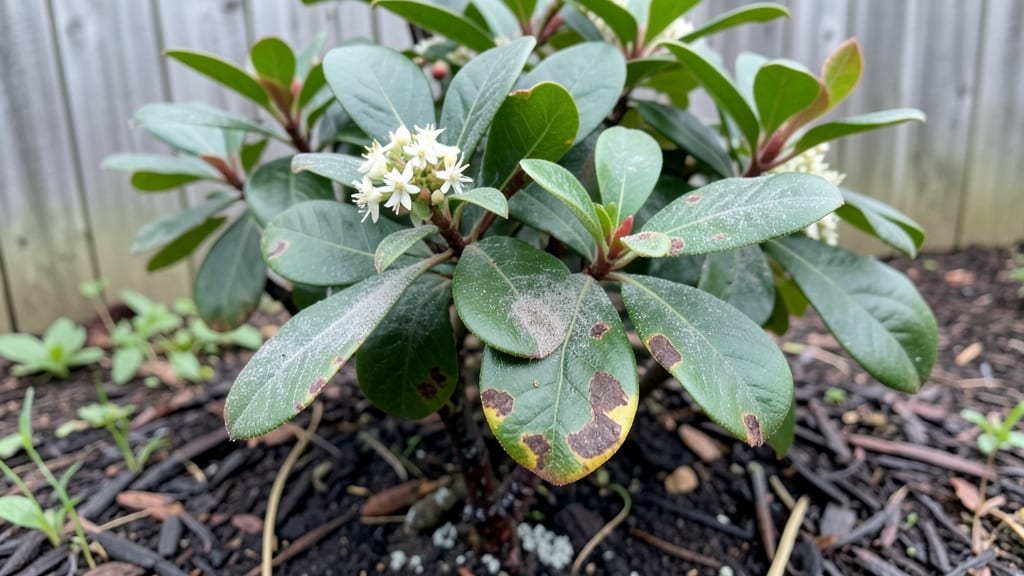
Evergreen tree diseases like needle blight and root rot can silently transform your yard’s backbone into a shadow of its former self—until it’s too late. 🌲 I’ve watched my own healthy pines and spruces spiral into decline after ignoring early signs—yellowing needles, stunted growth, or that musty smell at the base.
The good news? Most diseases are preventable with the right knowledge, and early action can save even a struggling tree.
Fungal infections like needle cast or canker diseases thrive when trees are stressed—whether from poor drainage, overwatering, or crowded roots. I learned the hard way that proper spacing (at least 10-15 feet apart for mature trees) and well-draining soil make all the difference.
Even organic mulch helps, but only if it’s kept 3-4 inches away from the trunk to prevent rot. The key is catching problems before they spread, because once a tree’s roots or needles are badly damaged, recovery gets tough.
Treatment starts with pruning infected branches—sterilize your tools with rubbing alcohol between cuts—and applying fungicides (organic options like copper spray or neem oil work for mild cases). For root rot, improving drainage and reducing watering can stop the spread.
The sooner you act, the better: a tree with just a few brown needles might bounce back, but one with half its canopy dead could be past saving. Don’t wait until it’s too late—check your trees every 2-3 months for early warning signs.
This guide covers the most common diseases, their telltale symptoms, and step-by-step fixes—whether you’re dealing with a single infected branch or a full-blown outbreak. Prevention is easier than cure, but even if your tree is already struggling, there’s still hope.
Let’s get your evergreens back to their healthy, vibrant selves before winter sets in.
Root Causes Behind Tree Struggles
Evergreen trees may seem indestructible, but they’re just as vulnerable to disease as any other plant. Understanding why these issues arise is the first step toward prevention and treatment. Below, we break down the key factors that trigger evergreen tree diseases—from microscopic invaders to environmental stressors.
Evergreen trees often fall prey to fungal, bacterial, or viral pathogens that exploit weak spots in their defenses. Here’s how it happens:
- Fungal Spread 🍄 Fungi like Phytophthora or Armillaria thrive in moist, poorly drained soil or wounds from pruning.
They produce spores that latch onto leaves, bark, or roots, eventually clogging vascular tissues and blocking water/nutrient flow. Example: Root rot spreads when fungal hyphae invade root cells, cutting off oxygen and nutrients.
- Bacterial Attacks 🔬 Bacteria such as Pseudomonas syringae enter through pruning cuts, insect wounds, or rain splashes. They multiply in warm, humid conditions, triggering cankers (sunken, oozing lesions) or leaf spots. Example: Bacterial leaf blight turns needles brown and crispy, often starting at branch tips.
- Viral Takeover 🧬 Viruses (like Needle Cast Viruses) are rare but devastating. They spread via sap-sucking insects (aphids, mites) or contaminated tools. Infected trees show mosaic patterns on needles or stunted growth—once infected, there’s no cure, only removal to prevent spread.
Pro Tip: 💡 Inspect tools after pruning with a 10% bleach solution (1 part bleach to 9 parts water) to kill lingering pathogens!
Evergreens are tough, but extreme or inconsistent conditions lower their resistance, making them prime targets for disease.
- Water Woes 💧
- Overwatering: Soggy soil suffocates roots, inviting Phytophthora (a water mold). Symptoms include yellowing needles, wilting, and root decay.
- Drought Stress: Prolonged dry spells weaken trees, making them more susceptible to borers and fungal infections (e.g., Sphaeropsis tip blight).
- Temperature Swings ❄️☀️
- Freeze Damage: Sudden cold snaps crack bark, creating entry points for canker-causing fungi (Valsa spp.).
- Heat Stress: High temperatures (above 90°F) reduce photosynthesis, leaving trees nutrient-deficient and vulnerable to spider mites (which then spread viruses).
- Poor Air Circulation 🌬️ Dense foliage or crowded plantings trap humidity, creating ideal conditions for foliar diseases like Rhizosphaera needle cast. Symptoms: Band-like needle discoloration (brown bands across needles).
Pro Tip: ✨ Space trees 6–10 feet apart to improve airflow and reduce humidity pockets!
Insects don’t just eat evergreens—they spread diseases like tiny syringes.
- Sap-Suckers (Aphids, Scale, Mites) 🐜 These pests inject toxins while feeding, causing needle drop, stunted growth, or viral infections. Example: Aphids excrete honeydew, fostering sooty mold (a black fungal growth).
- Boring Insects (Shoot Borers, Bark Beetles) 🪲 Larvae tunnel into cambium layers (growth tissue), creating wounds where fungi (Ophiostoma) hitch a ride. Infested trees show D-shaped exit holes and sawdust-like frass.
- Nematodes (Microscopic Worms) 🐛 These soil-dwellers pierce roots, causing galling (lumpy roots) and stunted growth. Example: Root-knot nematodes thrive in compacted or overwatered soil.
Pro Tip: 🎯 Apply neem oil or kaolin clay as a barrier to deter soft-bodied pests before they become a problem!
Even well-meaning gardeners can accidentally stress trees through poor practices.
- Improper Pruning ⚠️
- Cutting too late in the season (fall/winter) leaves wounds exposed to canker fungi.
- Topping trees (stubbing branches) creates open wounds that trap moisture and invite decay.
- Over/Under-Fertilizing 🌿
- Excess nitrogen promotes soft, succulent growth—a buffet for pests and fungi.
- Deficiency in micronutrients (iron, manganese) weakens cell walls, making trees more prone to infections.
- Soil Compaction or Poor Drainage 🏗️ Compacted soil restricts root oxygen, while poor drainage leads to anaerobic conditions—perfect for Pythium (a root-rot fungus).
Pro Tip: 🔥 Test soil pH (ideal: 5.0–7.0 for evergreens) and amend with compost or sulfur to balance nutrients!
Where you plant your evergreen directly impacts its health.
- Coastal vs. Inland Exposure 🌊
- Coastal areas with high humidity and salt spray encourage needle cast diseases (Lophodermium).
- Inland dry climates may lead to drought stress, making trees more susceptible to bark beetles.
- Urban Pollution 🏙️ Ozone and sulfur dioxide (from car exhaust) bleach needles and weaken trees, making them easier targets for secondary infections.
- Altitude Changes ⛰️ Trees moved too quickly from low to high elevation (or vice versa) suffer transplant shock, lowering disease resistance.
Pro Tip: 🌡️ Choose native evergreens acclimated to your local climate—they’re naturally resistant to regional pathogens!
Fixing Fungal and Bacterial Tree Troubles
Now that you’ve identified the culprit behind your evergreen’s woes, it’s time to roll up your sleeves and restore your tree’s health. The good news? Most issues can be managed—or even reversed—with the right approach.
Below, we’ve mapped out practical, step-by-step solutions tailored to common causes, plus preventive tips to keep your trees thriving long-term.
Fungi like root rot, needle blight, or canker diseases thrive in damp, stressed conditions. Act fast to limit damage and prevent contagion.
🔥 Remove Infected Debris (First Aid)
- 🪓 Prune affected branches with sterilized shears (wipe blades with rubbing alcohol between cuts).
- 🗑️ Bag and dispose of infected limbs off-site (do not compost).
- 🌱 Thin out dense foliage to improve airflow—fungi love stagnant moisture.
💊 Apply Fungicidal Treatments
- 🛡️ Copper-based fungicides (e.g., Bordeaux mixture) work for canker and blight.
- 🍄 Systemic fungicides (like propiconazole) penetrate tissue for root rot or needle cast.
- 💡 Pro Tip: Apply early morning or late evening to avoid UV degradation.
Reapply after rain.
🌧️ Adjust Watering & Soil
- ⏰ Water deeply but infrequently—fungi love soggy roots.
Aim for 1–1.5 inches per week. - 🪴 Improve drainage by amending soil with compost or perlite if it’s clay-heavy. - 🌿 Mulch properly: Use 3–4 inches of wood chips, keeping it 6 inches away from the trunk to prevent rot.
🛡️ Prevent Future Outbreaks
- 🌡️ Monitor humidity—aim for below 60% near trees. Use soil moisture sensors if needed.
- 🌿 Space trees 8–10 feet apart to reduce crowding and improve airflow.
- 🔄 Rotate fungicides annually to prevent resistance.
Bacteria like leaf scorch or bacterial canker spread via wounds or splashing water. Sanitation is key!
🧼 Sterilize Tools & Wounds
- 🔪 Clean pruning tools with 10% bleach solution (1 part bleach to 9 parts water) between cuts.
- 🚫 Avoid wounding trees during rainy seasons—bacteria hitchhike on fresh cuts.
- 🧴 Seal pruning cuts with pruning sealant (optional but helpful for large wounds).
💉 Use Bacterial-Specific Treatments
- 🛡️ Copper fungicides (yes, they work on some bacteria too!) can help suppress spread.
- 💧 Avoid overhead watering—use drip irrigation to keep foliage dry.
- 🌿 Remove and destroy infected leaves or branches immediately to stop spread.
🌱 Boost Tree Resilience
- 💪 Fertilize with balanced, slow-release fertilizer (e.g., 10-10-10) to strengthen defenses.
- 🌿 Prune for sunlight: Thin branches to reduce humidity pockets where bacteria thrive.
- 🌧️ Improve drainage—bacteria love waterlogged roots.
🛡️ Long-Term Prevention
- 🧪 Test soil pH—aim for 5.5–7.0; adjust with lime or sulfur if needed.
- 🌿 Plant disease-resistant varieties (e.g., ‘Thuja Green Giant’ for cedar blight resistance).
- 🚫 Avoid stress factors like overwatering, compacted soil, or root damage from construction.
Pests like aphids, spider mites, or bark beetles weaken trees, making them susceptible to disease. Early intervention is critical.
🕷️ Manual Removal & Traps
- 💦 Blast pests off with a strong stream of water (early morning works best).
- 🪲 Set up pheromone traps for bark beetles or sawflies—follow package instructions.
- 🕸️ Use sticky traps for soft-bodied insects like aphids or scale.
💊 Natural & Chemical Controls
- 🌿 Neem oil or insecticidal soap for aphids, mites, and scale (reapply every 5–7 days).
- 🛡️ Systemic insecticides (e.g., imidacloprid) for borers or beetles—apply early in the season.
- 🐝 Beneficial insects: Release ladybugs or lacewings to prey on pests naturally.
🌱 Strengthen Tree Immunity
- 🍃 Fertilize with potassium-rich supplements (e.g., greensand) to boost pest resistance.
- 💧 Water deeply in droughts—stressed trees attract more pests.
- 🌿 Prune to improve airflow—pests love dense, shaded areas.
🛡️ Prevent Recurrence
- 🔍 Inspect trees weekly during peak pest seasons (spring/fall).
- 🌳 Plant companion species—e.g., marigolds repel nematodes, rosemary deters beetles.
- 🚫 Avoid broad-spectrum pesticides—they kill beneficial insects too.
Sometimes, the "disease" isn’t a pathogen at all—it’s poor growing conditions. Adjust these factors to revive your evergreen.
💧 Watering Woes: Right Amount, Right Time
- 🌧️ Deep watering (1–2 inches per week) > frequent shallow watering.
- ⏰ Water in the early morning to reduce evaporation and fungal risk.
- 🚫 Avoid soggy soil—evergreens hate "wet feet." Use French drains if needed.
☀️ Sunlight & Shade Balance
- 🌿 Most evergreens need 6+ hours of sun—thin nearby trees if shade is the issue.
- 🌳 If too much sun causes browning, provide light shade with a tree wrap or shade cloth.
- 💡 Pro Tip: Mulberry trees or shrubs nearby can block harsh afternoon sun.
🪴 Soil & Nutrient Fixes
- 📊 Test soil—evergreens prefer acidic to neutral pH (5.0–7.0).
- 🍃 Add pine bark fines or peat moss to acidic-loving species (e.g., pines, spruces).
- 💪 Fertilize in early spring with slow-release, nitrogen-rich fertilizer.
🌿 Long-Term Care Habits
- 🌱 Mulch annually with 3–4 inches of organic mulch (keep away from the trunk).
- 🪓 Prune only when necessary—over-pruning stresses trees.
- 🌧️ Monitor weather extremes—drought or frost can mimic disease symptoms.
- 📅 Act in early spring or fall—trees recover best when not flowering or dormant.
- 👨🔧 When in doubt, consult a certified arborist for severe cases (e.g., canker, root rot).
- 📸 Document progress with photos to track improvements over months.
- 🌳 Healthy trees are disease-resistant—focus on prevention over reactive treatments.
With these targeted fixes, your evergreen should bounce back stronger than ever. Patience is key—some diseases take 1–2 seasons to fully resolve, but consistent
Frequently asked questions
What are the first signs my evergreen tree might be sick?
Watch for yellowing or browning needles (especially in patches), stunted growth, or needle drop—these are red flags. Check the bark for cracks, oozing lesions, or fungal growth, and inspect the base for mushrooms or soft, spongy wood (signs of root rot). Early detection is key!
Can I save a tree with root rot?
It depends on how severe it is. For early-stage rot, improve drainage (amend soil with compost or perlite) and reduce watering. Severe cases may require removing infected roots or even the tree if the rot has spread extensively. Always act fast—root rot spreads quickly!
How do I know if my evergreen’s needles are dying from disease or just old age?
Old needles typically fall in even layers from the bottom up, while disease causes uneven browning or spots on needles still attached. Check for new growth—if the tree is producing fresh needles, it’s likely just shedding old ones. If not, disease or stress is the culprit.
Are there organic treatments for fungal diseases like needle blight?
Yes! Start with copper fungicide sprays (like Bordeaux mixture) or neem oil for mild cases. Improve airflow by thinning dense branches and mulching properly (3–4 inches, kept 6 inches from the trunk). For prevention, avoid overhead watering and keep humidity below 60%.
Why does my evergreen look healthy but still have brown needles?
This could be environmental stress—like winter burn (sun scald) or drought)—or a nutrient deficiency (e.g., iron or manganese). Test your soil and adjust pH if needed (evergreens prefer 5.0–7.0). If symptoms persist, check for insect damage (like spider mites) or bacterial canker.