
Size
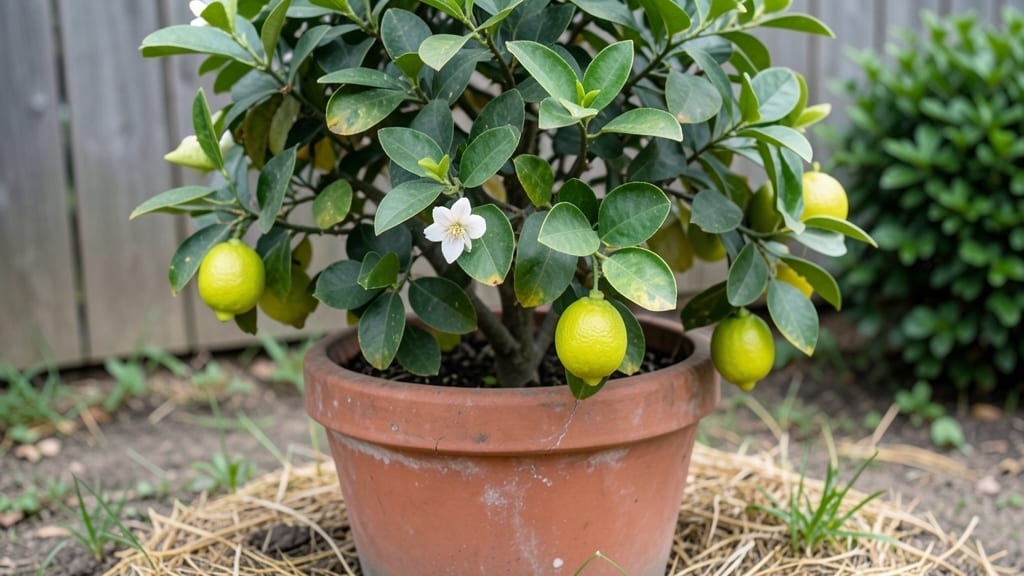
Growing a dwarf lemon tree that stays small means choosing the right variety and managing its size carefully—most mature at 6-8 feet tall with a spread of 3-6 feet, making them perfect for containers or small yards.
Imagine harvesting fresh, homegrown lemons without needing a sprawling backyard—dwarf lemon trees make this dream a reality with their compact size and high productivity.
Whether you're growing one in a pot on your patio or tucked into a sunny corner of your garden, their manageable stature doesn’t mean sacrificing fruit.
The key to keeping your 🍋 dwarf lemon tree small lies in pruning, container size, and sunlight. With the right care, you can maintain its size indefinitely while still enjoying a bountiful harvest. Below, I’ll break down how to control its growth and maximize your yield, even in limited space.
You’ll discover the best dwarf varieties for small spaces, how often to prune, and the ideal container size to keep it from outgrowing its home. Plus, I’ll share tips to ensure your tree thrives year-round, whether indoors or out.


Dwarf lemon tree size comparison: how big do they really get?
If you're dreaming of a lemon tree that fits your patio or kitchen countertop, dwarf varieties are the perfect solution. These trees stay compact while producing abundant fruit, but their exact size depends on the variety, pruning habits, and growing conditions.
Unlike their full-size counterparts that reach 15-20 feet, dwarf lemon trees typically mature between 3-10 feet tall and 3-6 feet wide—making them ideal for containers, small yards, or indoor growing. Understanding these dimensions helps you plan your space and care routine effectively.
The Meyer lemon tree, one of the most popular dwarf varieties, usually grows 6-8 feet tall with a 4-5 foot spread when planted in the ground. However, with regular pruning and container growing, you can keep it even smaller—sometimes as low as 3-4 feet tall.
Other varieties like the Improved Meyer or Lisbon lemon follow similar growth patterns, but their final size varies based on sunlight exposure, soil quality, and watering consistency.
For example, a well-pruned tree in a 15-gallon container may stay under 5 feet tall, while one left unchecked in the ground could reach its maximum height faster.
Here’s how the most common dwarf lemon tree varieties compare in terms of mature size, growth rate, and container requirements—helping you choose the best fit for your space and lifestyle.
When choosing a dwarf lemon tree, consider how its mature size will fit into your space. For example, the Ponderosa lemon is one of the smallest, making it perfect for balconies or small patios, while the Lisbon lemon can get taller and needs more room to spread.
If you’re growing in a container, always pick one 1-2 sizes larger than the tree’s current root ball to allow for future growth.
A 15-gallon pot is ideal for a Meyer lemon in its first few years, but you may need to upgrade to 25 gallons as it matures.
Another key factor affecting dwarf lemon tree size is pruning. Regular pruning—especially in late winter or early spring—helps maintain a compact shape, encourages better air circulation, and boosts fruit production.
Without pruning, even dwarf varieties can grow wildly and lose their neat, manageable form. I recommend light pruning every 3-4 months to remove dead or overcrowded branches and shape the tree as desired.
For container-grown trees, pruning is even more critical to prevent root-bound stress and stunted growth.
Sunlight plays a huge role in determining how big your dwarf lemon tree will get. These trees thrive in full sun (at least 6-8 hours daily), but insufficient light can lead to leggy growth, smaller leaves, and fewer lemons. If you’re growing indoors near a south-facing window, expect slower growth compared to outdoor conditions. In such cases, supplement
Best dwarf lemon tree varieties for small spaces and containers
If you love the idea of growing your own lemons but lack outdoor space, dwarf lemon trees are the perfect solution. These compact varieties thrive in containers, patios, or even sunny windowsills while still producing abundant fruit.
The key is choosing the right variety—some stay under 5 feet tall, while others reach 8 feet but remain narrow. Let’s explore the top 5 dwarf varieties that balance size, yield, and care ease for small-space gardeners.
When selecting a dwarf lemon tree, consider mature size, cold hardiness, and fruit quality. Some varieties, like 'Meyer', tolerate cooler climates better, while others, like 'Eureka', produce classic lemons but need more warmth.
Container size also matters—most dwarf lemons need at least a 15-gallon pot to prevent root binding, but some can thrive in 5-gallon containers with proper care.
For smallest spaces, the 'Improved Meyer' is my top pick—it stays under 7 feet tall, produces sweet, juicy lemons year-round, and handles cooler temps better than most.
If you’re in a warmer climate (Zones 9-11), the 'Eureka' delivers classic lemons but needs a larger container (20+ gallons) to support its height. Meanwhile, the 'Villafranca' is ideal for greenhouse growers due to its compact size and giant, flavorful fruit.
To keep your dwarf lemon tree small and productive, prune regularly to remove suckers and overgrown branches. Use a 15-20 gallon pot with drainage holes and repot every 2-3 years to refresh the soil.
Feed with a citrus-specific fertilizer every 4-6 weeks during growing months, and protect from frost if you live in Zone 8 or colder. With the right variety and care, you’ll enjoy homegrown lemons in just 2-3 years—no sprawling orchard required!
Pro tip: Place your container near a south-facing window or under a grow light if indoors. Most dwarf lemons need 6-8 hours of sunlight daily to thrive and produce fruit.
If you notice yellow leaves, it’s often a sign of overwatering or nutrient deficiency—adjust your care routine accordingly. 🌱
Ready to grow? Start with a healthy nursery-grown sapling and give it the love it deserves. Your tiny citrus tree will reward you with years of fresh lemons