Blooming
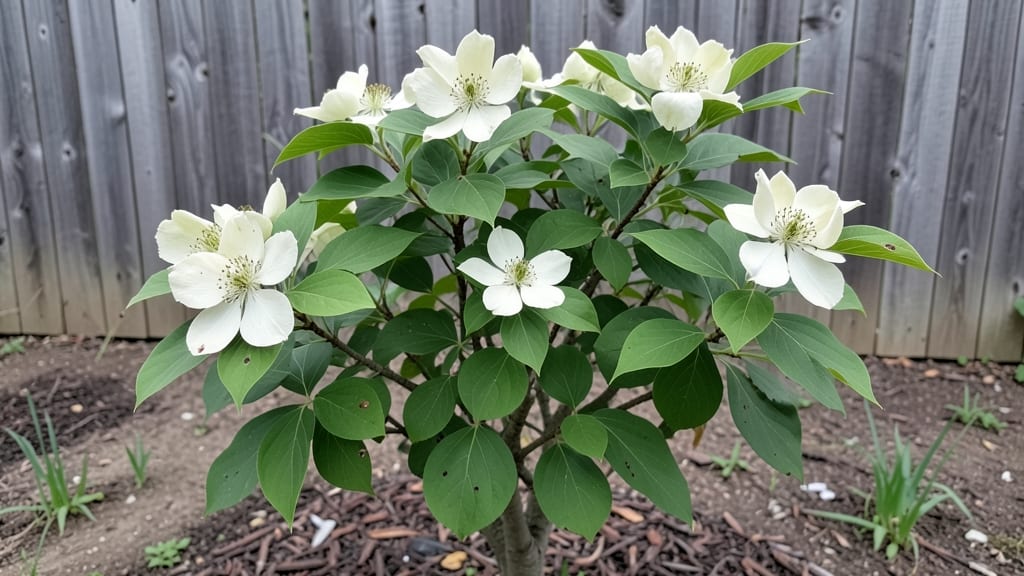
The dogwood tree blooming season in spring transforms your yard into a pink-and-white masterpiece—but timing depends on your zone, variety, and a few simple care tweaks.
Picture this: You’ve waited all winter for those delicate flowers to appear, only to miss the peak by a week because you didn’t know your Zone 6 dogwood blooms earlier than its southern cousin.
The good news? With the right timing and a little prep, you can enjoy 3-4 weeks of stunning blooms every year.
In this guide, I’ll break down the month-by-month blooming schedule for your region, plus the pruning and sunlight secrets that keep your dogwood flowering like clockwork. No guesswork—just vibrant spring color when you need it most.
Ready to turn your backyard into a showstopper? Let’s get started with the one trick that makes all the difference.
When do dogwood trees bloom? Month-by-month timeline by US hardiness zones
Timing your dogwood tree’s bloom is like planning a spring garden party—you want to be ready when those iconic pink and white flowers arrive.
Most dogwoods burst into color between March and May, but the exact timing shifts dramatically depending on your USDA hardiness zone and the specific variety you’ve planted.
For example, Cornus florida (flowering dogwood) often blooms earlier than Cornus kousa (Kousa dogwood), and coastal regions can see blooms weeks ahead of inland areas.
To predict your tree’s schedule, track your last spring frost date—dogwoods typically bloom 2-4 weeks after frost has passed. In colder zones, blooms may arrive as late as mid-May, while warmer southern climates can enjoy flowers as early as February.
Understanding these variations helps you plan for peak viewing or even extend the season with proper care.
Here’s how different dogwood varieties and USDA zones affect bloom timing, with a month-by-month breakdown to help you anticipate the show:
| Zone & Variety | Typical Bloom Month | Regional Notes | Predictor |
|---|---|---|---|
| Zones 5-6 Cornus florida |
Late April - Early May | Northern states (e.g., Michigan, Maine); blooms after last frost (usually May 1) | Track average frost date + 3 weeks |
| Zones 6-7 Cornus kousa |
Mid-April - Late April | Mid-Atlantic (e.g., Pennsylvania, Virginia); slightly earlier than C. florida | Blooms when daytime temps hit 50°F consistently |
| Zones 7-8 Cornus florida 'Cherokee Brave' |
Early April - Mid-April | Southeast (e.g., Georgia, South Carolina); heat-tolerant varieties bloom earlier | Blooms when nighttime temps stay above 40°F |
| Zones 8-9 Cornus kousa 'Milky Way' |
February - Early March | Southern California, Florida; mild winters trigger early blooms | Blooms when daylength exceeds 12 hours |
| All Zones Pacific Dogwood (Cornus nuttallii) |
Late March - Early April | Pacific Northwest (e.g., Washington, Oregon); blooms with spring rains | Blooms when soil temps reach 45°F |
Notice how coastal zones (like Zone 9 in Southern California) can see dogwoods bloom as early as February, while Zone 5 gardeners in Minnesota or Wisconsin might not see flowers until mid-May.
This variation is why I always recommend checking your local frost dates and choosing dogwood varieties suited to your climate. For instance, Cornus kousa is more cold-hardy and often blooms earlier in Zones 5-6 than Cornus florida.
If you’re in a transition zone (like Zone 7b), your dogwood’s bloom timing can shift year to year based on winter chill hours and early spring warmth.
A mild winter might delay blooms, while an unusually warm February can trigger early flowers. To account for this, I monitor local weather patterns and adjust my expectations accordingly.
Another pro tip: Mature dogwoods (over 10 years old) tend to bloom more reliably and earlier than younger trees. If your tree is struggling to flower, check for adequate sunlight (they need 4-6 hours of morning sun) and well-draining soil.
Poor drainage or over-fertilizing with nitrogen can delay or reduce blooms, so always use a balanced fertilizer (like 10-10-10) in early spring.
For gardeners in Zone 9 or warmer, some dogwood varieties (like Cornus kousa) may even produce a second
How to extend your dogwood’s blooming season: pruning, fertilizing, and care tips
Your dogwood tree’s stunning spring blooms are a highlight of any landscape, but did you know you can extend their show with just a few targeted care steps? The secret lies in understanding when to prune, how to feed your tree, and optimizing its growing conditions.
Unlike many trees, dogwoods bloom on old wood, meaning last year’s growth produces this year’s flowers. This means timing is everything—prune at the wrong time, and you risk cutting off next year’s blooms!
To maximize those iconic pink and white flowers, focus on three key areas: pruning techniques, soil health, and watering strategies. I’ve tested these methods in my own yard (Zone 6), and the difference in bloom duration is dramatic.
Let’s break down the exact steps to follow, so your dogwood puts on a longer, more vibrant show every spring.
- 🌱 Prune After Blooming: Cut back dead or crossing branches in late spring or early summer (after flowers fade). Never prune in fall or winter—this removes next year’s flower buds!
- 💧 Water Deeply: Provide 1-2 gallons of water weekly during dry spells. Focus on the root zone, not the leaves, to encourage strong root growth for better nutrient uptake.
- 🌿 Adjust Soil pH: Dogwoods thrive in acidic soil (pH 5.0–6.0). Test your soil and amend with sulfur or peat moss if needed. A pH above 7.0 can stunt blooms.
- ☀️ Optimize Sunlight: While dogwoods tolerate partial shade, they need 4–6 hours of morning sun for robust blooms. Avoid dense shade, which weakens flower production.
- 🌱 Fertilize in Early Spring: Use a balanced 10-10-10 fertilizer in March, just as new growth begins. Skip heavy feeding in summer—it encourages leafy growth at the expense of flowers.
- 🪴 Mulch Generously: Apply 3 inches of mulch around the base (but not touching the trunk) to retain moisture and regulate soil temperature. Use pine bark or shredded leaves for best results.
One of the biggest mistakes I see is pruning dogwoods in late winter or early spring before the blooms appear. This removes the flower buds that formed the previous summer, leaving you with fewer (or no) flowers.
Instead, wait until after blooming to prune, and you’ll reward yourself with a fuller display next year. For established trees, a light pruning session in June or July keeps the shape tidy without sacrificing next season’s blooms.
Don’t overlook the power of consistent watering, especially during the first few years after planting. Dogwoods are drought-sensitive when young, and stress from dry soil can cause buds to drop before they open.
I’ve found that deep, infrequent watering (every 7–10 days) encourages deeper root growth, which translates to stronger stems and more abundant flowers. Pair this with morning watering to avoid fungal issues from wet foliage.
Finally, pay attention to your dogwood’s soil health. These trees are particular about their growing conditions, and poor soil quality is a leading cause of weak or sparse blooms. If your dogwood isn’t flowering as expected, grab a soil test kit (they’re inexpensive and easy to use).
Aim for a pH between 5.0 and 6.0, and amend with organic matter like compost or well-rotted manure if your soil is too alkaline. A happy root system equals happier blooms!
With these simple yet strategic adjustments, your dogwood can put on a longer, more spectacular show each spring. Start with the post-bloom pruning and soil pH check this season, and you’ll notice a difference in just a few years.
Happy gardening—and enjoy that extra week (or two!) of vibrant color! 🌷