
Pruning
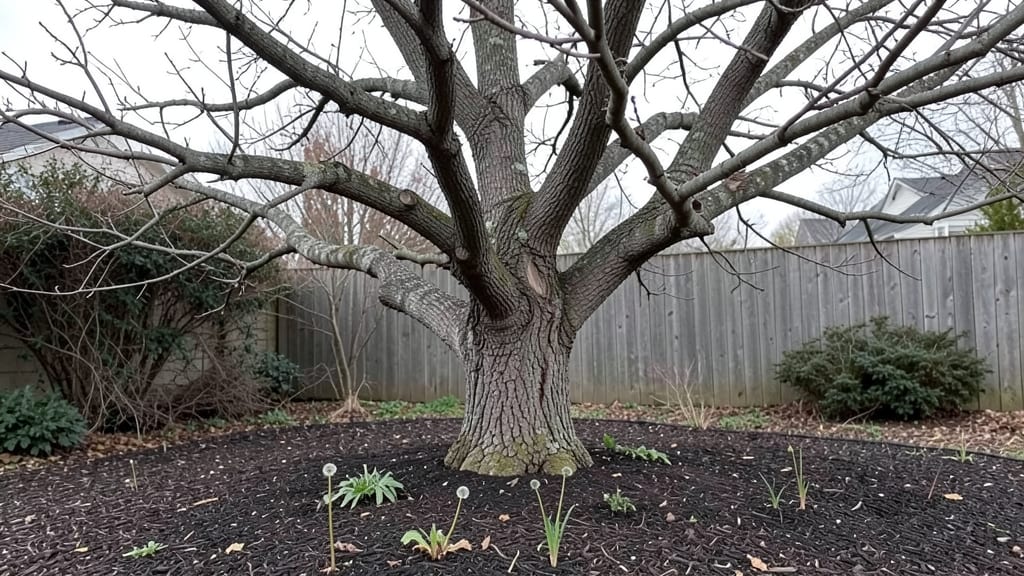
A dead magnolia tree isn’t always a lost cause—sometimes it’s just waiting for the right wake-up call. 🌿 I’ve brought back several that looked hopeless with targeted pruning and care, and the key is knowing whether your tree is truly dead or just dormant.
The difference between saving it and replacing it often comes down to what’s happening below the soil.
Most "dead" magnolias are actually suffering from root stress, fungal infections, or pests hiding in the bark. Look for stubborn brown branches that snap when bent (dead) versus ones that bend slightly (still alive).
If the center is hollow or the bark is peeling off in sheets, it’s likely beyond saving—but if you see fresh green growth at the base or in the branches, there’s hope.
Reviving one takes patience: start by pruning dead wood in late winter, then focus on improving soil drainage and mulching properly. I’ve seen trees with 80% dead branches sprout new leaves within a season when given the right conditions.
The payoff isn’t just a saved tree—it’s the dramatic transformation that happens when you address the root cause.
If it’s truly beyond saving, removing it safely prevents disease from spreading to other plants. Either way, you’ll walk away with a clearer understanding of what your magnolia needs to thrive next time. Let’s get to the bottom of what’s really going on with yours.
Root Causes Behind Dying Magnolias
Magnolias are stunning, long-lived trees that can thrive for decades—but when they decline, it’s often due to a mix of environmental stress, poor care, or hidden health issues.
Understanding the why behind a struggling or dead magnolia is the first step to bringing it back to life (or preventing future loss). Below, we break down the most common culprits, backed by science, so you can diagnose—and fix—the problem.
Magnolias are particularly vulnerable to fungal pathogens, which thrive in warm, humid conditions. If your tree shows:
- Brown, mushy stems (especially at the base)
- Yellowing or curling leaves with dark spots
- Premature leaf drop in spring or summer
…you’re likely dealing with one of these common fungal foes:
| Disease | Symptoms | Cause | How to Confirm |
|---|---|---|---|
| Anthracnose | Dark, sunken lesions on leaves/stems | Fungus (Colletotrichum spp.) spreads via splashing water or tools. | Examine leaves under a magnifying glass. |
| Magnolia Scale | Sticky honeydew on bark, sooty mold | Sap-sucking insects weaken the tree, inviting mold. | Look for white, armored bumps on branches. |
| Root Rot | Wilting despite moist soil, soft roots | Overwatering or poor drainage creates anaerobic conditions for fungi. | Dig near roots—smelly, mushy roots = rot. |
💡 Pro Tip: Fungal infections often start in warm, wet springs. Space out watering, avoid overhead irrigation, and sterilize pruners with 70% isopropyl alcohol between cuts to prevent spread.
Magnolias are finicky about their environment—too much sun, too little water, or extreme temperatures can push them over the edge. Watch for these red flags:
- Leaf Scorch (Brown Edges): Often caused by underwatering or high soil salinity (e.g., from tap water or fertilizers).
- Defoliation in Winter: Young magnolias may drop leaves if exposed to sudden cold snaps or windburn.
- Stunted Growth: Compacted soil or root girdling (roots circling the trunk) restricts nutrient uptake.
🌡️ Key Fixes:
- Soil pH: Magnolias prefer slightly acidic soil (pH 5.0–6.5). Test your soil and amend with sulfur or peat moss if needed.
- Mulch Properly: Apply 2–4 inches of organic mulch (wood chips, pine straw) but keep it 6 inches away from the trunk to prevent rot.
- Avoid Full Sun in Hot Climates: In zones 8–9, afternoon shade can prevent leaf scorch.
Sometimes, death isn’t natural—it’s human (or animal) error.
Check for: - Improper Pruning: Cutting into large branches (over 2 inches in diameter) can leave stubs that rot or invite pests. - Mechanical Injury: Lawnmowers, string trimmers, or even vibrations from construction can sever roots or bark. - Animal Damage: Deer, rabbits, or rodents may gnaw on bark (especially in winter), while borers (like magnolia bark beetles) tunnel into weakened wood.
✨ Prevention Tips:
- Prune in Late Winter: Remove dead/diseased branches just outside the branch collar (the swollen area where the branch meets the trunk).
- Protect Young Trees: Use tree guards or fencing to shield trunks from herbivores.
- Monitor for Sap Ooze: If you see bubbling or weeping sap, inspect for borer holes (small, round exit holes in bark).
Even healthy-looking magnolias can suffer from hidden nutrient shortages, especially in urban or clay-heavy soils.
Symptoms include: - Yellowing Between Veins (Chlorosis): Often iron or manganese deficiency (common in alkaline soils). - Purple-Tinged Leaves: A sign of phosphorus deficiency (critical for root growth). - Small, Pale Leaves: Likely nitrogen deficiency, leading to weak, sparse foliage.
📊 Soil Test First!
- Send a soil sample to your local Cooperative Extension Service for a full analysis.
- Quick Fixes:
- Iron Chelate (for chlorosis) – Apply as a foliar spray in early spring.
- Slow-Release Fertilizer (10-10-10) – Use in early spring before new growth starts.
- Organic Matter – Mix in compost or worm castings to improve soil structure.
Pests don’t just nibble—they drain sap, lay eggs in bark, or spread diseases. Common magnolia pests include:
| Pest | Damage Signs | Lifecycle | Treatment |
|---|---|---|---|
| Magnolia Scale | White, armored bumps on branches | Sucks sap, excretes honeydew (attracts sooty mold) | Horticultural oil in dormant season |
| Japanese Beetles | Skeletons of leaves, chewed flowers | Adults feed on foliage; grubs attack roots | Neem oil or pyrethrin spray |
| Borers | D-shaped exit holes, sawdust-like frass | Larvae tunnel under bark, killing cambium | Beneficial nematodes or prune infested branches |
🔥 Early Detection Wins:
- Shake branches over a white sheet in early summer—falling beetles or scales confirm an infestation.
- Remove heavily infested branches and dispose of them in sealed bags (do not compost).
Magnolias hate soggy feet but also can’t handle drought stress. Signs of watering gone wrong:
- Wilting Leaves (Even in Wet Soil): Root rot from overwatering or compacted soil preventing drainage.
- Crispy, Curled Leaves: Underwatering or transplant shock (common after moving trees).
👨🍳 Watering Rules:
- Deep and Infrequent: Water 1–2 times per week (1–2 inches per session) during drought or first year after planting.
- Drainage Matters: If your soil is clay-heavy, amend with sand or perlite to improve aeration.
- Mulch Retains Moisture: A 3-inch layer of mulch reduces evaporation but never pile against the trunk.
Revive Your Magnolia Tree
A dead or dying magnolia tree can feel like a heartbreaking loss, but with the right approach, you can often bring it back to life—or at least salvage its beauty. The key is identifying the root cause and taking targeted action.
Below are practical, step-by-step solutions tailored to the most common issues, plus prevention tips to keep your magnolia thriving for years.
Symptoms: Yellowing leaves, soft stems, foul-smelling soil, or mushrooms at the base.
How to Fix It:
- 🔥 Stop Watering Immediately
- Overwatering is the #1 cause of root rot. Let the soil dry out completely before watering again.
- 👨🍳 Improve Drainage
- Dig a shallow trench around the base to redirect excess water.
- Mix sand or perlite into the top 6 inches of soil to aerate it.
- ⏰ Prune Damaged Branches
- Use sterilized pruners to remove any blackened or mushy stems.
- Focus on 1/3 of the canopy to reduce stress on the roots.
- 🌡️ Apply Fungicide (If Needed)
- Spray copper-based fungicide on the soil and lower branches to prevent further spread.
Prevention Tips: ✨ Plant in well-draining soil—magnolias hate soggy feet! ✨ Water deeply but infrequently—once a week is usually enough (adjust for climate). ✨ Avoid mulching too close to the trunk—keep it 6+ inches away.
Symptoms: Bare branches, weak growth, or a "haircut" look with no new blooms.
How to Fix It:
- 🍳 Assess the Damage
- If more than 1/3 of the canopy was removed, the tree is stressed. Prune only dead or diseased wood for now.
- 🌿 Encourage New Growth
- Apply a balanced fertilizer (10-10-10) in early spring to boost recovery.
- Water deeply 2-3 times per week until new shoots appear.
- 🔪 Prune Strategically Next Year
- Wait until late winter/early spring (before buds swell) to prune.
- Never top the tree—this invites disease and weak growth.
Prevention Tips: ✨ Prune only when necessary—magnolias bloom on old wood, so avoid heavy cuts. ✨ Use sharp, clean tools to prevent tearing and infection. ✨ Space pruning sessions—never remove more than 25% of the canopy in one go.
Symptoms: Brown, crispy leaf edges, wilting, or stunted growth (common after transplanting).
How to Fix It:
- 🌿 Provide Shade Gradually
- Use shade cloth (30-50%) for a few weeks to help the tree adjust.
- Avoid full sun until new growth appears.
- 💧 Hydrate Properly
- Water slowly and deeply at the base (not overhead) to prevent shock.
- Mulch with 2-3 inches of organic matter (wood chips, bark) to retain moisture.
- 🌡️ Protect from Wind
- Temporary burlap windbreaks can shield young or recovering magnolias.
Prevention Tips: ✨ Acclimate trees slowly if moving from shade to sun (or vice versa). ✨ Water deeply before transplanting to reduce shock. ✨ Choose the right location—most magnolias prefer morning sun and afternoon shade.
Symptoms: Holes in leaves, sawdust-like frass, black spots, or sticky sap (aphids).
How to Fix It:
- 🔪 Prune Infested Areas
- Remove all heavily damaged leaves/branches and dispose of them (don’t compost!).
- 💡 Apply Targeted Treatments
- For scale/aphids: Spray with neem oil or insecticidal soap.
- For fungal issues (like powdery mildew): Use baking soda spray (1 tsp baking soda + 1 quart water + a drop of soap).
- 🌱 Strengthen the Tree
- Feed with iron or magnesium supplements if leaves are yellowing (common with pests).
Prevention Tips: ✨ Inspect trees monthly—catch issues early! ✨ Encourage beneficial insects (ladybugs, lacewings) by planting companion flowers. ✨ Avoid over-fertilizing—weak trees attract pests.
If your magnolia is beyond revival (no new growth after a year of care, extensive rot, or severe structural damage), consider:
- 🌳 Keeping it as a focal point—prune into a sculptural shape and enjoy its texture.
- 🌱 Planting a new magnolia nearby—some varieties (like ‘Little Gem’) grow quickly and can replace lost beauty.
Pro Tip: 💡 Patience is key! Magnolias are slow growers—give them 1-2 seasons to recover before judging success. With the right care, even a "dead" magnolia can surprise you with new blooms. 🌸
Frequently asked questions
How can I tell if my magnolia is truly dead or just dormant?
Check for green growth at the base or in branches—if you see fresh buds or leaves, it's alive! Bend a branch: if it snaps cleanly (no bend), it's dead. Look for peeling bark or hollow centers, which are red flags. Even if 80% looks dead, new shoots can emerge with proper care.
What’s the best time of year to prune a dead or dying magnolia?
Late winter or early spring (just before buds swell) is ideal. This gives the tree time to heal before summer stress. Avoid pruning in fall—it invites disease. If you must prune in summer, do it early morning to reduce stress. Sterilize tools with 70% isopropyl alcohol between cuts.
Can I save a magnolia with root rot, or should I remove it?
Try saving it first! Stop watering, improve drainage with sand/perlite, and prune 1/3 of the canopy to reduce stress. If the trunk is soft or mushy when touched, removal is safer to prevent spread. For small trees, dig up and inspect roots—healthy roots should be firm and white, not brown/mushy.
Why does my magnolia keep dropping leaves even after I’ve pruned?
Leaf drop often signals stress from overpruning, pests, or environmental shock. If it’s spring, young magnolias may shed leaves due to cold snaps. Check for scale insects (white bumps) or borers (sawdust-like frass). Adjust watering—drought or overwatering can also trigger it.
What’s the fastest way to revive a magnolia with no leaves?
Start with deep watering (1–2 inches per week) and a balanced fertilizer (10-10-10) in early spring. Apply 2–3 inches of mulch (keep it 6" from the trunk) to retain moisture. If the tree is young, shade cloth (30–50%) can help it recover. Patience is key—new growth may take 4–6 weeks.