
Pruning
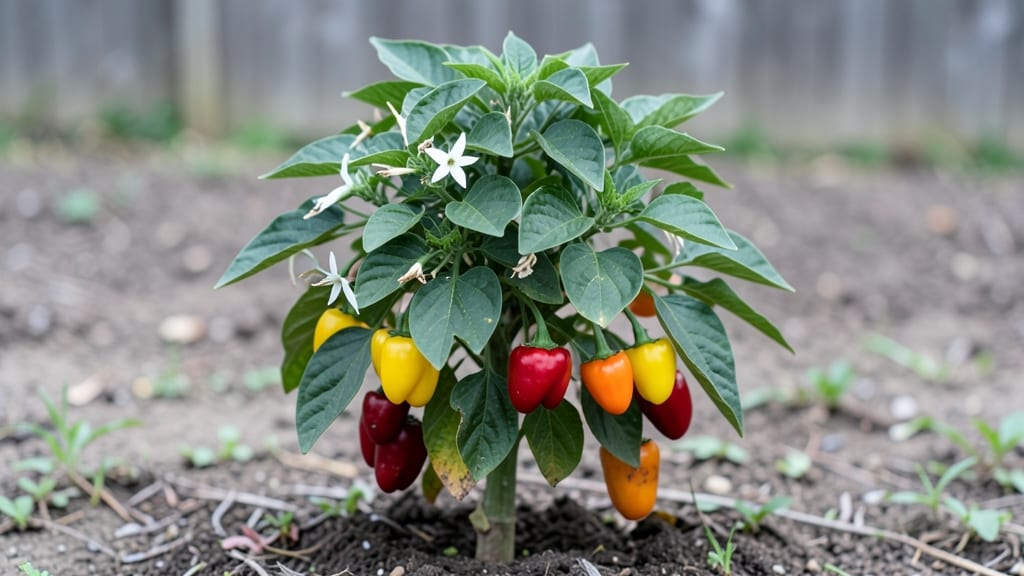
Transforming your Christmas tree pepper into a lush, productive bush isn’t just about patience—it’s about the right cuts at the right time. 🌿 I’ve pruned dozens of these striking peppers, and the difference between a leggy plant with a few fruits and a dense, ornamental bush packed with peppers comes down to timing and technique.
The key starts with light and airflow—Christmas tree peppers thrive in full sun (6+ hours daily) and well-draining soil with a slightly acidic pH (6.0-6.8). Prune in early spring or after harvests to encourage branching, always cutting just above a leaf node.
Overcrowded stems? Snip the inner growth to let sunlight reach the center—this is where the bushiest harvests begin.
You’ll notice new growth within 2-3 weeks of proper pruning, with thicker stems and more fruit clusters. The ornamental value skyrockets too: vibrant foliage and cascading peppers create a showstopping display that’s as decorative as it is productive.
Just watch for aphids—they love tender new growth—so spray with neem oil if you spot sticky leaves.
This method works for container or in-ground peppers, and the same principles apply whether you’re growing in Zone 7-10. The payoff? A pepper plant that’s both a garden star and a harvest hero. Let’s get those shears sharp and start shaping!
📚 In This Guide
- What you need
- Instructions
- Tips and common mistakes
- Wrapping up and next steps
What you need
- ● Pruning shears: Sharp, bypass-style shears (for clean cuts). Size: 6–8 inches for precision.
- ● Garden gloves: Heavy-duty, nitrile-coated (to protect from thorns and sap). Quantity: 1 pair.
- ● Disinfectant: 70% isopropyl alcohol or rubbing alcohol (to sterilize tools between cuts).
- ○ Pruning saw (optional): For thicker stems (if your pepper plant has woody growth). Size: 8-inch blade.
- ● Sharpie marker or labels: For tagging pruned branches (if saving for grafting or propagation).
- ● Bucket or tray: To collect pruned branches (for compost or propagation). Size: 5+ gallons.
- ● Hose or spray bottle: For rinsing tools and cleaning sap off hands.
- ● Sun protection: Hat, sunglasses, and sunscreen (SPF 30+) (if pruning outdoors in bright sun).
- ● 🔥 Time it right: Prune in early spring (before flowering) or late winter for best regrowth.
- ● ✨ Sterilize tools: Dip shears in alcohol before and after each plant to prevent disease spread.
- ● 🌡️ Work during cool hours: Avoid pruning in peak sun (10 AM–4 PM) to reduce plant stress.
Step-by-Step pruning guide for bushier Christmas tree peppers
Here’s how to transform leggy pepper plants into productive, compact bushes—just like the pros do.
🌱 Step 1: Identify and Prepare Your Pruning Tools
Use only sterilized pruning shears or sharp scissors to make clean cuts. I soak my tools in a 1:10 bleach-to-water solution for 10 minutes before and after pruning to prevent disease spread. Dull blades tear stems, inviting infections that can kill your plant.
Wear gloves—pepper plants have small hairs that irritate skin. Choose a bright, dry morning for pruning. The first true leaves (the second set after the initial seed leaves) are your guide: everything below them is fair game for removal.
✂️ Step 2: Remove Lower Leaves and Suckers
Start by stripping all leaves from the bottom 6 inches of the stem. This improves airflow and prevents soil-borne diseases. Use your thumb and forefinger to gently pinch off leaves rather than cutting—it’s faster and less traumatic for the plant.
Next, hunt for suckers (those small shoots growing in the leaf axils where branches meet the main stem). These compete with your main branches for energy. Snip them off at the base with a quick, decisive cut—no hesitation. You’ll see new side shoots form in their place within 2-3 weeks.
☀️ Step 3: Prune for a Balanced Canopy
Step back and assess your plant’s shape. Aim for a pyramidal form, with branches spaced 6-8 inches apart along the main stem. Cut back any overly long branches by one-third to encourage bushier growth. Focus on the outermost leaves—these get the most light and shade the interior.
If your plant is lopsided, prune more aggressively on the sunniest side. Peppers grow toward light, so this forces a more even shape. After pruning, rotate the pot a quarter turn daily to prevent leaning. You’ll notice new growth within 7-10 days.
💧 Step 4: Fertilize and Water After Pruning
Mix 1 teaspoon of balanced 10-10-10 fertilizer into the top 2 inches of soil to support new growth. Water deeply until the soil is moist to a depth of 6 inches—this helps the plant recover faster. Avoid wetting the leaves to prevent fungal issues.
For the next 10 days, keep the soil consistently moist but not soggy. You’ll see new leaf growth at the pruned nodes within 2 weeks. This is your reward for the work—thicker stems and more branching mean more peppers later in the season.
⏰ Step 5: Monitor and Repeat Monthly
Check your plant weekly for new suckers or leggy growth. Repeat the pruning process every 4-6 weeks during the growing season. In late summer, reduce pruning to allow energy to focus on pepper production rather than foliage.
By mid-fall, your Christmas Tree Pepper will look like a lush, productive bush instead of a single stem with a few peppers. The key is consistency—prune early, prune often, and always follow up with water and fertilizer. Your harvest will thank you.
Tips & tricks for perfect Christmas tree pepper pruning
These game-changing techniques will transform your leggy Christmas Tree Peppers into productive, bushy plants that yield more peppers than you've ever seen.
The Sterilization Secret: That 10-minute bleach soak in Step 1 isn't just about clean tools—it's a disease prevention power move. I learned this the hard way after losing two plants to bacterial spot from contaminated shears. For extra protection, wipe down tools with rubbing alcohol after each use, especially if you're pruning multiple plants. The small effort prevents devastating infections that can wipe out your entire harvest.
Pruning Precision: When cutting back branches by one-third in Step 3, make your cuts just above a leaf node (where leaves attach to the stem). This is where new growth will emerge. Avoid cutting into the main stem—these cuts won't heal properly and create entry points for pathogens. Think of it like giving your plant a haircut where every snip encourages new growth at strategic points.
Light Management: The daily quarter-turn rotation in Step 3 forces your plant to grow more evenly. Here's the thing: peppers naturally grow toward the light source. By rotating, you're essentially tricking the plant into creating a more balanced shape. I've seen plants that were completely lopsided become perfectly symmetrical within just two weeks of consistent rotation. It's like giving your plant a daily light therapy session.
Post-Pruning Care: Those 10 days of consistent moisture in Step 4 are critical for recovery. After pruning, your plant is essentially in shock—it's lost some of its foliage and needs energy to regenerate. I've found that using a moisture meter helps gauge exactly when to water. Aim for soil that's like a wrung-out sponge—not soggy, but holding moisture at 6 inches deep. This prevents both underwatering stress and root rot from overwatering.
Pro Tips for Christmas Tree Pepper
- These game-changing techniques will transform your leggy Christmas Tree Peppers into productive, bushy plants that yield more peppers than you've ever seen.
- The Sterilization Secret: That 10-minute bleach soak in Step 1 isn't just about clean tools—it's a disease prevention power move.
- Pruning Precision: When cutting back branches by one-third in Step 3, make your cuts just above a leaf node (where leaves attach to the stem).
Frequently asked questions
Got questions about growing and pruning your Christmas tree pepper? You’re in the right place! Here are answers to the most common queries to help you cultivate a thriving, bushy plant with a bountiful harvest.
When is the best time to prune my Christmas tree pepper for maximum bushiness?
Prune your Christmas tree pepper early and often—start when the plant is 6–8 inches tall and has at least 4–5 leaves. Focus on pinching off the top growth to encourage side shoots. For best results, prune in the morning on a dry day to allow wounds to heal quickly. Avoid heavy pruning late in the season, as it may delay fruiting.
How long does it take to see results from pruning my Christmas tree pepper?
You’ll typically see new side shoots sprouting within 1–2 weeks of pruning. For a fuller, bushier plant, repeat the process every 2–3 weeks during the growing season (spring to early summer). Patience is key—consistent pruning yields the best results over time!
Will pruning affect the size or flavor of my Christmas tree peppers?
Pruning doesn’t reduce pepper size or alter flavor—it actually enhances both! By promoting more branches, you’ll get more peppers per plant, and the extra airflow from pruning helps prevent disease. Just avoid over-pruning, which can stress the plant and lead to fewer fruits.
What should I do if my Christmas tree pepper isn’t branching after pruning?
If your plant isn’t responding to pruning, check these common issues:
- Light deficiency: Ensure it gets 6–8 hours of sunlight daily.
- Overcrowding: Space plants 18–24 inches apart for airflow.
- Nutrient imbalance: Use a balanced fertilizer (like 10-10-10) every 4–6 weeks.
- Stress from pruning: Avoid cutting too close to the stem—leave a small leaf or bud.
Can I still prune my Christmas tree pepper if it’s already flowering or fruiting?
Yes, but lightly! Once flowers appear, focus on pruning only leggy or unproductive stems. Avoid heavy cuts, as this can reduce fruit production. If your plant is already laden with peppers, skip pruning until the next growing season to avoid stressing it further.
Wrapping up and next steps
Growing a lush, Christmas tree pepper plant is all about patience, precision, and a little love! By mastering the art of pruning—like pinching back new growth, removing suckers, and thinning crowded stems—you’ll unlock a bushier plant with more vibrant peppers and better air circulation.
Whether you’re a seasoned gardener or a curious beginner, these techniques will set you up for a bountiful harvest that’ll make your taste buds dance.
Now that you’re armed with the know-how, roll up your sleeves and get pruning! 🌱 Grab your shears, head to your garden, and watch your Christmas tree pepper transform into a thriving, pepper-producing powerhouse. Happy growing—and may your harvest be merry and bright!