
Trees
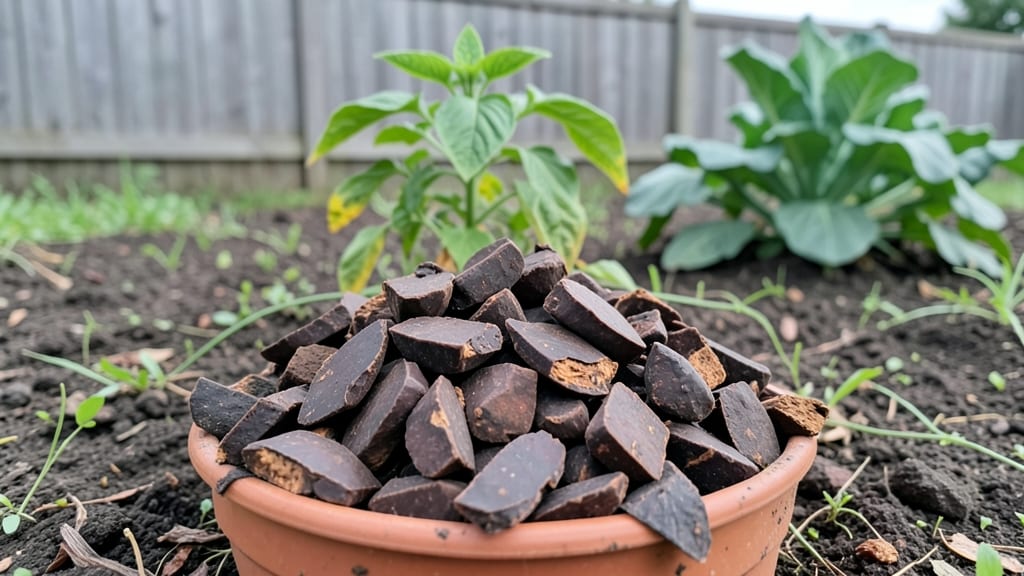
Chocolate from tree begins with cacao pods growing directly on the Theobroma cacao tree, which must be hand-harvested when ripe, cracked open to reveal bitter seeds inside. These seeds undergo fermentation, drying, and roasting before being processed into the rich cocoa paste that forms the foundation of all chocolate.
The journey from tree to chocolate bar starts in tropical climates where the cacao tree thrives under shade and consistent warmth. 🌿 Once the pods ripen—turning from green to yellow or orange—they're carefully hand-picked to preserve quality.
Inside, the white, bitter seeds need proper fermentation (typically 5-7 days) to develop their signature chocolatey flavors before drying and roasting. This multi-stage process transforms raw cacao into the versatile paste we recognize in every chocolate product.
What's fascinating is how these traditional methods still dominate today, even as industrial techniques emerge. Small-scale farmers often use wooden fermentation boxes or banana leaves, while larger operations might employ mechanical dryers.
The roasting step, in particular, is where the magic happens—it's what turns those bitter seeds into the aromatic base for all chocolate varieties.
💡 In This Article
- Cacao Tree Growth and Pod Development
- Step-by-Step Cacao Seed Processing for Chocolate
Cacao tree growth and pod development
The Theobroma cacao tree thrives exclusively in tropical regions within 20 degrees north or south of the equator, where temperatures hover between 77-86°F year-round.
These evergreen trees grow best under 50-80% shade from taller canopy trees, which protects their delicate leaves from direct sunlight while maintaining humidity levels above 60%.
The tree's biology is fascinating—it produces both male and female flowers on the same trunk, with pods developing directly from the female flowers after successful pollination by tiny midges.
Pod development takes approximately 5-6 months from flowering to maturity, with each pod containing 20-50 seeds embedded in a sweet, white pulp.
The pods themselves are the tree's most dramatic feature, growing in various shapes (oval, heart-shaped, or even elongated) and colors when ripe—ranging from vibrant yellow to deep red or even purple.
Farmers rely on visual cues like texture changes (from hard to slightly soft) and color shifts to determine ripeness, as unripe pods are bitter and underdeveloped.
Hand-harvesting is essential because cacao pods are delicate and can bruise easily when machine-picked. The process requires careful timing—pods must be fully ripe but not overripe (which attracts pests). A single tree can yield 10-30 pods annually, with peak production occurring between 5-10 years of age.
Environmental factors like wind patterns and rainfall distribution significantly impact yield, as excessive rain can cause pod rot while drought stress reduces flowering.
What most people don't realize is how the tree's growth cycle mirrors chocolate's seasonal availability. The two main harvest seasons occur when pods ripen twice yearly in optimal conditions, creating natural production peaks.
Shade requirements are non-negotiable—the tree's leaves contain photosynthetic pigments that burn under direct sunlight, which is why traditional cacao farms often interplant with banana or coconut trees to create the perfect microclimate. 🌿
The pod's internal structure is equally remarkable. Beneath the tough outer shell lies a 1-inch-thick pulp layer surrounding the seeds, which contains natural sugars that ferment alongside the seeds during processing.
This symbiotic relationship between pulp and seeds is crucial—without the pulp's sugars, the fermentation process wouldn't develop the complex flavors we associate with quality chocolate.
The seeds themselves are initially bitter and astringent, containing high levels of theobromine (a compound also found in tea) that requires processing to become palatable.
Interestingly, cacao trees are also sensitive to soil pH, preferring slightly acidic conditions between 5.0-6.5. Farmers often enrich the soil with organic matter like composted leaves or banana stems to maintain fertility.
The tree's shallow root system makes it vulnerable to erosion, which is why sustainable farming practices—like contour planting on hillsides—are critical for long-term productivity. This delicate balance of environmental factors explains why 70% of the world's cacao comes from just 5 countries (Ivory Coast, Ghana, Indonesia, Nigeria, and Cameroon).