
Blooming
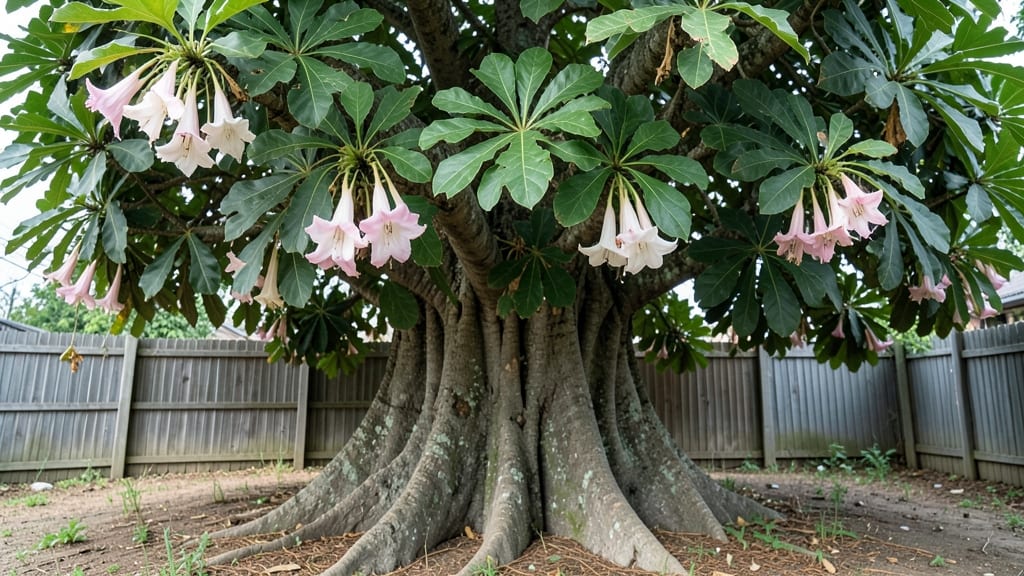
The ceiba tree bloom is a breathtaking spectacle that transforms a tropical canopy into a starry night sky of white and pink. I still remember the first time I saw one in my backyard—its massive, fragrant flowers emerging from bare branches like magic.
This tree doesn’t just bloom; it puts on a show that lasts for weeks, drawing hummingbirds and bats from miles around.
Here’s the thing—ceiba trees (Ceiba pentandra) only thrive in warm climates, needing full sun and well-draining soil to produce those stunning flowers. They bloom in three distinct stages: first the buds form in late winter, then the flowers open in spring, and finally, the seed pods develop by summer.
If you’re growing one, consistency is key—water deeply but infrequently, and avoid heavy pruning during bloom season.
With the right care, you’ll see your ceiba tree covered in flowers by spring, creating a fragrant, living canopy that outshines anything in your neighborhood. The blooms attract pollinators, and the tree’s deep roots even improve soil quality over time.
Just be ready for the cleanup—those seed pods can be messy, but they’re worth it.
Whether you’re in a tropical zone or a warm microclimate, this tree rewards patience. Start with a young sapling, give it space to grow, and watch as it becomes the centerpiece of your garden. The first bloom is always the sweetest—just ask the hummingbirds.
📚 In This Guide
- What you need
- Instructions
- Tips and common mistakes
- Wrapping up and next steps
What you need
- ● Ceiba tree (or access to one): A mature Ceiba pentandra (kapok tree) in bloom. Look for trees in tropical regions like Central/South America, Southeast Asia, or Florida.
- ○ Camera or smartphone: A DSLR with a macro lens (optional but ideal) or a high-resolution smartphone (e.g., iPhone 15 Pro or Google Pixel 8).
- ● Tripod: Lightweight but sturdy (e.g., Joby GorillaPod for flexibility).
- ● Notebook/journal: For tracking bloom stages (dates, colors, weather notes).
- ● Binoculars (8x42 magnification): To observe details from a distance without disturbing the tree.
- ● Field guide or app: iNaturalist or a printed guide to identify ceiba tree bloom stages (bud, flower, seed pod).
- ● Measuring tape (5–10 ft): To record tree height/diameter changes during growth.
- ● Weather-resistant bag: For storing gear during tropical downpours.
- ● Drone (with FAA certification): For aerial shots of the canopy (e.g., DJI Mini 4 Pro).
- ● Portable LED light panel: If photographing early buds in low light.
- ● Local guide: Knowledgeable about ceiba tree bloom cycles in your region.
- ● Waterproof camera case: For rainy-season shoots.
Instructions for observing and encouraging ceiba tree bloom
The ceiba tree’s spectacular bloom cycle unfolds in three distinct stages, each with unique care needs.
Recognize the Pre-Bloom Stage
The first stage begins when your ceiba tree develops its iconic brown, spiky seed pods—a sign it’s preparing for bloom. These pods appear in late winter or early spring, signaling the tree is storing energy for its flowering phase. At this point, focus on watering deeply once a week to support root development, especially if your tree is in a dry climate. You’ll know the soil needs water when the top 6 inches feel dry to the touch.
Ceiba trees thrive in full sun, so ensure your tree receives at least 6-8 hours of direct sunlight daily. If your tree is in a container, rotate it quarter-turn weekly to promote even growth. During this stage, avoid heavy pruning—prune only to remove dead or damaged branches. The tree’s energy is directed toward root and pod development, not new foliage.
Support the Blooming Stage
Once the seed pods begin to split open, revealing fuzzy white fibers, your ceiba tree is entering its blooming stage. This typically occurs in late spring or early summer, depending on your climate. The tree will produce striking pink or white flowers that bloom at night and fade by morning. To encourage vibrant blooms, maintain consistent moisture—water twice a week if temperatures exceed 85°F.
During this stage, the tree is highly sensitive to stress. Avoid fertilizing, as it can disrupt the natural bloom cycle. Instead, focus on light pruning to improve airflow around the canopy. Remove any branches that rub together, as this can damage the delicate flowers. If your tree is in a windy area, consider providing temporary support to prevent branch breakage.
Care for Post-Bloom and Seed Development
After the flowers fade, the tree will produce large, woody seed pods that take 6-12 months to mature. This is the post-bloom stage, where the tree’s energy shifts toward seed development. Reduce watering to once every 10-14 days unless your region experiences extreme heat. Overwatering at this stage can lead to root rot, which weakens the tree for the next bloom cycle.
Monitor the seed pods for signs of pests, such as aphids or scale insects, which can weaken the tree. If you notice infestations, treat them with neem oil or insecticidal soap applied in the early morning or late evening. Avoid heavy-handed pruning—only remove dead or diseased branches. The tree’s natural cycle includes shedding older leaves to conserve energy for future blooms.
Prepare for the Next Bloom Cycle
As the seed pods mature and begin to split open, your ceiba tree is signaling the start of a new cycle. This is the time to feed the tree with a balanced, slow-release fertilizer to replenish nutrients. Apply fertilizer in early fall, when temperatures begin to drop. Mulch the base of the tree with 2-3 inches of organic mulch to retain moisture and regulate soil temperature.
Ceiba trees are drought-tolerant once established, but consistent care ensures they bloom reliably. Prune lightly in late winter to shape the tree and remove any crossing branches that could hinder airflow. If your tree is in a container, repot it every 2-3 years to refresh the soil. With proper care, your ceiba tree will reward you with spectacular blooms year after year.
Tips & tricks for encouraging ceiba tree bloom
Understanding the ceiba tree’s natural rhythm is key to coaxing those breathtaking blooms. These insights will help you navigate each stage with confidence and precision.
Timing is Everything: The ceiba tree’s bloom cycle is deeply tied to seasonal changes, so pay close attention to your local climate. In Step 1, when you notice those distinctive brown seed pods appearing in late winter or early spring, that’s your cue to adjust your watering schedule to once a week. If you’re in a particularly dry climate, check the top 6 inches of soil daily—it should feel dry before watering again. This deep watering supports the roots as they prepare for the energy-intensive blooming phase ahead.
Heat Sensitivity During Blooming: During Step 2, when your tree is in full bloom, temperatures above 85°F can stress the delicate flowers. If you’re experiencing a heatwave, increase watering to twice a week to maintain consistent moisture. Early morning or late evening watering helps prevent evaporation, and mulching around the base of the tree can regulate soil temperature. I’ve seen trees in hot climates produce fewer blooms when watering was inconsistent during this critical stage.
Post-Bloom Pruning Strategy: In Step 3, when the flowers have faded and seed pods begin developing, resist the urge to prune heavily. The tree is shifting its energy toward seed production, and heavy pruning can disrupt this process. Focus only on removing dead or diseased branches. I’ve learned the hard way that pruning too much during this stage can weaken the tree for the next bloom cycle—it’s better to wait until late winter for shaping.
Seasonal Fertilizing Insight: For Step 4, when preparing for the next bloom cycle, timing your fertilizer application is crucial. Apply a balanced, slow-release fertilizer in early fall, when temperatures begin to drop. This gives the tree time to absorb nutrients before winter dormancy. I’ve found that fertilizing too early in the season can actually stimulate new growth that won’t harden off before winter, potentially damaging the tree.
Pro Tips for Ceiba Tree Bloom
- Understanding the ceiba tree’s natural rhythm is key to coaxing those breathtaking blooms.
- Timing is Everything: The ceiba tree’s bloom cycle is deeply tied to seasonal changes, so pay close attention to your local climate.
- Heat Sensitivity During Blooming: During Step 2, when your tree is in full bloom, temperatures above 85°F can stress the delicate flowers.
Frequently asked questions
Got questions about the ceiba tree bloom?
Here are answers to the most common ones—from timing to troubleshooting—so you can enjoy this tropical spectacle with confidence!
When does the ceiba tree bloom, and how long does it last?
The ceiba tree typically blooms in late spring to early summer (varies by region), with flowers lasting 1-2 weeks. However, in tropical climates, blooms may occur year-round. Night-blooming flowers open at dusk and wilt by dawn, making evening visits magical!
Why isn’t my ceiba tree blooming? What could be wrong?
Ceiba trees need full sun, well-draining soil, and patience—blooms often take 5-10 years for mature trees. Check for:
- Underwatering or poor drainage (roots need moisture but hate soggy soil).
- Frost or cold snaps (they thrive in warm climates).
- Pests like aphids or scale (spray neem oil if infested).
Can I grow a ceiba tree in my backyard, or is it only for tropical regions?
Ceiba trees (Ceiba pentandra) are tropical/subtropical and need USDA zones 10-12 (or container-growing in cooler areas). For colder climates:
- Grow in large pots and move indoors in winter.
- Use a greenhouse or sunroom for overwintering.
- Avoid frost—even young trees can’t survive temps below 30°F (-1°C).
Are ceiba tree flowers edible, and can I use them in cooking?
While not toxic, ceiba flowers are not commonly eaten—they’re prized for their fragrance and cultural symbolism (e.g., Mayan rituals). However, some tropical cuisines use the young leaves or seeds (roasted) in soups. Always test a small amount for allergies!
How can I predict the best time to see ceiba tree blooms in my area?
Track local monsoon seasons or rainy periods—ceiba blooms often follow! Use these tricks:
- Check local gardening forums (e.g., Reddit’s r/tropical) for bloom reports.
- Monitor humidity spikes (60%+ often triggers blooms).
- Note full moon cycles—some trees bloom near them!
Wrapping up and next steps
The ceiba tree bloom is a breathtaking spectacle of nature’s rhythm—where patience meets reward in a dazzling display of white flowers against a tropical sky. 🌿✨ From the delicate buds of Stage 1 to the vibrant canopy of Stage 3, each phase tells a story of resilience and renewal.
Whether you’re a gardener, nature lover, or simply curious, this cycle reminds us to appreciate the beauty in timing.
Ready to witness the magic firsthand? Start by identifying local ceiba trees in your area or explore tropical gardens where they thrive. Plant one in your own space and become part of the cycle—your future blooms will thank you!