
Blooming
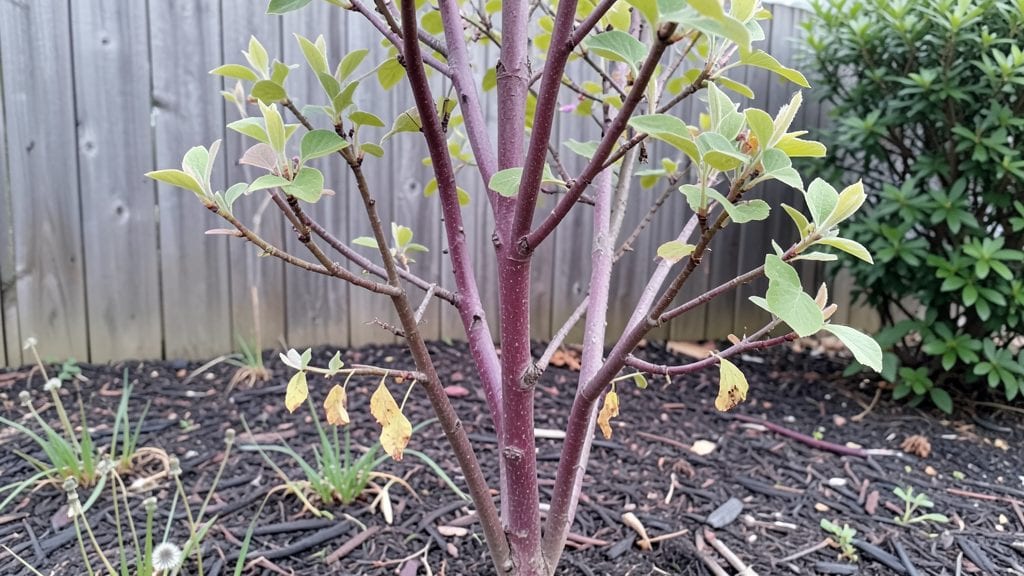
After those stunning pink blooms fade, your redbud tree needs the right care to stay healthy and produce more vibrant flowers next spring. I’ve learned the hard way that skipping this step means fewer blooms and leggy branches—so let’s fix that before summer even starts.
The key is timing your pruning, feeding the roots, and keeping pests at bay while the tree focuses on new growth.
You’ll only need a few basic tools: sharp pruning shears, gloves, and maybe some organic fertilizer if your soil feels tired. The real work happens in late spring or early summer, when the tree has finished blooming but still has energy to recover.
I’ve seen redbuds go from sad and sparse to lush and full just by giving them this one seasonal reset.
What you’ll end up with is a tree that bursts with fresh green leaves by summer, stores up energy for next year’s blooms, and resists common pests like spider mites.
The branches will stay strong and the canopy will fill in nicely—no more seeing through to the sky between the limbs. Just a few cuts and a little TLC make all the difference.
This works whether your redbud is a young sapling or a mature tree in your yard. The same principles apply, just scaled to size. Let’s get those branches looking sharp and that tree ready for another showstopping spring.
📚 In This Guide
- What you need
- Instructions
- Tips and common mistakes
- Wrapping up and next steps
What you need
- ● Pruning shears: Sharp, bypass-style shears (for cuts up to ½ inch thick). Pro tip: Clean blades with rubbing alcohol to prevent disease spread! 💡
- ● Loppers: For thicker branches (½ to 1½ inches). Look for ratcheting or bypass loppers for precision.
- ● Pruning saw: A curved-tooth saw (for branches 1½+ inches thick). Avoid cheap tools—smooth cuts heal faster!
- ● Gloves: Heavy-duty, cut-resistant gloves (e.g., Mechanix or leather) to protect hands from thorns and rough bark.
- ● Disinfectant: 70% isopropyl alcohol or a 10% bleach solution (1 part bleach to 9 parts water) to sterilize tools between cuts.
- ○ Pruning sealant (optional): Tree wound pruning paste (e.g., Tanglefoot Tree Wound Pruning Sealant) for large cuts (>2 inches) to reduce disease risk.
- ● Ladder or step stool: Sturdy, extension ladder (24–32 ft) or a stable step stool (for shorter trees). Safety first! 🔧
- ● Trash bags: Heavy-duty bags (10–20 gallon size) for debris. Line your bag with a tarp for easy cleanup!
- ● Timing: Prune immediately after blooming (late March–April) to avoid cutting off next year’s flowers. Never prune in fall or winter! ⏰
- ● Weather: Choose a dry, overcast day (humidity slows healing). Avoid pruning if rain is forecasted within 24 hours.
- ● Safety gear: Safety glasses and long sleeves/pants to protect from debris and thorns.
- ● Tree health check: Inspect for diseased or dead branches (brown, brittle, or peeling bark) before starting.
- ● Local regulations: Check if your area requires permit(s) for tree pruning (common in urban or protected zones).
- ● Handheld leaf blower: For quick cleanup of small debris.
- ● Tree pruning rope: For securing ladders or stabilizing branches during work.
- ● Camera or phone: Take before/after photos to track your tree’s progress!
- ● Compost bin: If you plan to reuse pruned branches for mulch or compost.
Step-by-step guide to pruning your redbud tree after bloom
Here’s how to keep your redbud thriving after those stunning spring blooms fade.
Wait for the Right Time to Prune
Prune your redbud tree 4 to 6 weeks after the flowers fade—usually in late spring or early summer. This timing lets the tree recover from blooming and avoids cutting off next year’s flower buds, which form on last year’s growth. If you prune too early, you risk removing potential blooms for the following spring.
Look for new leaf growth on branches to confirm the tree has finished flowering. The leaves should be fully unfurled and vibrant green, signaling the tree is ready for pruning. Avoid pruning in fall or winter, as cold stress can weaken the tree.
Remove Dead, Diseased, or Crossing Branches
Start by inspecting the tree for dead, diseased, or damaged branches. These are easy to spot—they’ll be brown, brittle, or lacking leaves. Use clean, sharp pruning shears to make clean cuts just outside the branch collar, the swollen area where the branch meets the trunk. This prevents tearing and promotes faster healing.
Next, look for branches that cross or rub against each other. These create wounds and can lead to disease or breakage. Remove the smaller or weaker branch at its base, cutting back to a healthy bud or lateral branch. This opens up the canopy for better airflow and sunlight penetration.
Thin Out Overcrowded Branches for Better Airflow
Redbuds naturally grow with a rounded shape, but over time, branches can become too dense. To encourage healthy growth, selectively thin out branches that are growing inward or too close together. Aim to remove about 10 to 20% of the tree’s total foliage—this reduces stress while improving light and air circulation.
Focus on branches that are one-third the size of the trunk or smaller. Cut them back to a strong lateral branch or bud, making sure the cut is angled slightly away from the branch collar. Avoid "heading back" or cutting into old wood, as this can stimulate weak, water-sprout growth.
Shape the Tree for Balance and Structure
Step back and assess the tree’s overall shape. Redbuds have a naturally graceful form, but light shaping can help maintain balance. Remove any suckers—shoots growing from the base or trunk—that compete with the main structure. These drain energy from the tree and should be cut at ground level.
If the tree is leaning or has uneven growth, prune the longer side slightly to encourage a more balanced shape. Never remove more than 25% of the tree’s foliage in one season, as this can stress the tree. Small, strategic cuts over a few years work best for long-term health.
Clean Up and Monitor for Recovery
After pruning, sterilize your tools with rubbing alcohol to prevent spreading disease. Collect and dispose of all clippings, especially if they show signs of disease. This keeps your garden clean and reduces the risk of reinfection.
Water the tree deeply after pruning to help it recover. Monitor the pruned areas over the next few weeks for any signs of stress, like wilting or discolored leaves. If the tree looks healthy and new growth appears within 4 to 6 weeks, you’ve done it right.
Tips & tricks for pruning your redbud tree after bloom
These simple yet effective tips will help you prune your redbud tree like a pro, ensuring it stays healthy and vibrant for years to come.
Timing is Everything: The 4 to 6 week window after flowering is critical because this is when your redbud has fully recovered from blooming and is ready to handle pruning without stress. I always check for fully unfurled, vibrant green leaves as my final confirmation—this tells me the tree is ready to be shaped without risking next year’s flowers.
Tool Prep Makes All the Difference: Before you start cutting, sterilize your pruning shears with rubbing alcohol. This simple step prevents spreading disease from one branch to another. I also recommend using sharp tools—dull blades tear wood, creating larger wounds that take longer to heal and are more susceptible to infection.
Focus on the Branch Collar: When removing branches in Step 2, always cut just outside the branch collar—the swollen area where the branch meets the trunk. This is the tree’s natural healing point, and cutting here ensures the wound seals properly. I’ve seen too many pruning mistakes where people cut too close to the trunk, leaving ugly stubs that never heal right.
Monitor for Recovery Signs: After pruning, keep an eye out for new growth within 4 to 6 weeks. Healthy redbuds will show fresh leaves sprouting from the pruned areas, indicating successful recovery. If you notice wilting or discolored leaves, it might mean the tree is stressed—water deeply and give it time to bounce back.
Pro Tips for Redbud Tree After Bloom
- These simple yet effective tips will help you prune your redbud tree like a pro, ensuring it stays healthy and vibrant for years to come.
- Timing is Everything: The 4 to 6 week window after flowering is critical because this is when your redbud has fully recovered from blooming and is ready to handle pruning without stress.
- Tool Prep Makes All the Difference: Before you start cutting, sterilize your pruning shears with rubbing alcohol.
Frequently asked questions
Got questions about what to do with your redbud tree after those stunning blooms fade? You’re not alone!
Here are answers to the most common queries to help you keep your tree thriving.
When is the best time to prune a redbud tree after it blooms?
Prune your redbud tree right after blooming (late spring) to avoid cutting off next year’s flower buds, which form on old wood. Avoid heavy pruning in fall or winter, as this can stress the tree. Light shaping or deadwood removal can wait until early summer if needed.
Can I prune my redbud tree too much after it blooms?
Yes! Over-pruning can weaken the tree and reduce flowering. Stick to removing no more than 25% of the canopy in one session. Focus on dead, diseased, or crossing branches first. If you’re unsure, start small—redbuds are resilient but benefit from gentle care.
Will pruning after bloom affect next year’s flowers?
Not if done correctly! Redbuds bloom on last year’s wood, so prune carefully to preserve branches with flower buds. Avoid cutting back old stems to stubs—aim for clean cuts just above outward-facing buds. Patience pays off for those iconic pink blooms!
What should I do if my redbud tree isn’t blooming after pruning?
Lack of blooms could mean over-pruning, poor sunlight, or stress. Check for:
- Full sun exposure (6+ hours/day)
- Well-draining soil
- No recent heavy pruning (wait 1–2 years for recovery)
Are there alternatives to pruning if my redbud looks messy after blooming?
If pruning feels overwhelming, try these low-effort fixes:
- Thin out a few overcrowded branches for airflow.
- Remove only dead or diseased wood (use sterilized tools!).
- Let it grow naturally—redbuds have a wild, airy charm!
Wrapping up and next steps
Watching your redbud tree thrive after its stunning bloom is incredibly rewarding!
By pruning at the right time and following best practices, you’ll encourage vibrant foliage, better flower displays, and a healthier tree for years to come. Remember: patience and consistency are key—your efforts will pay off with a beautiful, resilient redbud that brightens your landscape season after season.
Ready to take the next step? Mark your calendar for late winter or early spring and grab your tools—your tree is waiting for its glow-up! 🌱✨