
Diseases
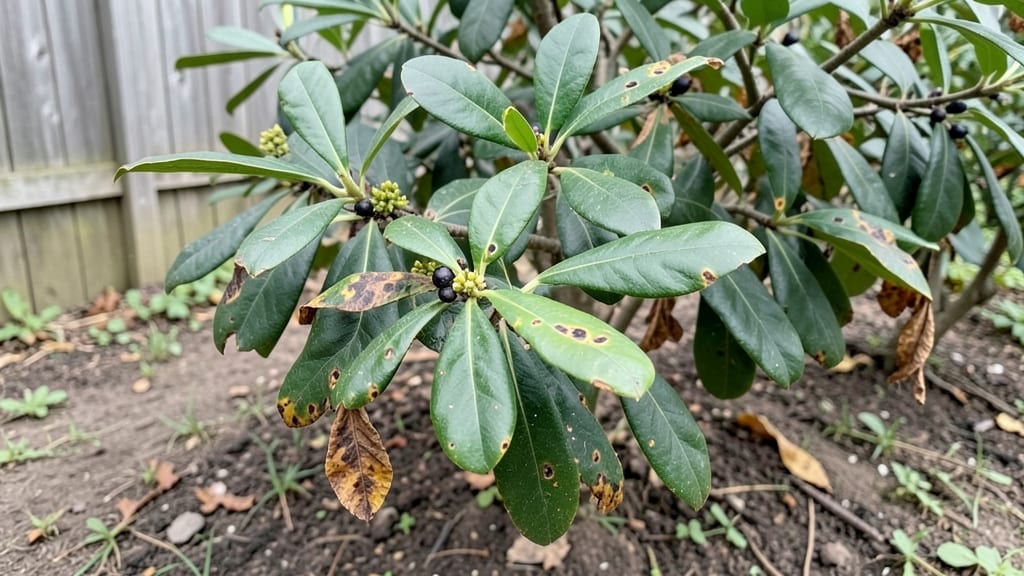
Bay tree diseases can turn your fragrant evergreen into a sad, sparse shadow of itself—unless you catch them early. 🌿 I’ve nursed back bay trees from fungal spots and bacterial blight by spotting symptoms like yellowing leaves or sticky sap before they spread.
The key isn’t just treating the problem, but understanding why it started in the first place.
Most issues begin with poor drainage or overwatering, creating the perfect damp conditions for root rot or powdery mildew. My bay trees thrived after I switched to well-draining soil and adjusted watering—now they stay healthy through summer’s heat.
Organic fixes like neem oil or copper fungicide work wonders when applied at the first sign of trouble.
You’ll spot the difference within weeks: glossy green leaves, no wilting, and that signature bay scent back in full force. The secret is acting fast—once diseases take hold, even organic treatments can’t fully reverse the damage.
Prevention is easier than cleanup, and your bay tree will reward you with years of lush, fragrant foliage.
Whether you’re dealing with leaf spots, bacterial blight, or root rot, this guide covers the most common threats and how to tackle them—without harsh chemicals. Let’s get your bay tree back to its best before the problem gets worse.
Root Causes Of Bay Tree Struggles
Bay trees, with their glossy leaves and aromatic appeal, can fall victim to diseases just like any other plant—but understanding the why behind their decline is the first step to saving them.
These issues often stem from a mix of environmental stress, microbial invaders, and poor cultural practices. Let’s break down the key culprits and how they trigger problems in your bay tree.
Bay trees thrive in specific conditions, and when those needs aren’t met, their defenses weaken, making them susceptible to infections. Here’s how environmental factors play a role:
💧 Overwatering or Poor Drainage
Bay trees hate soggy roots. When soil stays waterlogged—whether from overzealous watering, compacted soil, or containers without drainage holes—root rot sets in. Phytophthora and Pythium fungi, common in wet conditions, attack the roots, cutting off water and nutrient uptake.
Even if you’re not drowning your tree, underwatering followed by sudden soaking can stress roots enough to invite fungal infections.
Actionable fix: Use well-draining soil (mix in perlite or sand) and water only when the top 1–2 inches of soil are dry. Elevate pots to improve airflow.
🌡️ Temperature & Humidity Swings
Bay trees prefer moderate temperatures (60–75°F) and humidity (40–60%). Sudden drops below freezing or scorching heat (above 90°F) shock the plant, while high humidity without airflow creates a perfect breeding ground for fungal spores like Botrytis (gray mold) or Septoria leaf spot.
Coastal bay trees may also struggle with salt spray, which burns foliage and weakens their immune response.
Actionable fix: Move potted bay trees indoors if temps dip below 40°F. Use a humidifier in dry climates or mist leaves (early morning only) to avoid fungal growth. Avoid placing them near vents or direct sunlight.
☀️ Sunlight Imbalance
Too little light leads to leggy, weak growth (a magnet for pests), while intense afternoon sun can scorch leaves, creating entry points for pathogens. Bay trees need bright, indirect light—think dappled shade or eastern exposure. Without it, their leaves become thin and vulnerable to anthracnose or powdery mildew.
Actionable fix: Gradually acclimate bay trees to outdoor light (a process called hardening off). If indoors, place them near a south- or east-facing window. Rotate pots weekly for even growth.
Diseases don’t just happen—they’re often invited by weakened plants or carried by hitchhiking pests. Here’s how microbes and insects exploit bay trees:
🍄 Fungal & Bacterial Pathogens
Fungi and bacteria don’t just appear—they wait for an opening. Common offenders include:
- Root Rot (Phytophthora, Pythium): Thrives in waterlogged soil. Infected roots turn brown/mushy, and the tree wilts despite moist soil.
- Leaf Spot (Septoria, Cercospora): Dark, circular spots with yellow halos appear when leaves stay wet (from overhead watering or humidity). Spores spread via wind or splashing water.
- Powdery Mildew (Erysiphe): A white, dusty coating forms when humidity is high and airflow is poor. It clogs stomata (leaf pores), starving the plant.
- Bacterial Blight (Xanthomonas): Water-soaked lesions on leaves or stems ooze yellow bacteria when crushed. Spreads via contaminated tools or rain.
Actionable fix: Sterilize pruners with rubbing alcohol, avoid overhead watering, and remove infected leaves immediately (don’t compost them—bag and discard). For fungal issues, improve airflow with spacing or fans.
🐜 Pest Gateways to Disease
Pests like scale insects, aphids, and spider mites don’t just suck sap—they damage plant tissues, creating wounds where pathogens enter. For example:
- Scale insects secrete honeydew, which fosters sooty mold (a black fungal growth that blocks sunlight).
- Spider mites thrive in dry conditions and weaken leaves, making them prone to leaf curl viruses.
Actionable fix: Inspect undersides of leaves weekly. Blast pests off with water or use neem oil (1 tsp per quart of water). Introduce beneficial insects like ladybugs or lacewings for natural control.
Even with perfect conditions, human habits can undo a bay tree’s resilience. These common errors create disease opportunities:
🔪 Poor Pruning Practices
Cutting at the wrong time or using dirty tools invites infections. Bay trees should only be pruned in late winter/early spring (dormant season). Snipping during active growth or in wet weather opens wounds to bacterial canker or fungal infections.
Additionally, leaving dead wood on the tree traps moisture and spores.
Actionable fix: Prune with sterilized tools (bleach or alcohol wipe) and make cuts at a 45-degree angle just above a leaf node. Seal large cuts with pruning sealant.
🌿 Overcrowding & Airflow Issues
Bay trees need space to breathe. When planted too closely together or kept in cramped pots, humidity lingers between leaves, promoting fungal spores. Poor airflow also delays drying after watering, extending the window for root rot or leaf spot.
Actionable fix: Space bay trees 3–5 feet apart outdoors. In containers, ensure pots are 1–2 sizes larger than the root ball and elevate them for airflow.
🍄 Ignoring Soil Health
Compacted, nutrient-poor, or alkaline soil (pH >7.5) stresses bay trees, making them less resistant to disease. Bay trees prefer slightly acidic to neutral soil (pH 6.0–7.0) rich in organic matter.
Without it, they become deficient in micronutrients like magnesium or iron, leading to chlorosis (yellowing leaves) and weakened immunity.
Actionable fix: Test soil pH and amend with compost or sulfur to lower pH if needed. Use a balanced organic fertilizer (like 10-10-10) in spring and summer.
Quick Fixes for Common Bay Tree Ailments
Bay trees are hardy, but when diseases strike, acting fast is key to saving your plant. Below are practical, organic solutions tailored to the most common issues—plus prevention tips to keep your bay tree thriving long-term.
If your bay tree’s leaves are covered in black spots, orange pustules, or fuzzy mold, fungi are likely the culprit. Here’s how to tackle them:
🔥 Step 1: Prune the Problem Areas
- Use sterilized pruning shears (wipe with rubbing alcohol) to remove all infected leaves and stems.
- Cut at least ½ inch below the visible damage to prevent spread.
- Dispose of infected foliage in the trash (not compost)—fungi can survive in compost piles.
🍳 Step 2: Apply a Natural Fungicide
Mix one of these DIY sprays and apply early in the morning (avoid direct sunlight to prevent leaf burn):
- Baking Soda Spray (for powdery mildew/leaf spot):
- 1 tsp baking soda
- 1 quart water
- 1 tsp vegetable oil (helps it stick)
- 1 tbsp dish soap (reduces surface tension)
- Spray until leaves are damp.
Reapply every 7–10 days.
- Neem Oil Solution (broad-spectrum antifungal):
- 1 tbsp neem oil
- 1 tsp horticultural oil (optional, for extra potency)
- 1 quart water
- ½ tsp mild soap (like Castile)
- Shake well and spray thoroughly. Best used at dusk to avoid leaf burn.
🌡️ Step 3: Improve Airflow & Light
- Space plants 3–5 feet apart to reduce humidity buildup.
- Avoid overhead watering—use a soaker hose or drip irrigation instead.
- Ensure 6+ hours of sunlight daily (bay trees hate soggy, shaded conditions).
💡 Prevention Tip:
- Water at the base (not the leaves) to minimize fungal spores splashing onto foliage.
- Mulch with pine needles or gravel to improve drainage and deter fungal growth.
Tiny invaders like spider mites, scale, or mealybugs suck sap and weaken your bay tree. Here’s how to evict them:
👨🍳 Step 1: Blast Off Pests with Water
- Strong spray from the hose (or a pressure sprayer) can knock off mealybugs and spider mites.
- Repeat every 3–4 days for 2 weeks to starve remaining pests.
🔪 Step 2: Scrape Off Scale Insects
- Scale insects (brown/white bumps on stems) are stubborn—scrub them off with a soft toothbrush dipped in rubbing alcohol.
- Follow up with a soapy water spray (1 tsp mild soap per quart of water).
🥘 Step 3: Introduce Beneficial Insects
- Ladybugs, lacewings, or parasitic wasps (available at garden centers) eat spider mites and mealybugs naturally.
- Release them at dusk when pests are most active.
✨ Step 4: Use Insecticidal Soap (Organic Version)
- Mix:
- 1 tbsp Castile soap
- 1 quart water
- 1 tsp vegetable oil (helps it cling)
- Spray undersides of leaves (where pests hide) every 5–7 days until gone.
🎯 Prevention Tip:
- Inspect new plants before bringing them home—quarantine for 2 weeks to spot hitchhikers.
- Encourage predatory insects by planting dill, fennel, or marigolds nearby.
If your bay tree’s leaves are yellowing, wilting, or falling off, root rot from overwatering may be the issue.
💧 Step 1: Check the Soil
- Stick your finger 2 inches deep—if it’s soggy, your tree is drowning.
- Bay trees prefer slightly dry soil—water only when the top 1–2 inches are dry.
🔄 Step 2: Repot in Well-Draining Mix
- If roots are mushy or black, repot immediately in a container with drainage holes.
- Use a mix of:
- 50% potting soil
- 30% perlite or pumice
- 20% coarse sand (for aeration)
🌡️ Step 3: Adjust Watering Habits
- Water deeply but infrequently—once a week (or less in winter).
- Avoid saucers under pots—empty them after watering to prevent root suffocation.
💡 Prevention Tip:
- Never let bay trees sit in standing water—they’re sensitive to wet feet.
- Use a moisture meter to track soil dryness accurately.
- Fertilize lightly (once in spring with balanced organic fertilizer)—too much nitrogen weakens defenses.
- Prune regularly to improve airflow (remove dead or crowded branches).
- Monitor for stress signs (yellowing, curling leaves)—early action saves the tree!
🌿 Pro Tip: Healthy bay trees are disease-resistant! Keep them well-fed, well-drained, and stress-free, and you’ll rarely see major problems.
Frequently asked questions about bay tree health
Why are my bay tree leaves turning yellow?
Yellowing leaves usually signal overwatering or nutrient deficiencies. Check for soggy soil (root rot) or pale yellow leaves (iron/magnesium deficiency). Adjust watering to once weekly when topsoil is dry, and fertilize lightly with Epsom salt (1 tbsp per gallon) for magnesium.
How do I know if my bay tree has root rot?
Root rot causes wilting despite moist soil, black/mushy roots, and a foul smell. Gently remove the tree from its pot and inspect roots—healthy roots are firm and white. Repot in well-draining mix (50% soil, 30% perlite, 20% sand) immediately.
Can I save a bay tree with fungal leaf spots?
Yes! Prune infected leaves ½ inch below spots, then spray with neem oil mix (1 tbsp neem + 1 quart water + ½ tsp soap). Improve airflow by spacing plants 3–5 feet apart and avoid overhead watering. Reapply spray every 7–10 days until new growth appears.
What’s the best organic treatment for bay tree pests?
For scale insects, scrub with a rubbing alcohol-soaked toothbrush, then spray with soapy water (1 tsp Castile soap per quart). For spider mites, blast leaves with water daily for 3 days, then introduce ladybugs or use insecticidal soap weekly.