Diseases
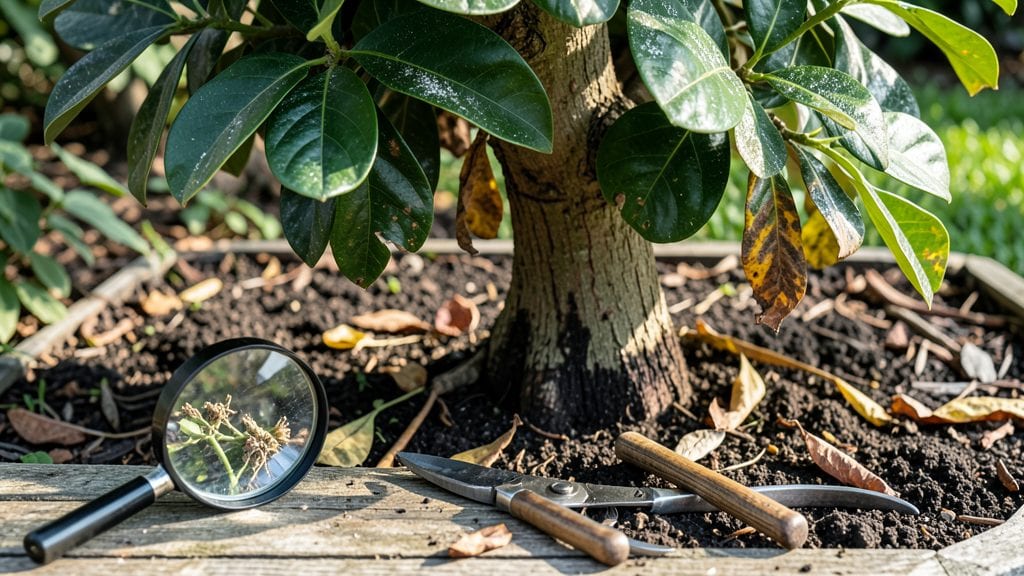
Avocado tree diseases like root rot and anthracnose can turn your lush canopy into a sad, spotted mess—unless you catch them early. 🌱 I’ve seen healthy trees decline in just weeks when these fungal blights take hold, but the good news?
Most can be stopped with the right know-how and a little prevention.
The worst offenders—like Phytophthora root rot and anthracnose—love damp, poorly drained soil. Yellowing leaves, black spots on fruit, or mushrooms sprouting at the base of the trunk?
Those are red flags. The key is acting fast: improve drainage, prune infected branches, and treat with copper fungicide before the disease spreads deeper.
You’ll learn to spot symptoms early, fix the root causes (literally and figuratively), and keep your tree thriving. With the right care, you can avoid the heartbreak of losing a tree—and enjoy those creamy, buttery avocados for years to come.
Whether you’re dealing with a young sapling or a mature tree, these organic and chemical solutions work. Let’s get your avocado back to its healthy, productive self—before the next rainstorm rolls in.
Root Causes Of Avocado Tree Ailments
Avocado trees are resilient, but they’re not invincible. When diseases strike, they often trace back to a few key factors—some you can control, others tied to nature’s unpredictability. Understanding why these issues arise is the first step to prevention. Let’s break down the science behind the most common culprits.
Avocados thrive in well-draining, slightly acidic soil (pH 6.0–7.0), rich in organic matter. When soil conditions degrade, trees become stressed, making them vulnerable to fungal infections. Here’s why:
- Compacted or Waterlogged Soil: Avocado roots need oxygen. Heavy clay or poorly drained soil suffocates roots, weakening the tree’s immune response. Fusarium wilt, a deadly fungal disease, exploits this stress, blocking water and nutrient flow.
- Nutrient Imbalances: A lack of zinc, magnesium, or potassium stunts growth, while excess nitrogen promotes lush foliage but weak stems—perfect entry points for pathogens like Phytophthora.
- Soil-Borne Pathogens: Overworked or contaminated soil harbors dormant fungi (e.g., Verticillium) that erupt when trees are nutrient-deprived.
💡 Pro Tip: Test soil annually and amend with compost or sulfur (to adjust pH) before planting. Raised beds improve drainage for at-risk trees.
Avocados hate soggy feet. Excess moisture creates the perfect breeding ground for fungi like Phytophthora cinnamomi, which rots roots and girdles stems. Here’s how it happens:
- Fungal Spores Love Dampness: Phytophthora spores thrive in waterlogged soil, infecting roots within days. Even "occasional" overwatering keeps soil saturated long enough for outbreaks.
- Poor Drainage Systems: Trees planted in low-lying areas or with clogged drainage tiles trap water, accelerating root rot. Fusarium and Pythium exploit this environment.
- Splash Back from Irrigation: Overhead sprinklers or drip lines too close to the trunk splash fungal spores onto leaves and bark, causing anthracnose or brown rot.
✨ Actionable Fix: Use drip irrigation at the base (not the trunk) and avoid watering after dark. Mulch with wood chips to regulate soil moisture.
Avocados prefer warm, stable climates (USDA Zones 9–11). Sudden temperature swings or prolonged stress from heat/cold trigger disease outbreaks. Here’s the science:
- Heat Stress (Above 90°F): High temperatures weaken cell walls, making trees susceptible to sunburn and bacterial spot. Weakened bark cracks, inviting Nectria canker.
- Cold Snaps (Below 32°F): Frost damages leaves and stems, creating wounds where Botryosphaeria (a canker-causing fungus) enters. Young trees are most at risk.
- Humidity + Heat = Fungal Party: Stagnant, humid air (e.g., after rain in hot climates) fuels anthracnose and powdery mildew by slowing leaf drying.
🎯 Prevention Tip: Prune for airflow in summer and wrap young trunks with burlap in winter. Avoid overhead watering during heatwaves.
Pests don’t just damage leaves—they open doors for diseases. Here’s how:
- Root-Knot Nematodes: These microscopic worms burrow into roots, creating entry points for Fusarium and Phytophthora. Infested trees show stunted growth and yellowing leaves.
- Scale Insects & Mealybugs: Their sticky honeydew attracts sooty mold fungi, which smother leaves and block sunlight, weakening the tree.
- Bark-Boring Insects (e.g., Avocado Seed Moth): Larvae tunnel into wood, creating wounds where Botryosphaeria or Cercospora (leaf spot) take hold.
🔥 Early Intervention: Apply neem oil for soft-bodied pests or systemic fungicides (like copper-based sprays) if pests have already compromised the tree.
Most avocado diseases are opportunistic—they exploit stress. By addressing soil, water, climate, and pests proactively, you can starve pathogens before they gain a foothold.
Fixing Fungal Foes Fast
Avocado trees are resilient, but fungal diseases like root rot, anthracnose, and powdery mildew can turn your lush canopy into a sad, spotted mess if left unchecked. The good news? Most issues are fixable with the right approach—whether you’re dealing with overwatering woes, fungal spores, or environmental stress.
Below, we break down cause-specific fixes and prevention tips to keep your avocado tree thriving.
Cause: Too much moisture (from poor drainage, overwatering, or heavy clay soil) creates the perfect breeding ground for Phytophthora fungi.
How to Fix It: 🔥 🚰 Improve Drainage Immediately
- If your tree is potted, repot into a container with drainage holes (terracotta works best) and use a well-draining mix (50% potting soil, 30% perlite, 20% coarse sand).
- For in-ground trees, amend the soil with compost and sand (1:1 ratio) around the root zone. Avoid compacted clay—break it up with a garden fork.
🍳 🌿 Prune Damaged Roots (If Possible)
- Gently remove the tree from its pot (for container-grown avocados) and trim black, mushy roots with sterilized pruners. Healthy roots should be firm and white.
- For in-ground trees, avoid digging—focus on soil amendments instead.
👨🍳 💧 Adjust Watering Habits
- Let the top 2–3 inches of soil dry out between waterings. Stick your finger in—if it’s damp, wait!
- Water deeply but infrequently—avoid shallow, frequent soakings.
🔪 🌡️ Fungicide as a Last Resort
- If root rot is severe, apply a copper-based fungicide (like Copper Sulfate) to the soil. Follow label instructions carefully.
💡 Prevention Tips: ✔ Raise pots off the ground (use feet or bricks) to prevent waterlogging. ✔ Mulch with wood chips (2–3 inches) to improve soil aeration. ✔ Avoid overhead watering—use drip irrigation or a watering can at the base.
Cause: Colletotrichum spores thrive in humid, wet conditions, causing dark spots on leaves, fruit, and stems.
How to Fix It: 🔥 🧹 Remove Infected Parts
- Prune and dispose of (not compost!) all infected leaves, fruit, and stems. Burn or trash them—do not leave them in the yard.
🍳 🌿 Thin the Canopy for Airflow
- Space branches out to improve airflow—fungi love tight, damp foliage. Aim for 6–12 inches between branches.
👨🍳 💧 Water in the Morning
- Wet leaves encourage spores, so water early in the day so foliage dries quickly. Avoid late-afternoon watering.
🔪 🛡️ Apply Fungicide Proactively
- Spray with a copper fungicide (like Bonide Copper Fungicide) every 7–10 days during rainy seasons or high humidity.
- For organic options, try neem oil (1 tsp per quart of water + a drop of dish soap as a spreader).
💡 Prevention Tips: ✔ Sanitize pruners with rubbing alcohol between cuts. ✔ Avoid overhead sprinklers—use soaker hoses instead. ✔ Harvest fruit promptly—don’t let it overripe on the tree.
Cause: Oidium fungi spread in warm (70–85°F), dry conditions, leaving a white, powdery coating on leaves.
How to Fix It: 🔥 🧼 Scrub Off the Fungus
- Use a soft cloth or sponge dipped in soapy water (1 tsp mild dish soap per gallon) to gently wipe infected leaves. Do not use bleach—it can burn the tree.
🍳 🌿 Boost Air Circulation
- Prune crowded branches and space plants apart (at least 3–4 feet for avocado trees).
👨🍳 💧 Water at the Base (Not Leaves)
- Avoid wetting foliage—water only at the soil level.
🔪 🛡️ Spray with Fungicide
- Baking soda spray (1 tsp baking soda + 1 quart water + a drop of soap) works for mild cases.
- For severe infections, use sulfur-based fungicides (like Liqui-Cop)—follow package rates.
💡 Prevention Tips: ✔ Water early in the day so leaves dry fast. ✔ Avoid nitrogen-heavy fertilizers—they promote lush growth (which mildew loves). ✔ Plant in full sun—powdery mildew thrives in shade.
No matter the disease, strong trees fight off pests better. Keep your avocado healthy with:
- Balanced fertilizer (high in potassium and phosphorus, low in nitrogen).
- Regular pruning to remove dead/diseased wood.
- Mulching (2–4 inches of organic mulch) to retain moisture and regulate soil temp.
✨ Pro Tip: If you’re replanting after disease, sterilize the soil with solarization (cover with clear plastic for 4–6 weeks in sun) or replace the top 6 inches of soil entirely.
By acting fast and consistently, you can reverse damage and prevent future outbreaks. Your avocado tree will be back to producing creamy, delicious fruit in no time! 🥑💚
Frequently asked questions
What are the first signs of root rot in an avocado tree?
Watch for yellowing leaves starting from the bottom, blackened or mushy roots when you gently dig around the base, and a sour, rotting smell from the soil. The tree may also wilt even when the soil feels moist—this is a red flag that roots can't absorb water properly.
Can I save my avocado tree if it has anthracnose?
Yes, but act fast! Remove all infected leaves and fruit immediately, then apply a copper fungicide every 7-10 days during wet seasons. Thin the canopy to improve airflow and water only in the morning so leaves dry quickly. With consistent care, most trees recover within 2-3 months.
Why does my avocado tree keep getting powdery mildew?
This fungus thrives in warm (70-85°F), dry conditions with poor airflow. Prune crowded branches, avoid overhead watering, and use sulfur-based fungicides or a baking soda spray (1 tsp baking soda + 1 quart water). Plant in full sun and water at the base only.
How do I prevent diseases when replanting after a sick tree?
Sterilize the soil by solarization (cover with clear plastic for 4-6 weeks) or replace the top 6 inches of soil entirely. Use a well-draining mix (50% potting soil, 30% perlite, 20% coarse sand) and choose disease-resistant rootstock if available.
Are there organic treatments for avocado tree diseases?
Try neem oil (1 tsp per quart of water) for fungal issues, copper fungicide (organic versions available), or a baking soda spray (1 tsp baking soda + 1 quart water). For root rot, improve drainage with compost and sand amendments instead of chemicals.