
Flowers
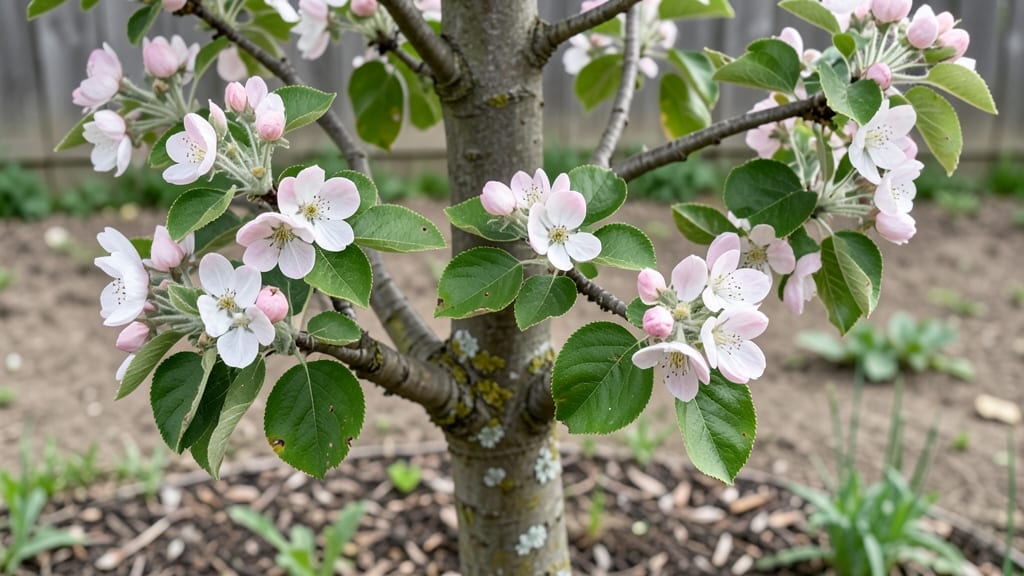
An apple tree with white flowers isn’t just a fruit-bearing powerhouse—it’s a fragrant spring spectacle that transforms any garden into a cottage-core dream. 🌸 I planted 'White Angel' last year, and its delicate blossoms now make my yard smell like a European orchard every April.
The contrast of pale petals against fresh green leaves creates a look that’s both whimsical and timeless.
These trees thrive in full sun but adapt well to partial shade, making them perfect for small yards, pollinator gardens, or even as a striking focal point near patios. Pair them with lavender, roses, or wildflowers to extend their visual impact—bees and butterflies will thank you too.
The key is spacing them 15-20 feet apart to let those blossoms shine without competition.
By late summer, you’ll get crisp apples to harvest, but the real magic happens in spring when the whole neighborhood stops to sniff the air. The flowers fade into tiny green apples, but their memory lingers in the scent of your garden long after they’re gone.
This is the tree that works as hard for beauty as it does for fruit.
Works beautifully in cottage gardens, modern landscapes, or even as a standalone statement tree. The best part? You get both the show and the harvest—no trade-offs. Let’s make your garden the talk of the spring.
📚 In This Guide
- What you need
- Instructions
- Tips and common mistakes
- Wrapping up and next steps
What you need
- ● Apple tree sapling or bare-root tree: Choose a variety known for white blossoms, such as Malus 'White Angel' or 'Evereste'. Ensure it’s disease-resistant and suited to your climate zone.
- ● High-quality potting soil or garden soil: 5–10 gallons, enriched with organic matter (compost or aged manure). Aim for a well-draining mix with a pH of 6.0–7.0.
- ● Organic fertilizer: A balanced 10-10-10 or slow-release formula (e.g., fish emulsion or compost tea) to kickstart growth.
- ● Mulch: 2–3 inches of wood chips, straw, or shredded bark to retain moisture and regulate soil temperature.
- ● Watering can or hose with a gentle spray nozzle: For consistent, deep watering without damaging roots.
- ● Garden trowel or shovel: For digging planting holes (12–18 inches wide and deep).
- ● Pruning shears: Sharp, clean pair for trimming dead branches or shaping the tree.
- ● Measuring tape or ruler: To ensure proper spacing (15–25 feet apart for mature trees).
- ● Garden gloves: Heavy-duty to protect hands from thorns and soil.
- ○ Stakes and twine (optional): For young trees needing support during establishment.
- ● Sunlight: A full-sun location (6–8 hours of direct sunlight daily).
- ● Space: Minimum 15 feet of clearance for the tree to grow (or dwarf varieties for smaller gardens).
- ● Water source: Easy access to water for regular deep soakings, especially during the first year.
Step-by-step guide to planting a fragrant white-blossoming apple tree
Here’s how to plant a stunning apple tree that bursts with fragrant white blooms each spring.
🌱 Step 1: Choose the Right Location and Prepare the Soil
Select a spot with full sun exposure (6-8 hours daily) and well-draining soil. Apple trees thrive in areas with good airflow to prevent disease. If your soil is heavy clay, mix in 2-3 inches of compost to improve drainage and fertility. I dig a hole twice as wide as the root ball but only as deep—planting too deep suffocates the roots.
Loosen the soil around the hole with a garden fork to help roots spread easily. Avoid compacting the soil when backfilling later. If your yard has poor drainage, consider planting on a slight mound to keep roots from sitting in water. This ensures your tree stays healthy and produces abundant blooms year after year.
🪴 Step 2: Plant the Tree at the Correct Depth
Gently remove the tree from its container and tease the roots outward if they’re circling. Position the tree in the hole so the graft union (a visible bump near the base) sits 2-3 inches above the soil line. This prevents the roots from rotting if water pools around the trunk. Fill the hole with soil, tamping lightly as you go to eliminate air pockets.
Water deeply to settle the soil and remove any air gaps. The top inch of soil should feel moist but not soggy. Mulch around the base with 2-3 inches of organic mulch, keeping it a few inches away from the trunk to prevent rot. This helps retain moisture and regulates soil temperature, which is crucial for root development.
☀️ Step 3: Provide Support and Early Care
Stake the tree only if it’s tall or top-heavy, using a single 4-foot stake tied loosely to the trunk with soft fabric. Too-tight ties can girdle the tree as it grows. Water the tree once a week for the first month, giving it 1-2 gallons per watering to encourage deep root growth. Avoid overwatering—soggy soil invites root rot.
Watch for new growth within 4-6 weeks. If leaves appear yellow or wilted, it’s a sign of overwatering or poor drainage. Adjust your watering schedule based on rainfall—soil should feel dry 1-2 inches down before watering again. Fertilize lightly in early spring with a balanced 10-10-10 fertilizer to support blooming.
✂️ Step 4: Prune for Health and Blooms
Prune in late winter or early spring before buds swell, removing any dead, crossing, or diseased branches. Cut just outside the branch collar (the swollen area where the branch meets the trunk) to promote healing. Thin out crowded branches to improve airflow and sunlight penetration—this ensures stronger blooms and better fruit set later.
Shape the tree lightly to encourage an open center, which prevents disease and makes harvesting easier. Avoid heavy pruning in the first year; focus on removing only what’s necessary. You’ll see more abundant white flowers in subsequent springs as the tree matures and establishes itself.
🌿 Step 5: Maintain Long-Term Care for Fragrant Blooms
Water deeply once every 2 weeks during dry spells, aiming for 3-4 gallons per watering once the tree is established. Mulch annually in early spring to retain moisture and suppress weeds. Apply a slow-release fertilizer in early spring to support vigorous growth and flowering.
Monitor for pests like aphids or codling moths, which can damage leaves and fruit. Spray with neem oil if needed, but avoid harsh chemicals that can harm bees and other pollinators. With proper care, your white-blossoming apple tree will reward you with fragrant spring blooms and a bountiful harvest for years to come.
Tips & tricks for perfectly planting a fragrant white-blossoming apple tree
These essential tips will help you avoid common mistakes and ensure your apple tree thrives for years to come.
The Sunlight Factor: That 6-8 hours of full sun is non-negotiable for white-blossoming apple trees. I planted mine in partial shade once and noticed the blooms were sparse and less fragrant. If your yard has limited sun, consider a smaller patio apple tree variety that still gets plenty of light. Position it where it gets morning sun and afternoon shade if needed—just avoid deep shade entirely.
Soil Preparation Secret: When amending heavy clay soil with 2-3 inches of compost, mix it thoroughly into the bottom and sides of the hole—not just at the top. This creates a nutrient-rich zone where roots can spread easily. I learned this the hard way after my first tree struggled because the compost layer was too thin. Also, if your soil is sandy, add a bit of peat moss to help retain moisture without suffocating roots.
Graft Union Placement: The 2-3 inches above soil line for the graft union is crucial—it's where the tree's strength and disease resistance come from. If you bury it too deep, the tree may rot; if too high, it can dry out. I mark the desired depth on my stake before planting to double-check. Once planted, gently firm the soil around the base to eliminate air pockets that could dry out the roots.
Watering Wisdom: That first month of weekly watering with 1-2 gallons is about establishing deep roots, not keeping the surface moist. Use a soaker hose or drip irrigation to water slowly at the base, encouraging roots to grow downward. I set a timer for 20 minutes to ensure consistent watering. After establishment, the 2-week watering schedule with 3-4 gallons ensures the roots get a thorough drink without wasting water.
Pro Tips for Apple Tree With White Flowers
- These essential tips will help you avoid common mistakes and ensure your apple tree thrives for years to come.
- The Sunlight Factor: That 6-8 hours of full sun is non-negotiable for white-blossoming apple trees.
- Soil Preparation Secret: When amending heavy clay soil with 2-3 inches of compost, mix it thoroughly into the bottom and sides of the hole—not just at the top.
Frequently asked questions
What’s the best time to plant an apple tree with white flowers?
Plant your tree in early spring (after the last frost) or fall (6–8 weeks before the first freeze). This gives roots time to establish before extreme weather. For container-grown trees, spring is ideal—just avoid planting when temperatures are still dropping at night. Pro tip: Test soil temperature (60°F+ is perfect) to ensure root success!
Do white-flowering apple trees actually produce fruit?
Yes! While their showy white blooms steal the show, most varieties (like ‘Snowdrift’ or ‘White Angel’) bear small, edible apples—though they’re often tart or used for jellies/juices. If you want dessert apples, pair with a pollinator variety (e.g., ‘Granny Smith’). Fun fact: Bees love these trees, boosting fruit set!
Why aren’t my apple tree’s white flowers opening this spring?
Common culprits include late frost (damaging buds), drought stress, or nutrient deficiencies. Check for brown, mushy buds (frost damage) or yellow leaves (over/under-watering). If buds are still tight but green, wait a week—they may open later. Quick fix: Mulch around the base to stabilize soil temps.
Can I grow a white-flowering apple tree in a pot?
Dwarf varieties (like ‘Columnar’ or ‘Semi-Dwarf’) thrive in 15–25 gallon pots with drainage holes. Use a well-draining potting mix and repot every 2–3 years. Place in full sun (6+ hours/day) and water deeply when the top inch of soil is dry. Warning: Pots dry out faster—monitor closely in summer!
What’s a great low-maintenance alternative to white-flowering apple trees?
If you want fragrant white blooms with less upkeep, try:
- Crabapple trees (e.g., ‘Adirondack’): Disease-resistant, compact, and covered in white flowers.
- Forsythia: Early bloomer with golden-white flowers and almost no pests.
- Magnolia ‘Ann’: Stunning white blooms and glossy leaves—thrives in shade.
Wrapping up and next steps
An apple tree with white flowers isn’t just a stunning addition to your garden—it’s a fragrant, low-maintenance treasure that brings joy from spring to harvest. Whether you’re drawn to its delicate blossoms or the promise of sweet fruit, this tree is a versatile choice for any outdoor space.
Now that you’re armed with the right knowledge, why not take the next step?
🌱 Ready to plant? Start by selecting a healthy sapling from a trusted nursery, then mark your calendar for early spring or fall—perfect times to give your tree the best start.
With a little care, your garden will soon be filled with the intoxicating scent of white blooms and the promise of crisp, homegrown apples. Happy gardening! 🍎✨