
Pruning
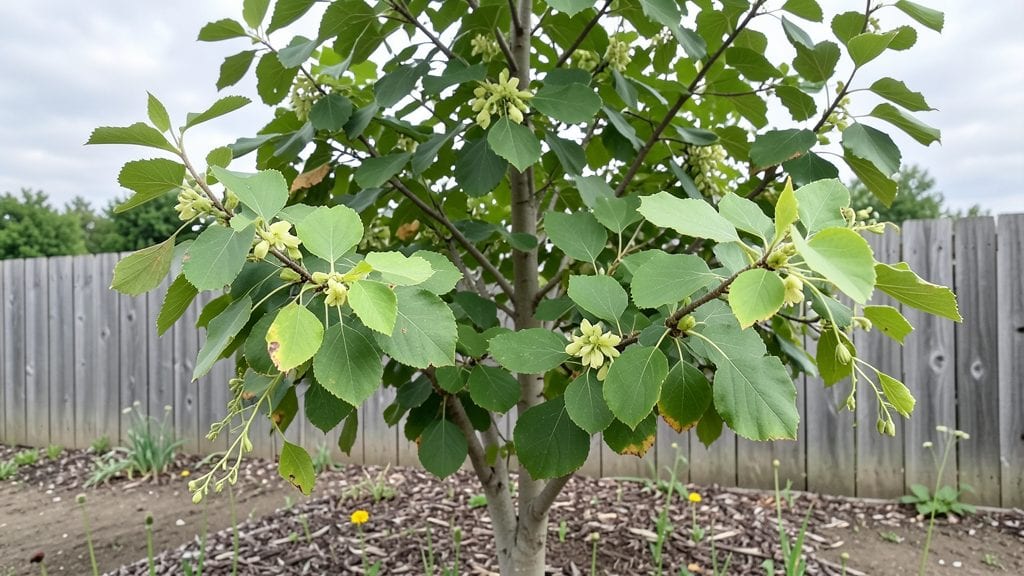
Planting a 25-foot tree isn't just about height—it's about creating a living wall that blocks noise, filters air, and frames your backyard like a natural masterpiece. I learned this the hard way when my first fast-growing tree outpaced its neighbors, casting awkward shadows and leaving no room for future plants.
The right species, though, can transform a bare spot into a lush, functional privacy screen in just three seasons.
You’ll need space—15 to 20 feet from structures and other trees—and soil that drains well but holds moisture. Fast growers like leucadendron, green ash, or river birch deliver results without decades of waiting, but their needs vary.
Some thrive in wet soil, others in dry; some love full sun, others prefer dappled shade. I’ve narrowed down the best options for your climate, along with pruning tricks to keep them manageable while they grow.
By year three, you’ll have a towering screen that feels like it’s been there forever—dense enough to block views, sturdy enough to support vines or bird feeders, and beautiful enough to be the centerpiece of your outdoor space.
The key is planting at the right time, watering deeply in the first year, and giving it room to establish before it hits its full height. Think of it as a long-term investment in both privacy and curb appeal.
Works for urban backyards, rural borders, or even large containers if you choose the right dwarf varieties. Here’s how to pick the perfect tree for your space—and keep it thriving for decades to come.
📚 In This Guide
- What you need
- Instructions
- Tips and common mistakes
- Wrapping up and next steps
What you need
- ● Tree(s): 1–3 25-foot mature height trees (or 3–5 10–15 ft. young trees for faster growth). Species options: Leyland Cypress, Thuja Green Giant, Bamboo (clumping), or Hybrid Poplar (check local climate suitability).
- ● Planting Hole: 1 hole per tree, 3x wider and as deep as the root ball.
- ● Loamy, well-draining soil (amend with compost if needed).
- ● Tools: 1 shovel or spade (for digging).
- ● 1 wheelbarrow (for soil/amendments).
- ● 1 gloves (garden-grade, size medium/large).
- ● 1 watering can or hose (with adjustable nozzle).
- ● 1 pruning shears (for shaping young trees).
- ● 1 measuring tape (to mark spacing: 6–10 ft. apart for multiple trees).
- ○ Soil Amendments (Optional but Helpful): Compost or peat moss (1–2 bags, 5–10 lbs each).
- ● Slow-release fertilizer (e.g., 10-10-10 NPK, 1–2 lbs per tree).
- ● 📅 Timing: Plant in early spring or fall (avoid extreme heat/cold).
- ● 🌡️ Climate Check: Verify your USDA Hardiness Zone—some trees (like Leyland Cypress) thrive in Zones 6–10.
- ● 🚫 Avoid: Planting near power lines, sidewalks, or foundations (root damage risk!).
- ● ✨ Bonus: Mulch 3 inches deep around the base (keep 6" away from trunk) to retain moisture.
Step-by-step instructions for planting a 25-Foot privacy tree
Here's how to establish a fast-growing, towering screen that reaches maturity in just three seasons.
Select and Prepare the Planting Site
Choose a location with at least 8 hours of sunlight daily—this ensures rapid vertical growth. Test the soil pH to confirm it falls between 6.0 and 7.0, the ideal range for most privacy trees. If your soil is too dense or clay-heavy, mix in 2-3 inches of compost from the list to improve drainage and nutrient availability.
Mark the planting area with stakes to outline a 4-foot diameter circle—this gives roots ample space to spread without competition. Avoid planting near sidewalks or driveways, as mature roots can crack concrete over time. Clear all weeds and grass within this zone, as they’ll compete for water and nutrients during the critical first year.
Dig the Hole and Amend the Soil
Dig a hole twice as wide as the root ball but no deeper—this prevents soil from settling around the roots and suffocating them. For a 5-gallon container tree, the hole should be about 18 inches wide and 12 inches deep. Remove any rocks or debris from the hole before proceeding.
Loosen the native soil at the edges of the hole with a garden fork to encourage root expansion. If your soil is sandy, mix in 1 part peat moss to retain moisture; if it’s clay-based, blend in 1 part perlite to improve aeration. This step is crucial—skipping it can stunt growth by up to 30% in the first year.
Plant the Tree at the Correct Depth
Gently remove the tree from its container and tease apart any circling roots at the bottom. Position it in the hole so the top of the root ball sits level with the surrounding soil—planting too deep can cause root rot, while planting too shallow exposes roots to drying out. Fill the hole with amended soil, tamping lightly every 2 inches to eliminate air pockets.
Water deeply to settle the soil around the roots, then add a 2-inch layer of mulch over the entire planting area (excluding the trunk). Mulch helps retain moisture and regulates soil temperature, which is especially important during hot summers. Keep the mulch 6 inches away from the trunk to prevent rot.
Water and Fertilize for Rapid Growth
Water the tree twice weekly for the first month, providing 1-2 gallons per watering to ensure roots establish quickly. After the first month, reduce to once weekly unless rainfall is insufficient. You’ll know the tree is getting enough water when the top 6 inches of soil stay consistently moist but not soggy.
Apply a slow-release fertilizer at planting time, following the package instructions for 25-foot trees. Reapply fertilizer in early spring and mid-summer to support the tree’s rapid height increase. Avoid over-fertilizing—excess nitrogen can lead to weak, leggy growth instead of strong, sturdy stems.
Prune and Protect for Optimal Development
Prune the tree in early spring to remove any dead, broken, or crossing branches. Use clean, sharp pruners to make cuts just above a leaf node or bud. Avoid heavy pruning—removing more than 20% of the foliage can slow growth and reduce the tree’s ability to create a dense screen.
Install a tree guard to protect the trunk from animals and lawn equipment. This is especially important for young trees, as damage to the bark can introduce pests or diseases. Monitor the tree regularly for signs of stress, such as yellowing leaves or wilting, and adjust watering or sunlight exposure as needed.
Tips & tricks for planting a towering privacy screen
These insights will help you maximize your tree's growth potential and avoid common planting pitfalls that could set back your privacy goals.
Sunlight Optimization: While the instructions specify 8 hours of sunlight, I've found that positioning your tree slightly north of the ideal spot can actually work better in hot climates. This prevents afternoon sunburn on young leaves while still maintaining the full 8 hours. Watch for leaf scorch—if edges turn brown, you might need to adjust the position slightly east or west.
Root Ball Preparation: Before planting, soak the root ball in water for 30-60 minutes to ensure it's fully hydrated. This step is crucial because dry roots can take weeks to rehydrate once planted. For container-grown trees, gently squeeze the root ball—if it feels lighter than expected, it needs more water. I've seen trees planted with dry root balls struggle for the entire first season.
Soil Amendment Strategy: When amending the soil, I recommend mixing the peat moss or perlite directly into the native soil rather than creating layers. This ensures even distribution throughout the planting hole. For clay-heavy soils, consider adding a small amount of coarse sand (about 1 part sand to 3 parts soil) to further improve drainage. This blend helps prevent compaction around the roots.
Watering Technique: During the first month, I've had the most success using a soaker hose set to deliver 1-2 gallons over 20-30 minutes per watering. This slow, deep watering encourages roots to grow downward rather than staying concentrated near the surface. Always water at the base of the tree rather than overhead to prevent fungal diseases that can develop on wet foliage.
Pro Tips for 25 Ft Tree
- These insights will help you maximize your tree's growth potential and avoid common planting pitfalls that could set back your privacy goals.
- Sunlight Optimization: While the instructions specify 8 hours of sunlight, I've found that positioning your tree slightly north of the ideal spot can actually work better in hot climates.
- Root Ball Preparation: Before planting, soak the root ball in water for 30-60 minutes to ensure it's fully hydrated.
Frequently asked questions
Got questions about growing a 25-foot tree for privacy? You’re not alone! Here are some common concerns—and their answers—to help you plan with confidence.
How long does it take for a 25-foot tree to grow that tall?
A fast-growing tree like the Leyland Cypress or Thuja Green Giant can reach 25 feet in 3–5 years with proper care. Slower growers (e.g., Eucalyptus) may take 7–10 years. Check the species tag for exact timelines!
Do I need to water a 25-foot tree daily?
No—deep watering 2–3 times per week (or weekly in rainier climates) is enough for young trees. Once established (after 2–3 years), most trees need water only during droughts. Mulch helps retain moisture!
Will a 25-foot tree block sunlight for my yard?
Yes! Evergreens like Arborvitae or Pine cast dense shade, while deciduous trees (e.g., Silver Maple) let light through in winter. Space trees 10–15 feet apart for balanced coverage without total darkness.
How do I prune a 25-foot tree safely?
Use a pole pruner or hire a professional for heights over 10 feet. Prune in late winter/early spring to avoid stressing the tree. Remove dead branches first, then thin out crowded growth for airflow.
What’s a good alternative if I don’t have space for a 25-foot tree?
Consider fast-growing shrubs like Bamboo (15–20 ft) or Holly (10–15 ft) for shorter privacy. For vertical space, Clematis vines on a trellis can reach 20+ feet without bulk!
Wrapping up and next steps
Growing a 25-foot tree as a privacy screen in just three years is an ambitious yet achievable goal with the right species, care, and patience.
Whether you choose a fast-growing evergreen like Leyland cypress or a deciduous option like hybrid poplar, consistency in watering, pruning, and soil health will make all the difference. Your lush, towering green wall isn’t just a dream—it’s a project worth celebrating!
Ready to get started? Pick your tree, mark your calendar for planting, and watch your backyard transform into a serene, private oasis. 🌳✨