
Trees
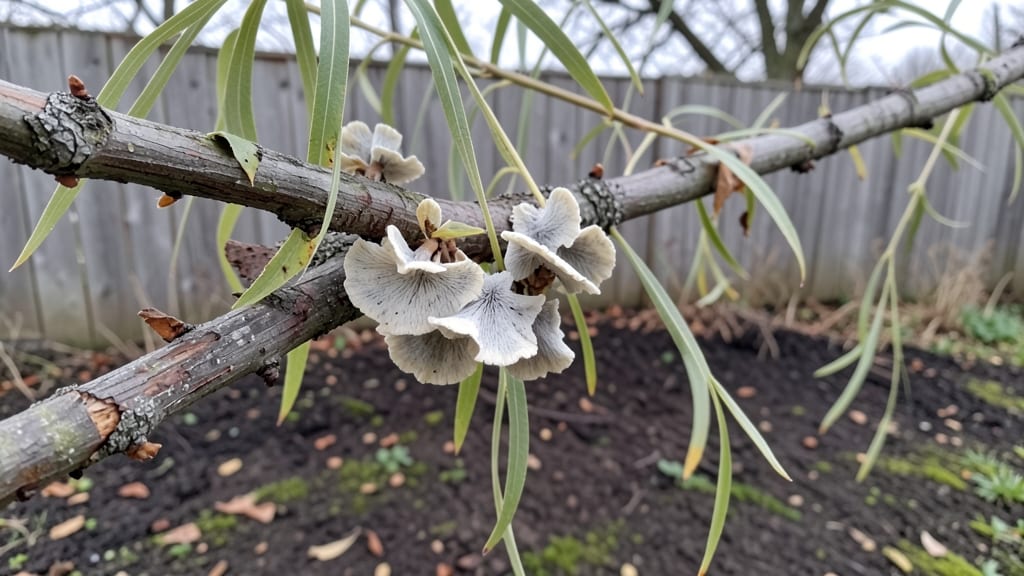
Willow tree fungus can turn your graceful riverside beauty into a sad, spotty mess if you don’t catch it early. 🌿 I’ve watched willows go from lush and vibrant to struggling with blackened leaves and oozing cankers—until I learned the right steps to stop it in its tracks.
The good news? Most fungal problems on willows respond well to simple fixes once you know what to look for.
Fungus thrives when willows get too wet, especially in low-lying areas where air doesn’t circulate. Those dark spots on leaves? Probably anthracnose or leaf spot. The crusty white powder? Powdery mildew.
And if you see sunken, oozing patches on branches, that’s likely a canker—all signs your tree’s trying to tell you something. Pruning out infected branches early can save your willow from worse damage down the road.
You’ll start seeing improvement within weeks after treating the right spots with fungicide or copper spray, and your willow’s new growth will stay strong. The key is acting fast—once fungus spreads, it’s harder to reverse.
I’ve brought back willows that looked nearly dead just by cleaning up debris, improving drainage, and applying the correct treatment at the right time.
For stubborn cases or large trees, calling in an arborist makes sense—especially if the fungus keeps coming back. But for most gardeners, this is a problem you can tackle yourself with the right knowledge. Let’s get your willow back to its healthy, weeping glory.
Root Causes Of Tree Fungus
Fungal infections in willow trees—like Verticillium wilt, Canker disease, or root rot—don’t appear out of nowhere. They thrive when specific conditions align, often tied to environmental stress, poor tree health, or even human activity.
Understanding these triggers helps you take action before fungi take hold. Let’s break down the key reasons why willow trees become susceptible.
Willow trees, like all plants, rely on a strong immune system to fend off pathogens. When their defenses weaken, fungi exploit the opportunity.
- Nutrient Deficiencies 🌿 Lack of essential nutrients—especially nitrogen, potassium, or micronutrients like magnesium—stresses willows, making them more vulnerable. Signs: Yellowing leaves (chlorosis), stunted growth, or sparse foliage.
- Actionable fix: Conduct a soil test and amend with organic matter (compost, well-rotted manure) or targeted fertilizers.
- Water Stress 💧 Both overwatering and drought weaken willows. Soggy soil invites Phytophthora (a water-loving fungus), while drought stress cracks bark, creating entry points for Cytospora canker.
- Actionable fix: Ensure proper drainage (raised beds, mulch) and water deeply but infrequently (1–2 inches per week).
- Physical Damage ⚔️ Cuts from pruning, storm wounds, or animal activity break the tree’s protective bark layer. Fungi like Hypoxylon canker enter through these openings.
- Actionable fix: Prune during dormant season (late fall/winter), use sterilized tools, and seal large wounds with pruning sealant.
Fungi love moisture, warmth, and stagnant air—conditions that willow trees often encounter in their native wetlands or urban plantings.
- High Humidity & Poor Airflow 🌀 Dense foliage or crowded plantings trap moisture, creating a fungal paradise. Anthracnose and powdery mildew flourish in these conditions.
- Actionable fix: Thin out branches to improve airflow, avoid overhead watering, and prune lower limbs to reduce humidity near the trunk.
- Wet Soil & Poor Drainage 🏞️ Willow trees in waterlogged soil (common in their natural habitats) are prone to root rot caused by fungi like Armillaria or Fusarium.
- Actionable fix: Plant willows in well-draining soil, avoid compacted clay, and consider raised beds if your area has heavy rainfall.
- Warm, Damp Seasons ☀️💦 Spring and fall—when temperatures hover around 60–80°F and rainfall is frequent—are peak fungal spread times. Canker diseases thrive in these conditions.
- Actionable fix: Monitor trees during these seasons, remove infected debris promptly, and apply fungicidal sprays (copper-based or neem oil) as a preventive measure.
Fungi don’t just appear; they hitchhike on tools, wind, water, or even other infected plants.
- Contaminated Tools or Soil 🔪 Pruning shears, saws, or even gardening gloves can transfer fungal spores from one tree to another.
Soil from infected areas may also spread pathogens. - Actionable fix: Sterilize tools with rubbing alcohol (70%+) between uses, avoid working when leaves are wet, and replace topsoil in heavily infected areas.
- Wind & Splashing Water 🌬️💦 Wind carries fungal spores (like powdery mildew) over long distances, while rain splashes spores from the ground onto leaves and bark.
- Actionable fix: Space willow trees 10–15 feet apart to reduce windborne spread, and water at the base (not overhead) to limit spore dispersal.
- Infected Mulch or Plant Debris 🍂 Leaving fallen leaves, twigs, or diseased wood near the tree creates a fungal buffet. Canker fungi often overwinter in decaying material.
- Actionable fix: Clear fallen debris yearly, compost healthy leaves only, and avoid mulching with wood chips from infected trees.
Some fungi don’t act alone—they team up with pests to weaken willows further.
- Bark Beetles & Borers 🪲 Insects like Sirex woodwasps or emerald ash borers (though not willow-specific) create tunnels that invite fungal infections like blue stain fungus.
- Actionable fix: Inspect trees for exit holes or sawdust-like frass, and treat with insecticidal soaps or beneficial nematodes if pests are present.
- Root-Feeding Insects 🐜 Grubs or larvae feeding on roots reduce the tree’s ability to absorb water and nutrients, making it susceptible to root rot.
- Actionable fix: Apply nematicides or milky spore bacteria to control grubs, and encourage beneficial insects like ground beetles.
Even well-intentioned planting mistakes can set the stage for fungal infections.
- Planting Too Deep or Improperly 🌱 Burying the graft union (on grafted willows) or planting too deep suffocates roots, leading to stress and fungal entry points.
- Actionable fix: Plant willows at the same depth as their nursery container, with the root flare (where roots meet trunk) slightly above soil level.
- Using Infected Nursery Stock 🚫 Buying willow trees with pre-existing fungal infections (like canker) ensures the problem starts at planting.
- Actionable fix: Purchase from reputable nurseries, inspect roots and bark for signs of disease, and quarantine new trees for 2–3 weeks before planting.
Fungal issues in willow trees rarely strike healthy, well-cared-for specimens. By addressing nutritional needs, environmental conditions, contamination risks, and planting practices, you can dramatically reduce their chances of taking hold. The next step? Learn how to treat existing infections before they spread.
Fixing Fungal Issues in Willow Trees
Fungal infections in willow trees can be frustrating, but with the right approach, you can restore your tree’s health and prevent future outbreaks. Below are practical, step-by-step solutions tailored to common causes—from overwatering to poor air circulation—along with prevention tips to keep your willow tree thriving.
If your willow tree is soggy at the roots, root rot (often caused by Phytophthora or Armillaria) can set in quickly. Here’s how to revive and protect your tree:
- 🔥 Stop Watering Immediately
- Willow trees hate "wet feet." Pause irrigation and let the soil dry out.
- Pro Tip: 💡 Use a moisture meter to check soil dampness before watering again.
- 👨🍳 Improve Soil Drainage
- Dig a 6-inch trench around the base (but not touching the trunk) and fill it with gravel or coarse sand to redirect excess water.
- For heavy clay soil, mix in compost or perlite to loosen it.
- ⏰ Prune Damaged Roots (If Severe)
- If the tree is wobbly or oozing sap, root rot may have spread. Consult an arborist to safely trim affected roots.
- Warning: ⚠️ Never prune above ground without assessing root health first—it can stress the tree further.
- 🌡️ Apply Fungicide (Last Resort)
- Use a copper-based or phosphite fungicide (like Aliette) if rot persists. Follow label instructions carefully.
Prevention Tips: ✅ Test your soil—willows prefer moist but well-drained soil. Amend if needed. ✅ Install a French drain if your yard floods frequently. ✅ Mulch properly—keep mulch 3–4 inches deep and 6 inches away from the trunk to avoid moisture buildup.
Yellowing leaves, black spots, or powdery coatings? Leaf fungi (like Marssonina or Septoria) thrive in humid conditions. Fight back with:
- 🍳 Prune Infected Foliage
- Remove all diseased leaves and dispose of them in the trash (not compost).
- Pro Tip: ✨ Sterilize pruners with rubbing alcohol between cuts to prevent spread.
- 🔪 Thin the Canopy
- Overcrowded branches trap moisture. Open up the tree by pruning 10–20% of dense growth to improve airflow.
- 🌡️ Apply Fungicide Proactively
- Spray with a neem oil or sulfur-based fungicide (like Daconil) every 7–14 days during wet seasons.
- Best Time: 🎯 Early morning or late evening to avoid burning leaves.
- 💡 Adjust Watering Habits
- Water deeply but less frequently (1–2 inches per week) to avoid leaf wetness.
- Avoid overhead sprinklers—they promote fungal spores.
Prevention Tips: ✅ Plant willows in full sun—fungi love shade and humidity. ✅ Space trees 15–20 feet apart to reduce competition and improve airflow. ✅ Clean up fallen leaves regularly to remove fungal spores.
Cankers (sunken, dead patches on bark) or bark fungi (like Valsa or Nectria) weaken willow trees over time. Act fast:
- 🔪 Prune Out Damaged Bark
- Cut 6 inches beyond the canker’s edge at a 45-degree angle to healthy tissue.
- Pro Tip: 🔥 Use sharp, sterilized tools to prevent spreading the infection.
- 🌡️ Seal Wounds (For Large Cankers)
- Apply pruning sealant (like Tanglefoot Tree Wound Pruning Seal) to wounds over ½ inch wide to block pathogens.
- 👨🍳 Boost Tree Immunity
- Fertilize with compost or slow-release fertilizer (like Osmoote) to strengthen the tree’s defenses.
- Avoid high-nitrogen fertilizers—they encourage soft, fungus-prone growth.
- 🌿 Monitor for Re-infection
- If cankers reappear, the tree may be too stressed. Consider deep root fertilization or mycorrhizal fungi to improve root health.
Prevention Tips: ✅ Avoid wounding bark—use proper pruning techniques and never remove large branches in winter (when trees are dormant). ✅ Inspect trees after storms—broken bark invites fungal entry. ✅ Plant resistant varieties (like Weeping Willow ‘Trichophora’) if fungi are recurrent.
Pests like borers, aphids, or scale insects create entry points for fungi. Break the cycle with:
- 🍳 Introduce Beneficial Insects
- Release ladybugs or lacewings to control aphids (a common fungal vector).
- Pro Tip: 💡 Install a native bee house to encourage pollinators that deter pests.
- 🌡️ Use Horticultural Oil or Soap Spray
- Spray neem oil or insecticidal soap on new growth to smother soft-bodied pests.
- Best Time: Apply in early morning for maximum effectiveness.
- 🔪 Remove Infested Branches
- If borers are present, cut and burn heavily infested wood (do not compost).
- 🌿 Strengthen Tree Health
- Mulch with wood chips (not fresh mulch) to retain moisture without inviting pests.
- Water at the base (not leaves) to avoid attracting sap-sucking insects.
Prevention Tips: ✅ Encourage biodiversity—native plants and birds help control pest populations. ✅ Avoid broad-spectrum pesticides—they kill beneficial insects that fight fungi naturally. ✅ Inspect trees biweekly during growing season for early signs of pests.
Willow trees are resilient but high-maintenance.
To prevent fungal issues year-round: - 📅 Prune in late winter/early spring (before new growth). - 💧 Mulch with cedar or pine straw (resists moisture retention). - 🌿 Test soil pH—willows prefer slightly acidic to neutral (6.0–7.0). - 🌿 Consider a soil drench with mycorrhizal fungi to boost natural defenses.
With these targeted fixes, your willow tree can bounce back—stronger and fungus-free! 🌿💪
Frequently asked questions
What do willow tree fungal infections look like?
Common signs include black or brown leaf spots (often with yellow halos), powdery white coatings (powdery mildew), sunken cankers with oozing sap, or yellowing/browning leaves. These symptoms usually appear during damp spring or fall seasons when fungal spores thrive.
Can willow trees recover from fungus without treatment?
Some mild cases may resolve on their own if conditions improve (like reduced humidity), but severe infections like canker disease or root rot often require intervention. Pruning infected branches and improving drainage can help recovery, but fungicides may be needed for stubborn cases.
Is copper spray safe for willow trees?
Yes, copper-based fungicides are effective and generally safe for willows when used according to label instructions. Apply during dry weather to avoid leaf burn, and alternate with organic options like neem oil for long-term prevention.
How often should I check my willow tree for fungus?
Inspect your tree every 2-4 weeks during growing seasons (spring-fall), focusing on new growth, bark, and undersides of leaves. After heavy rains or storms, check immediately for signs of stress or infection.
Will removing infected branches save my willow?
Pruning out infected branches (cutting 6 inches beyond visible damage) removes the fungal source and prevents spread. Always sterilize tools between cuts to avoid cross-contamination. For large cankers, sealing wounds with pruning sealant helps too.