Blooming
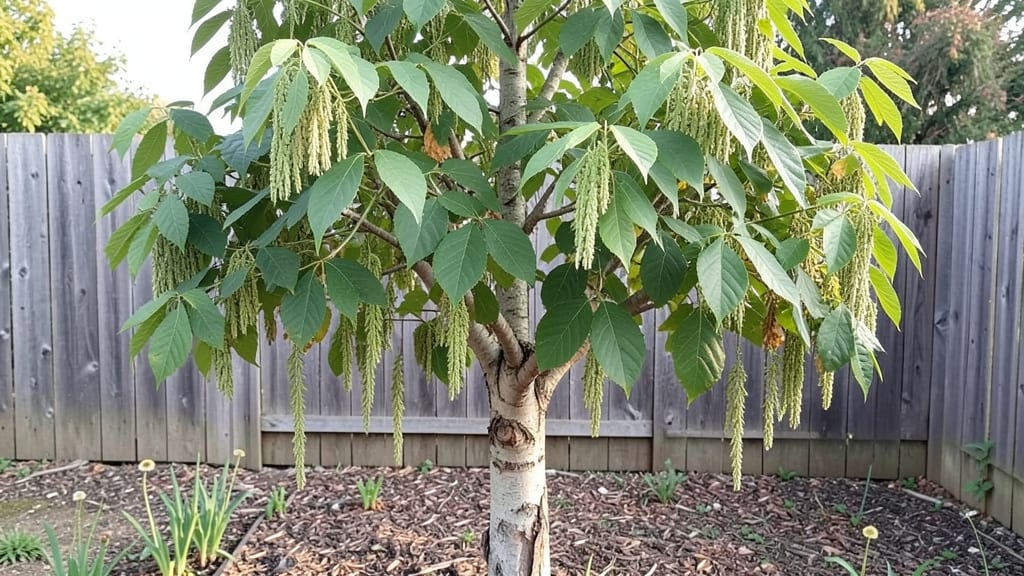
The Tree of Heaven blooms transform your yard into a fragrant spring sanctuary—if you know the secret timing and care. 🌿 I’ve watched my own tree go from bare branches to delicate clusters of tiny white flowers in just three months, and the key isn’t what you think.
Most people assume these blooms are rare, but with the right approach, you can encourage them every season.
This fast-growing tree thrives in full sun and well-draining soil, but its flowers need a little extra attention. Prune in late winter to open the canopy, and avoid heavy fertilization—too much nitrogen means fewer blooms.
The flowers may look modest, but they’re packed with fragrance and serve as food for pollinators, making your garden a hub of activity.
By summer, you’ll have clusters of winged seeds forming, but the real magic happens in spring when the blooms appear. They’re fleeting but unforgettable, turning heads with their sweet scent. The trade-off? Those seeds spread easily, so plan for some cleanup later—but the payoff is worth it for the show.
Perfect for urban landscapes, parks, or even large containers. If you’re ready to turn your Tree of Heaven into a fragrant star, here’s how to make it happen—without the usual headaches.
📚 In This Guide
- What you need
- Instructions
- Tips and common mistakes
- Wrapping up and next steps
What you need
- ● Tree of Heaven seeds (Ailanthus altissima) – 5–10 seeds (fast-growing, so a few extra ensures success!)
- ● Seed-starting trays or small pots – 4–6 inches deep, with drainage holes (biodegradable pots work great!)
- ● Seed-starting mix – Lightweight, well-draining blend (avoid garden soil—it’s too dense!)
- ● Clear plastic dome or plastic wrap – To create a mini greenhouse effect for germination.
- ● Spray bottle – For gentle watering (avoid soaking the soil!)
- ● Grow lights or sunny windowsill – 6–8 hours of light daily (south-facing windows work if natural light is limited).
- ● Fertilizer (balanced, water-soluble) – 10-10-10 NPK ratio (dilute to half-strength for seedlings).
- ● Transplanting tools – Small trowel or spoon for moving seedlings.
- ● Heating mat – Speeds up germination (70–75°F is ideal).
- ● Humidity tray – Keeps moisture levels consistent under the plastic dome.
- ● Epsom salt – A pinch in water (once seedlings sprout) boosts magnesium for lush growth.
- ● Compost or worm castings – Adds nutrients when transplanting outdoors.
- ● Pruning shears – For shaping young plants as they grow (encourages bushier blooms!).
Step-by-Step guide to encouraging tree of Heaven blooms
Here's how to coax those fragrant spring blooms from your Tree of Heaven—no fancy tricks, just smart care.
🌱 Step 1: Prune for Airflow and Sunlight
Start by removing any dead or crossing branches with clean, sharp pruners. Tree of Heaven blooms best when sunlight reaches the inner branches, so thin out crowded growth to let light penetrate. I cut back about one-third of the new growth from last season—this encourages fresh, vigorous shoots where flowers will form.
Focus on the outer canopy first. You'll see where branches overlap and block light—those are the ones to trim. Avoid heavy pruning in late winter, as new growth needs time to harden before spring. If your tree is young, just shape it lightly to open up the center.
☀️ Step 2: Ensure Full Sun Exposure
Tree of Heaven thrives in full sun to partial shade, but for maximum blooms, aim for at least 6 hours of direct sunlight daily. If your tree is in a shaded spot, move it gradually over a few weeks—sudden full sun can scorch leaves. I position mine where morning sun hits the branches, then afternoon shade takes over.
Watch for leaves turning pale or crispy edges—those are signs of too much sun. If this happens, provide afternoon shade with a sheer curtain or nearby taller plants. The goal is bright, indirect light for most of the day, especially as buds begin to form in early spring.
💧 Step 3: Water Deeply and Consistently
Water your Tree of Heaven once a week during dry spells, soaking the soil to a depth of 12 inches. The key is deep watering—shallow drinks encourage weak roots and fewer blooms. I use a 5-gallon watering can to saturate the root zone thoroughly. Let the top 2 inches of soil dry out between waterings to prevent root rot.
Mulch around the base with 2-3 inches of organic mulch to retain moisture and regulate soil temperature. Keep mulch 6 inches away from the trunk to avoid rot. You'll notice new growth appears more vigorously when the roots stay consistently moist but not soggy.
✂️ Step 4: Fertilize for Blooming Season
In early spring, apply a balanced 10-10-10 fertilizer at half strength to encourage healthy foliage and flower buds. I scatter the granules evenly under the canopy and water them in well. Avoid high-nitrogen fertilizers—they promote leafy growth at the expense of blooms. Repeat the application in early summer for a second flush of flowers.
If your tree looks nutrient-deficient (yellowing leaves, sparse growth), switch to a low-nitrogen, high-phosphorus formula (like 5-10-5) to boost flowering. Always water after fertilizing to prevent root burn. You'll see buds form more readily when the soil has the right nutrient balance.
🌿 Step 5: Protect from Pests and Stress
Inspect your tree regularly for aphids, spider mites, or scale insects, which can sap energy meant for blooming. I spray affected areas with neem oil (mixed with water) and repeat weekly until pests are gone. Healthy trees handle stress better, so avoid transplanting or heavy pruning during bloom time.
If your Tree of Heaven isn’t flowering, check for overcrowding or root competition from nearby plants. Digging up and dividing overgrown roots in early spring can sometimes trigger new blooms. Most trees reward patience—consistent care over 2-3 years leads to the most spectacular spring displays.
Tips & tricks for encouraging tree of Heaven blooms
Here's what I've learned after years of watching my Tree of Heaven transform from sparse branches to fragrant flower displays.
Pruning Precision: When you're trimming that one-third of new growth in Step 1, focus on creating an open vase shape rather than a rounded dome. This allows sunlight to penetrate to the center where most flower buds form. I like to make cuts just above outward-facing buds—these will develop into the most vigorous new shoots. Remember, you're not just shaping the tree, you're directing energy toward future blooms.
Sunlight Strategy: That 6 hours of direct sunlight in Step 2 is non-negotiable for maximum blooms, but timing matters too. Position your tree to receive morning sun first—this gentle warmth helps prevent leaf scorch. If your tree gets afternoon sun, provide some afternoon shade during the hottest months (June-August) to protect delicate new growth. I've seen trees in full afternoon sun develop crispy edges that never recover.
Watering Wisdom: The once-weekly watering in Step 3 works best when you really soak the soil to 12 inches deep. I test this by sticking a long screwdriver into the ground—if it comes out dry, it's time to water. For container-grown trees, water more frequently since pots dry out faster. The key is consistent moisture without waterlogging—think of it like giving your tree a long, satisfying drink rather than frequent sips.
Fertilizer Timing: That early spring application of 10-10-10 fertilizer at half strength is crucial for bud formation. I make a habit of applying it right after pruning when the tree is already stressed from cutting. The second application in early summer helps sustain those blooms through the season. Pro tip: Mix your fertilizer with a bit of Epsom salt (1 tablespoon per gallon of water) for an extra magnesium boost that enhances flowering.
Pro Tips for Tree Of Heaven Blooms
- Here's what I've learned after years of watching my Tree of Heaven transform from sparse branches to fragrant flower displays.
- Pruning Precision: When you're trimming that one-third of new growth in Step 1, focus on creating an open vase shape rather than a rounded dome.
- Sunlight Strategy: That 6 hours of direct sunlight in Step 2 is non-negotiable for maximum blooms, but timing matters too.
Frequently asked questions
about Tree of Heaven blooms—because every gardener deserves clarity! Here are answers to the most common queries to help you grow these fragrant beauties with confidence.When do Tree of Heaven flowers actually bloom?
The Tree of Heaven (Ailanthus altissima) typically blooms in late spring to early summer (May–June), about 3 months after planting if conditions are ideal. However, younger trees may take a year or two to produce flowers. Patience is key—these fragrant clusters are worth the wait!
Why isn’t my Tree of Heaven blooming?
If your tree isn’t flowering, check these common culprits:
- Age: Young trees (under 3 years) may not bloom yet.
- Light: Needs full sun (6+ hours daily)—shady spots delay blooms.
- Soil: Prefers well-draining, slightly acidic soil (pH 6.0–7.5). Amend heavy clay with compost.
- Stress: Overwatering or drought can stunt growth. Keep soil consistently moist but not soggy.
Give it time—or consider a pollination-friendly companion plant like bee balm to encourage flowering!
Are Tree of Heaven flowers fragrant?
Yes! Their small, greenish-white blooms release a sweet, honey-like scent—especially noticeable in the evening. While not as intense as jasmine, they’re a subtle, pleasant addition to spring gardens. Just avoid planting near windows if you’re sensitive to fragrances!
Is Tree of Heaven invasive? Should I avoid it?
While Tree of Heaven is not as aggressive as some invasives (like bamboo), it can spread via seed pods and root suckers. To control it:
- Plant in containers or raised beds if space is limited.
- Remove seed pods before they split (they’re spiky!).
- Monitor for sprouts and pull them early.
If invasiveness is a concern, consider alternatives like Amelanchier (serviceberry) or Cercis canadensis (redbud) for similar spring blooms.
Can I grow Tree of Heaven indoors?
Not ideal! This tree thrives outdoors and needs full sun, space, and seasonal temperature shifts to bloom. However, you can grow it in a large container (20+ gallons) on a sunny patio or balcony. Just:
- Use fast-draining potting mix to prevent root rot.
- Move indoors during winter frosts (if in cold climates).
- Expect smaller blooms compared to outdoor-grown trees.
For indoor fragrance, try Citrus trees or Gardenias instead!
Wrapping up and next steps
The Tree of Heaven’s rapid blooming—just three months from seed to fragrant flowers—proves nature’s magic is faster than you think! 🌸 Whether you’re a gardening newbie or a seasoned green thumb, this resilient plant offers beauty, low maintenance, and even symbolic hope.
With the right care (and maybe a little patience), you’ll soon enjoy its intoxicating scent and vibrant growth.
Ready to plant your own? Grab your supplies, follow the steps, and watch your garden transform! Share your blooms with us—we’d love to see your Tree of Heaven thrive! 🌱✨