
Trees
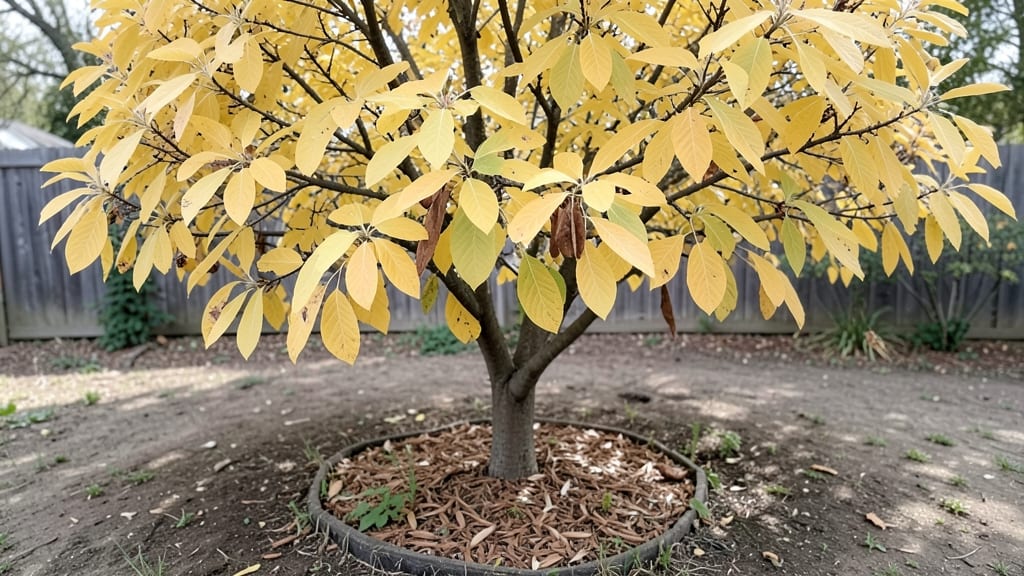
Finding sun-tolerant trees that thrive in scorching heat was my breakthrough after losing three shade trees to drought last summer. These hardy species don't just survive—they flourish with minimal water, turning your yard into a lush oasis without the constant fuss.
The key is choosing native varieties like live oaks or desert willows that evolved for extreme conditions, not just any tree labeled "drought-resistant."
Most people assume sun-tolerant means "no shade," but these trees actually prefer 6+ hours of direct sun daily while still handling heat waves better than their thirsty counterparts.
You'll need well-draining soil (sandy loam works best) and a deep watering schedule—once every 2-3 weeks after establishment—rather than frequent shallow watering. Pruning in late winter keeps their energy focused on root growth, not repair.
What you'll end up with is a shade canopy that stays green through 100-degree days, plus wildlife benefits from their flowers and fruits. My desert willow now blooms every spring, attracting hummingbirds while my oak provides year-round shade that cools the entire backyard.
The best part? Once established, they rarely need extra water beyond natural rainfall.
These trees adapt to different climates—from Arizona's Sonoran Desert to Texas Hill Country—so check your hardiness zone first. The wrong species in the wrong place still struggles, even if it's "sun-tolerant." Start with one or two to test your soil and microclimate before expanding.
📚 In This Guide
- What you need
- Instructions
- Tips and common mistakes
- Wrapping up and next steps
What you need
- ● Sun-tolerant tree seedlings or saplings: 1–3 trees (quantity depends on spacing needs; e.g., 15–25 ft apart for mature height)
- ● Species: Mulberry, Mesquite, Palo Verde, or Desert Willow (check local climate suitability)
- ○ Soil amendments (optional but recommended): 5–10 lbs of compost or organic matter per tree (improves drainage and moisture retention)
- ● 1 lb of slow-release fertilizer (10-10-10 or similar, for nutrient boost)
- ● Mulch: 2–3 cubic feet of wood chips or gravel mulch (3–4 inch layer around the base)
- ● Tools: Shovel or trowel (for digging)
- ● Garden gloves (to protect your hands!)
- ● Watering can or hose with a soaker nozzle (for deep watering)
- ● Measuring tape (to mark planting spots)
- ● Pruners (for trimming dead branches post-planting)
- ● Location: Full-sun exposure (6+ hours of direct sunlight daily)
- ● Soil test: Check pH and drainage (6.0–7.5 ideal; amend if needed)
- ● Water source: Access to a hose or irrigation system for initial watering
- ● Local regulations: Verify if permits are needed for large trees or native species
Instructions for planting sun-tolerant trees in hot climates
Here’s how to establish drought-resistant trees that thrive under intense sun and heat.
Select the Right Species for Your Climate
Choose trees proven to handle your region’s heat and drought. Mesquite, palo verde, and desert willow are excellent choices—they’ve evolved to store water in their trunks and leaves, making them resilient. Check your USDA hardiness zone to ensure the species you pick can survive winter lows while enduring summer highs.
If you’re unsure, observe mature trees in your area. Trees with silvery or gray-green foliage often indicate drought tolerance, as their leaf coating reduces water loss. Avoid species with broad, dark leaves unless you’re willing to provide supplemental water during extreme heat waves.
Prepare the Planting Site for Maximum Survival
Dig a hole twice as wide as the tree’s root ball but no deeper. This encourages roots to spread horizontally, which is critical for stability and water absorption in hot climates. Loosen the soil at the bottom of the hole with a shovel or your hands to remove compaction.
Mix the excavated soil with 2-3 inches of compost to improve drainage and nutrient retention. Avoid amending with heavy organic matter like manure, which can attract pests or cause root rot. Water the hole thoroughly 24 hours before planting to settle the soil and reduce transplant shock.
Plant at the Correct Depth and Stake for Support
Place the tree in the hole so the top of the root ball sits 1-2 inches above ground level. Backfill with native soil, tamping lightly to remove air pockets but not compacting the roots. If staking is needed, use two stakes positioned diagonally and tie the tree loosely with soft fabric strips to prevent girdling as it grows.
Water deeply after planting to encourage roots to expand into the surrounding soil. Mulch the base with 2-3 inches of wood chips or gravel, keeping it 6 inches away from the trunk to prevent moisture buildup. This mulch layer helps retain soil moisture and regulate temperature around the roots.
Establish a Watering Schedule for the First Year
Water newly planted trees deeply once a week during the first growing season, providing 10-15 gallons per inch of trunk diameter. For example, a tree with a 3-inch trunk should receive 30-45 gallons weekly. Use a soaker hose or drip irrigation to deliver water slowly at the root zone, avoiding wetting the foliage.
After the first year, gradually reduce watering as the tree develops deeper roots. Mature sun-tolerant trees often need no supplemental water once established, but monitor soil moisture during prolonged dry spells. Press your finger 2 inches into the soil—if it feels dry, water again.
Prune and Monitor for Long-Term Health
Prune only to remove dead, diseased, or crossing branches in the first year. Avoid heavy pruning, which stresses the tree and reduces its ability to photosynthesize. Use sterilized tools to make clean cuts just outside the branch collar. Seal larger wounds with pruning sealant to prevent disease entry.
Watch for signs of stress, such as yellowing leaves or wilting, which may indicate overwatering or root damage. Sun-tolerant trees often drop leaves during extreme heat as a survival mechanism—don’t panic. If the tree regains vigor after a few weeks, it’s likely adjusting to its environment.
Tips & tricks for planting sun-tolerant trees in hot climates
Establishing drought-resistant trees requires attention to detail—here’s how to avoid common pitfalls and maximize success in your hot climate.
Species Selection Insight: Beyond mesquite, palo verde, and desert willow, consider native shrubs like Texas ebony or Texas mountain laurel for smaller spaces—they offer similar resilience with less water demand. I’ve found that trees with compound leaves (like those of palo verde) often perform better in extreme heat because their leaf structure reduces water loss more efficiently than simple leaves.
Soil Preparation Strategy: The 24-hour pre-watering of the planting hole is critical—it helps eliminate air pockets that could suffocate new roots. I recommend adding a slow-release fertilizer to the compost mix during Step 2, which provides essential nutrients without overwhelming the tree. This is especially important in hot climates where soil microbes break down organic matter more quickly.
Planting Depth Technique: When positioning the root ball in Step 3, press gently on the soil around the edges to ensure good contact with the native soil. This creates a stronger bond between the root ball and surrounding earth, which is vital for stability in windy conditions. I’ve seen trees topple when planted too shallowly—always verify the 1-2 inch elevation above ground level with a level tool for accuracy.
Watering Precision: For the weekly watering schedule in Step 4, I use a rain gauge to measure exactly 10-15 gallons per inch of trunk diameter. This precision prevents both underwatering and overwatering, which are the two most common mistakes in arid climates. Consider installing a moisture sensor near the root zone to monitor soil conditions between waterings—this helps you adjust your schedule based on real-time data rather than relying on memory.
Pro Tips for Sun Tolerant Trees
- Establishing drought-resistant trees requires attention to detail—here’s how to avoid common pitfalls and maximize success in your hot climate.
- Species Selection Insight: Beyond mesquite, palo verde, and desert willow, consider native shrubs like Texas ebony or Texas mountain laurel for smaller spaces—they offer similar resilience with less water demand.
- Soil Preparation Strategy: The 24-hour pre-watering of the planting hole is critical—it helps eliminate air pockets that could suffocate new roots.
Frequently asked questions
about sun-tolerant trees—because even the toughest landscapes need a little guidance! Whether you're a first-time planter or a seasoned gardener, these answers will help you make the best choices for your hot-climate garden.What are the fastest-growing sun-tolerant trees for hot climates?
If you’re looking for quick shade or privacy, opt for Mulberry (up to 3 feet/year) or Poplar (2–3 feet/year). For slower but sturdy options, Live Oak or Southern Magnolia thrive in heat but grow at a steadier 1–2 feet/year. Balance speed with long-term care—fast growth often means more water early on!
Can sun-tolerant trees survive in poor soil?
Many sun-lovers like Mesquite or Jojoba thrive in rocky, sandy, or clay-heavy soils, but avoid waterlogged areas. Amend soil with compost before planting to boost drainage. For extreme conditions, Desert Willow or Texas Ebony are resilient picks—just water deeply during the first year to establish roots.
How often should I water newly planted sun-tolerant trees?
Deep watering 2–3 times per week for the first year is key, especially in 100°F+ heat. After that, most mature trees (like Pecan or Baobab) need water only every 2–4 weeks, depending on rainfall. Pro tip: Mulch 3–4 inches around the base to lock in moisture and regulate soil temp!
Are there sun-tolerant trees that also provide shade?
Shade Master trees like Sycamore (fast-growing, wide canopy) or Chinese Pistache (drought-resistant + vibrant fall colors) deliver both. For smaller spaces, Dwarf Palmetto offers filtered shade without overwhelming your yard. Just space them 15–25 feet apart for full coverage.
What if my sun-tolerant tree’s leaves turn brown or crispy?
Brown edges often signal underwatering or salt buildup (common in coastal areas). Check soil moisture 2 inches deep—if dry, water deeply. For crispy leaves, reduce fertilizer (too much salt burns roots) and prune damaged branches. Yucca or Olive Trees are forgiving if you adjust care quickly!
Can I plant sun-tolerant trees near my home’s foundation?
Yes, but choose non-invasive roots like Crepe Myrtle or Texas Mountain Laurel. Avoid Willows or Poplars—their aggressive roots can crack foundations. Plant at least 10–15 feet away and monitor for signs of stress (e.g., leaning trunks). Always call 811 before digging to check for utilities!
Wrapping up and next steps
Choosing the right sun-tolerant trees can transform your landscape into a thriving, drought-resistant oasis—even in scorching climates! 🌞 From the hardy Mesquite to the elegant Olive, these trees not only survive but thrive with minimal water, offering shade, beauty, and long-term resilience.
Whether you're a seasoned gardener or just starting, the perfect tree is out there waiting for you.
Ready to take the next step? Research local nurseries or consult a horticulturist to find the best match for your soil and microclimate. Plant with confidence—your future shade (and curb appeal!) will thank you! 🌱