
Trees
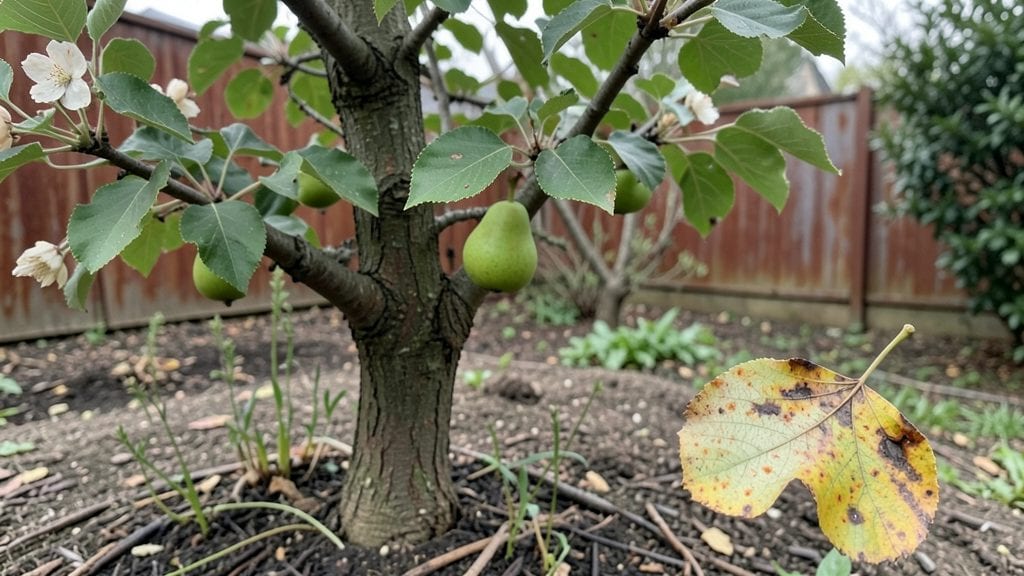
Rust on pear trees turns leaves into unsightly orange pustules and weakens fruit production, but I’ve learned the organic fixes that actually work. 🌿 The moment I spotted those telltale rust-colored spots last spring, I knew my harvest was at risk—until I tried a neem oil spray and mulching routine that stopped the spread in its tracks.
This isn’t just about spraying something random—it’s about timing, prevention, and knowing the difference between rust and other diseases like scab or mildew. I’ll show you the 3-step organic treatment that restores leaf health and protects next year’s crop, plus how to monitor your tree so you catch it early.
By summer’s end, your pear tree will be thriving again, with fewer spots on the leaves and fruit that’s actually worth picking. The key is acting fast—rust spreads when you ignore it, but with the right approach, you can reverse the damage before it’s too late.
Works for home gardeners and orchard owners alike, whether you’re dealing with a single tree or a whole grove. Let’s get your pears back to their healthy, productive selves—without harsh chemicals.
Understanding the Root Causes
Rust on pear trees isn’t just an unsightly blemish—it’s a fungal infection that thrives under specific conditions. By pinpointing the why behind this issue, you can take targeted action to prevent and treat it effectively.
Below, we break down the key factors that turn your pear trees into a fungal buffet.
🌬️ The Silent Invaders Rust fungi (Gymnosporangium spp.) rely on airborne spores to spread. These spores are lightweight and can travel miles on wind currents, especially during wet, mild weather. Once they land on pear leaves, they germinate and penetrate the plant’s surface, starting the infection cycle.
- Key triggers:
- High humidity (above 75% for prolonged periods).
- Rain or overhead irrigation, which splashes spores onto leaves.
- Weakened tree defenses (stress from drought, poor soil, or nutrient deficiencies).
Pro tip: 💡 Monitor local weather forecasts—spores are most active during spring and fall, when temperatures hover between 50–75°F and moisture lingers.
🍃 The Perfect Hideout Tightly packed foliage traps moisture, creating a fungal paradise. Rust spores love damp, shaded conditions where air doesn’t circulate. If your pear tree’s branches are dense or the ground is mulched too thickly near the trunk, you’re inadvertently inviting rust to move in.
- Red flags:
- Leaves staying wet for more than 6 hours after rain.
- Mulch piled too close to the trunk (leave a 2-inch gap).
- Pruning habits that encourage shady, congested growth.
Actionable fix: 🌿 Thin out branches in early spring to improve airflow. Aim for a sunny, open canopy—this disrupts the fungus’s favorite conditions.
🛡️ When Defense Systems Fail Pear trees under stress are like open doors for rust fungi. Poor nutrition, compacted soil, or pest damage (like aphids or mites) weaken the tree’s natural resistance. Without proper care, rust spreads faster and more aggressively.
- Common stress factors:
- Nutrient deficiencies: Low nitrogen, phosphorus, or potassium.
- Water stress: Overwatering (root rot) or underwatering (drought).
- Pest pressure: Sap-sucking insects (e.g., pear psylla) create wounds where spores can enter.
Boost immunity with: ✅ Balanced fertilizer (10-10-10 or organic compost) in early spring. ✅ Deep watering (1–2 inches per week, but avoid soggy soil). ✅ Neem oil sprays to deter pests before they stress the tree.
☀️🌧️ The Perfect Storm Rust fungi don’t just appear—they wait for the right moment. Warm, wet springs (like those in the Pacific Northwest or Midwest) are prime time for outbreaks. Even a single heavy rain after spores land can trigger an epidemic.
- High-risk weather:
- Spring rains (March–May) when new leaves are tender.
- Fall humidity (September–November) as leaves senesce.
- Foggy mornings that keep leaves damp for hours.
Watch for: 🌡️ A 5-day forecast with 3+ inches of rain—this is when spores go into overdrive.
🧹 Neglect Invites Infestations Skipping basic tree care is like rolling out the welcome mat for rust. Without cleaning, pruning, or fungicide applications, infections build up year after year, making eradication nearly impossible.
- Gaps in care:
- Not removing infected leaves (fall cleanup is critical!).
- Ignoring pruning to thin out dense areas.
- Using contaminated tools (sterilize pruners with rubbing alcohol between cuts).
Non-negotiable steps: 🔥 Rake and dispose of fallen leaves twice a year (fall and early spring). 🍳 Sanitize tools before and after pruning. 👨🍳 Apply preventive fungicides (like baking soda spray or copper fungicide) before spores arrive.
Quick Fixes for Fungal Spots
Rust on pear trees isn’t just unsightly—it can weaken your trees and reduce fruit quality. The good news? With the right approach, you can reverse damage, protect future harvests, and keep your orchard thriving—all while staying organic.
Below, we break down targeted solutions based on the root cause of the problem, from immediate cleanup to long-term prevention.
Rust spores thrive in old, infected plant matter, so clearing the area is your first defense.
- 🔥 When to do it: Early spring (before new leaves emerge) and fall (after harvest).
- 👨🍳 How to do it:
- Rake up all fallen leaves, twigs, and fruit mummies (dried, shriveled pears) from under the tree.
- Bag and compost them in a sealed bin (not in the garden—spores can survive and reinfect).
- Prune heavily infected branches (cut ½ inch below the rust spots) and dispose of them in the trash (not compost).
- ✨ Pro Tip: If rust is severe, sterilize pruners with rubbing alcohol between cuts to prevent spreading spores.
A strong, resilient pear tree is less susceptible to rust. Focus on soil, water, and nutrition.
- 💡 Improve Soil Drainage
- Rust spreads faster in waterlogged soil. Amend clay-heavy soil with compost or sand to improve aeration.
- Avoid overwatering—water deeply but infrequently (1–2 inches per week).
- 🍎 Feed with Organic Fertilizer
- Balanced organic fertilizer (like 10-10-10 or compost tea) in early spring promotes vigorous growth.
- Avoid high-nitrogen fertilizers—they encourage soft, rust-prone leaves.
- Add micronutrients (like copper or sulfur) if your soil test shows deficiencies.
- 🌿 Mulch Properly
- Apply 2–4 inches of organic mulch (straw, wood chips) around the base (keep it 6 inches from the trunk).
- Mulch reduces spore splash from soil to leaves during rain.
Once rust appears, prevent spore spread with natural fungicides. Act fast—treat at the first sign of yellow-orange spots.
🔥 Homemade Sprays (Safe & Effective)
| Solution | How to Use | Best Time to Apply |
|---|---|---|
| Baking Soda Spray | Mix 1 tbsp baking soda + 1 tsp dish soap + 1 gallon water. Spray every 7–10 days during wet seasons. | Early spring, after rain, or when rust appears. |
| Neem Oil Spray | Blend 1 tbsp neem oil + 1 tsp mild soap + 1 quart water. Shake well and spray covering both sides of leaves. | Late winter (dormant season) + every 2–3 weeks during growing season. |
| Copper Fungicide | Use liquid copper (1–3%)—follow label rates. Do not use if bees are active (harmful to pollinators). | Early spring (before buds open) + after heavy rain. |
| Milk Spray | Mix 1 part milk + 9 parts water. Spray every 2 weeks for preventive care. | Spring through early summer. |
- 💡 Pro Tip: Spray in the early morning or late evening to avoid harming bees and to allow foliage to dry (preventing fungal growth).
🌡️ Commercial Organic Options
If DIY sprays aren’t cutting it, try:
- Serenade Garden Disease Control (contains Bacillus subtilis, a natural fungus fighter).
- Oil of Oranges (plant-based fungicide, safe for organic gardening).
- Mycorrhizal fungi (soil additives that strengthen root health and reduce disease susceptibility).
The best defense is a consistent, proactive routine. Follow these steps to minimize future outbreaks:
- 🎯 Plant Resistant Varieties
- Some pear cultivars (like ‘Kieffer’, ‘Moonglow’, or ‘Seckel’) are less prone to rust. Check with local nurseries for rust-resistant options.
- 🌧️ Improve Airflow
- Prune trees annually to open the canopy (remove crossing branches).
- Space trees 15–20 feet apart to reduce humidity and spore spread.
- 🐝 Encourage Beneficial Insects
- Ladybugs, lacewings, and parasitic wasps help control pests that weaken trees. Plant dill, fennel, or marigolds nearby to attract them.
- 📅 Follow a Spray Schedule
- Preventive sprays (neem oil or copper) every 2–4 weeks during wet seasons (spring and fall).
- Reapply after heavy rain (fungicides wash off).
If rust spreads rapidly despite your efforts, or if your tree shows severe defoliation or dieback, consult a certified arborist.
They can: - Diagnose secondary infections (like fire blight or powdery mildew). - Recommend targeted treatments (e.g., dormant oil sprays for overwintering spores). - Advise on tree removal (in extreme cases) to protect nearby plants.
Final Reminder: Rust is manageable with early action and organic care. Stay vigilant, keep your trees healthy, and you’ll enjoy abundant, disease-free pears for years to come! 🍐✨
Frequently asked questions
What do rust spots on pear trees look like?
Rust appears as bright orange-yellow pustules on the undersides of leaves, often surrounded by yellow halos. In severe cases, you may also see black telial horns (tubercles) on the upper leaf surface. These spots eventually turn brown and crumble as the spores spread.
Can I still harvest fruit from a rust-infected pear tree?
Yes, but the fruit quality may suffer. Rust primarily affects leaves, not the fruit directly, though severe infections can weaken the tree and reduce yields. Harvest pears as usual, but prioritize treatment to protect next year’s crop and maintain tree vigor.
How often should I apply fungicide sprays?
For prevention, spray every 2-3 weeks during wet seasons (spring/fall) using organic options like neem oil or baking soda. If rust appears, increase frequency to weekly sprays until the infection clears. Always reapply after heavy rain, as fungicides wash off quickly.
Will pruning help control rust on my pear tree?
Prune in late winter/early spring to remove heavily infected branches and improve airflow. Thin out dense areas to reduce humidity, and always sterilize pruners with rubbing alcohol between cuts to prevent spreading spores to healthy parts.
Is rust contagious to other trees in my garden?
Yes, rust spores can spread to nearby plants, especially juniper bushes (their alternate host). The fungus requires two hosts to complete its cycle, so removing infected juniper branches can help break the disease cycle in your landscape.