Orchid Care
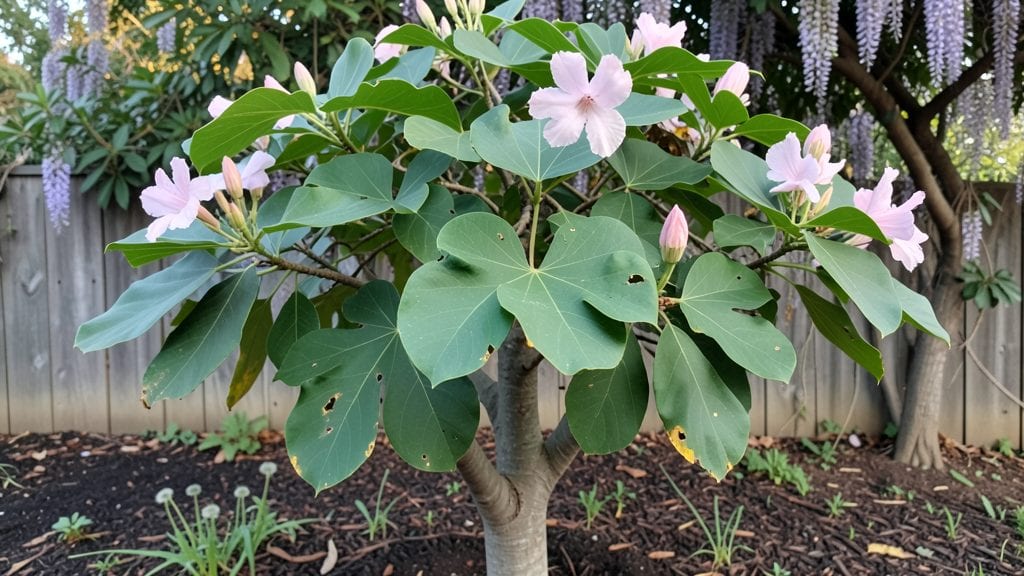
Yellowing orchid tree leaves don’t mean your plant is doomed—it’s just speaking up about its needs. 🌿 I’ve nursed back more than a few of these tropical beauties from sad, yellowing messes to vibrant, blooming showstoppers, and the fixes are simpler than you’d think.
The key is figuring out whether your orchid tree is thirsty, sunburned, or just tired of its pot.
Start by checking the leaves: crispy edges mean too much sun or dry air, while soft yellow patches signal overwatering. Spider mites or aphids leave behind tiny webs or sticky residue—wipe them off with soapy water or blast them away with a strong spray.
Once you identify the problem, the solution is usually just adjusting water, light, or giving it a fresh pot with better drainage.
📚 In This Guide
- What you need
- Instructions
- Tips and common mistakes
- Wrapping up and next steps
What you need
- ● Orchid tree (Bauhinia spp.) – Potted or in-ground (ensure it’s suffering from yellowing leaves).
- ● Well-draining potting mix – 1 bag (1-2 cubic feet) of orchid-specific or cactus/succulent blend (avoid heavy garden soil).
- ● Pruning shears or sharp scissors – Sterilized (rubbing alcohol wipe) to prevent disease spread.
- ● Balanced liquid fertilizer – 1 bottle (20-20-20 NPK ratio) or orchid-specific fertilizer.
- ○ Spray bottle – 8-16 oz, for misting (optional but helpful for humidity control).
- ● Household items for DIY solutions: 1 cup hydrogen peroxide (3%) (for root soak).
- ● 1 tbsp neem oil + 1 tsp mild soap (for fungal/bacterial issues).
- ● Gloves – Nitrile or rubber (to protect hands from sap/fertilizer).
- ○ pH testing kit – Optional but useful (ideal soil pH: 5.5–6.5).
- ● Humidity tray or pebble tray – For low-humidity environments.
- ● Grow lights (LED or fluorescent) – If natural light is <10 hours/day.
- ● Mulch (orchid bark or coconut coir) – 1–2 inches to retain moisture.
Step-by-Step instructions for reviving orchid tree leaves
Here’s how to diagnose and fix yellowing leaves—so your orchid tree bounces back with vibrant foliage.
🌿 Step 1: Check Watering Habits First
Yellowing orchid tree leaves often start with overwatering or inconsistent moisture. Stick your finger 1-2 inches deep into the soil—if it feels damp, hold off on watering. These trees prefer the soil to dry out slightly between waterings. I’ve learned the hard way that soggy roots strangle the plant.
Water only when the top inch of soil feels dry to the touch. Use room-temperature water to avoid shocking the roots. Pour slowly until water runs out the drainage hole—this ensures even moisture without pooling. Empty the saucer afterward to prevent root rot.
☀️ Step 2: Adjust Light Exposure Gradually
Too much direct sun bleaches leaves yellow, while too little causes weak, pale growth. Orchid trees thrive in bright, indirect light. If your plant’s leaves are yellowing near a window, move it 3-4 feet back from the glass. South-facing windows get the harshest light—use sheer curtains to diffuse it.
Watch for new growth: healthy leaves should be glossy and deep green. If leaves still yellow after adjusting light, your plant might need a temporary shade spot for 1-2 weeks while it recovers. Avoid sudden moves—shift the plant’s position slowly over a few days.
💧 Step 3: Fertilize Lightly for Recovery
Yellowing can signal nutrient deficiency, but over-fertilizing burns roots. Use a balanced, water-soluble fertilizer (like 20-20-20) diluted to half-strength. Feed only when the plant shows new growth—this tells me it’s ready to absorb nutrients again.
Apply fertilizer every 4-6 weeks during spring and summer. Skip feeding in fall and winter when growth slows. If your orchid tree’s leaves are yellow with brown edges, cut back on fertilizer—it’s likely a burn, not a deficiency.
✂️ Step 4: Prune Damaged Leaves for Health
Once leaves turn completely yellow and crispy, they’re dead weight. Use clean, sharp scissors to snip them off at the base. Cut just above a leaf node or bud if possible—this encourages new growth. I always sterilize my tools with rubbing alcohol to prevent infections.
Don’t prune more than 20-30% of the foliage at once. If your orchid tree loses too many leaves at once, it struggles to support new growth. After pruning, mist the remaining leaves lightly to reduce stress. Place the plant in a humid spot (like a bathroom) for 1-2 days to help it recover.
🪴 Step 5: Repot if Roots Are Rotten
If yellowing persists, check the roots. Healthy roots are firm and light brown; mushy or black roots mean rot. Gently remove the plant from its pot and trim away any soft, discolored roots with sterilized scissors. Repot in fresh, well-draining soil mix designed for orchid trees.
Choose a pot just 1-2 inches larger than the current one—too much space holds excess moisture. Fill the bottom with fresh potting mix, place the plant in, and add soil around the roots. Water lightly after repotting and keep the plant in bright, indirect light for 2-3 weeks to minimize stress.
Tips & tricks for reviving orchid tree leaves
A few simple strategies can make all the difference when your orchid tree's leaves start turning yellow.
Soil Test Trick: After checking moisture with your finger in Step 1, press the soil gently—if it crumbles easily, it’s too dry. If it stays clumped, it’s too wet. Aim for soil that feels like a slightly damp sponge. I’ve found that using a moisture meter (around $10) takes the guesswork out of watering. These devices give precise readings and prevent overwatering, which is the number one cause of yellowing leaves.
Light Adjustment Insight: In Step 2, when moving your orchid tree away from direct sunlight, pay attention to the leaves’ response. If they start developing pale yellow patches after the move, you’ve gone too far—bring it back closer to the light source. I always test new positions by moving the plant gradually over a week, checking the leaves daily for any yellowing. This helps you find that perfect bright, indirect light spot.
Fertilizer Timing Tip: When you notice new growth in Step 3, that’s your cue to fertilize. I’ve learned that waiting until you see fresh leaves prevents over-fertilizing, which can actually worsen yellowing. Also, consider using a liquid fertilizer with micronutrients—orchid trees often need those extra minerals when recovering. Just remember to dilute it to half-strength to avoid burning delicate roots.
Pruning Precision: In Step 4, when pruning yellow leaves, look for the small bumps along the stem—those are leaf nodes. Cutting just above a node encourages new growth from that spot. I’ve found that using small, sharp pruning shears (not regular scissors) gives cleaner cuts and reduces stress on the plant. Sterilizing your tools with rubbing alcohol is crucial—it prevents introducing bacteria that could cause further issues.
Pro Tips for Orchid Tree Leaves
- A few simple strategies can make all the difference when your orchid tree's leaves start turning yellow.
- Soil Test Trick: After checking moisture with your finger in Step 1, press the soil gently—if it crumbles easily, it’s too dry.
- Light Adjustment Insight: In Step 2, when moving your orchid tree away from direct sunlight, pay attention to the leaves’ response.
Frequently asked questions
Got questions about your orchid tree’s leaves turning yellow?
You’re not alone! Here are some of the most common concerns—and quick fixes—to keep your tree thriving and blooming beautifully.
Why are my orchid tree leaves yellowing, even with proper care?
Yellowing leaves can stem from overwatering (root rot risk!), underwatering, or nutrient deficiencies. Check the soil moisture—it should be slightly dry between waterings. If roots smell foul or look mushy, trim the damaged ones and repot in fresh, well-draining soil. Pro tip: Yellow edges often signal fluoride buildup from tap water—use filtered or rainwater instead!
How often should I water my orchid tree to prevent yellow leaves?
Orchid trees (like Bauhinia or Cattleya) thrive on a consistent but cautious watering schedule. Water every 7–10 days in summer and every 2–3 weeks in winter, ensuring the top 1–2 inches of soil dry out. Overwatering is the #1 culprit for yellow leaves—always use a pot with drainage holes and avoid soggy soil. Test it: Stick your finger in the soil; if it’s damp, wait!
Can I save my orchid tree if the yellowing has spread to most leaves?
Don’t panic! If only the older leaves are yellow (a natural aging process), prune them and focus on new growth. But if new leaves are yellowing, act fast:
- Trim all yellow/mushy leaves with clean scissors.
- Repot in fresh, chunky orchid mix (add perlite or bark for aeration).
- Move to bright, indirect light (no harsh sun!).
Are there natural remedies to fix yellowing orchid tree leaves?
Yes! Try these gentle fixes before resorting to chemicals:
- Epsom salt soak: Mix 1 tbsp Epsom salt in 1 gallon of water and soak roots for 10 mins monthly to boost magnesium.
- Neem oil spray: Dilute 1 tsp neem oil in 1 quart water + a drop of dish soap to prevent fungal issues.
- Fish emulsion tea: Brew used tea bags in water for 24 hours, then dilute 1:10 to fertilize (rich in nitrogen!).
Will pruning yellow leaves help my orchid tree bloom again?
Pruning yellow, dead, or diseased leaves redirects the tree’s energy to new growth and blooms. Use sterilized scissors to cut just above a leaf node (the bump where leaves grow). For Bauhinia orchid trees, prune after flowering to encourage bushier growth. Pair pruning with a balanced fertilizer (like 10-10-10) every 4–6 weeks during spring/summer. Bonus: Pruned leaves can root in water for propagation!
Wrapping up and next steps
Caring for your orchid tree’s leaves—especially when they start yellowing—is all about patience, observation, and action. 🌿 Whether it’s adjusting light, watering habits, or pruning, small tweaks can bring back those lush, vibrant blooms.
Remember, every orchid tree is unique, so trust your instincts and don’t hesitate to experiment (safely!). Ready to give your orchid tree the love it deserves? Start with one change today—like trimming those yellow leaves or checking soil moisture—and watch your plant thrive! 🌸