
Trees
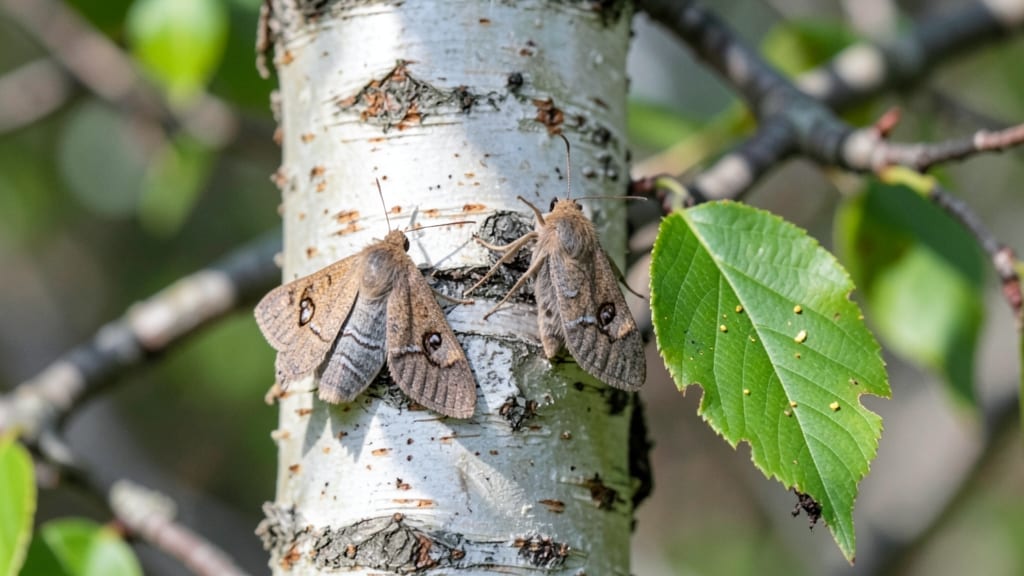
When moths on trees start stripping leaves faster than you can say "summer cleanup," you know it's time for real solutions—not just hoping for the best. 🌿 I've seen entire oaks defoliated by gypsy moths, but these natural deterrents actually work without harsh chemicals.
The key is acting fast before the caterpillars skeletonize your trees.
You'll need a few simple tools: a sturdy ladder, neem oil or insecticidal soap, and maybe some cardboard traps if you're dealing with tent caterpillars. The best part? These methods protect pollinators while still keeping moth populations in check.
I've used neem oil for years—it disrupts their feeding without harming birds or bees that visit my trees.
Within a week of treatment, you'll notice fewer eggs laid and existing larvae dropping off branches. Your trees won't look perfect overnight, but new growth will appear faster than you'd expect.
The real win? Your trees build resilience against future infestations when you combine these deterrents with proper tree health care.
Works for shade trees, fruit trees, and even young saplings—just adjust timing based on your local moth season. Let's get those trees back to their full, leafy glory before next year's hatch.
📚 In This Guide
- What you need
- Instructions
- Tips and common mistakes
- Wrapping up and next steps
What you need
- ● Pest-repelling plants: 3–5 lavender, basil, or mint plants (potted or in-ground).
- ● Natural sprays: 1 cup neem oil (organic, cold-pressed).
- ● 1 tbsp dish soap (mild, like Castile soap).
- ● 1 quart water (distilled or boiled, cooled).
- ● Physical barriers: 1 roll fine mesh netting (1/4-inch or smaller holes, ~20 ft).
- ● 10–15 clothespins or zip ties (for securing netting).
- ● Lighting alternatives: 1–2 yellow bug lights (LED, 5W–10W).
- ● Cleaning supplies: 1 soft brush (natural bristles).
- ● 1 bucket (5-gallon, for mixing solutions).
- ● Essential oils: 5–10 drops peppermint or cedarwood oil (add to sprays for extra repellency).
- ● Diatomaceous earth: 1 lb (food-grade, for soil application around tree bases).
- ● Reflective tape: 1 roll (to deter night-flying moths near lights).
- ● Garden gloves: 1 pair (for safe handling of oils and plants).
Step-by-Step instructions for natural moth deterrents on trees
Here's how to keep moths away using simple, effective methods that protect your trees without harsh chemicals.
🪴 Step 1: Identify Problem Areas and Clean Up Debris
Start by inspecting your trees for signs of moth activity—look for silken webs, chewed leaves, or tiny egg clusters on bark. Moths, especially tent caterpillars and gypsy moths, love cluttered, neglected areas. Remove fallen leaves, twigs, and any debris from the base of the tree and surrounding soil. I always rake up a 3-foot radius around the trunk to eliminate hiding spots.
Check the undersides of branches for egg masses, which look like grayish, fuzzy blobs. Scrape these off with a stiff brush or your fingers (wear gloves!) and drop them into soapy water to kill the eggs. This step alone can reduce next year's infestation by 90%. Real talk: Skipping this means you're basically inviting moths to throw a party on your trees.
☀️ Step 2: Apply Natural Repellents to Tree Bark and Foliage
Mix 1 tablespoon of dish soap (the kind without additives) with 1 gallon of water in a spray bottle. This creates a mild, non-toxic solution that disrupts moths' scent trails and deters them from laying eggs. Spray the mixture directly onto the bark, focusing on cracks and crevices where eggs are often laid. For larger trees, use a hose-end sprayer to cover the entire canopy.
Every 5-7 days, reapply the solution, especially after rain. I also like to add 2 drops of peppermint or citrus essential oil to the mix—moths hate these scents. Shake the bottle well before each use, as oils separate from water. This isn’t just a one-time fix; consistency is key to keeping moths away long-term.
🌿 Step 3: Introduce Beneficial Predators and Plants
Encourage natural predators like birds, ladybugs, and parasitic wasps by planting native flowering shrubs (such as serviceberry or elderberry) near your trees. These plants attract insects that eat moth eggs and larvae. I also hang birdhouses and bat boxes in shaded areas—both species are voracious moth hunters. Even a simple suet feeder can bring in chickadees and wrens, which devour caterpillars.
For immediate results, release Trichogramma wasps (tiny, harmless parasites) in early spring. These microscopic allies lay eggs inside moth eggs, preventing them from hatching. Order them online or from a local garden center—just follow the package instructions for release timing. This is the most incredible low-effort solution I’ve found, and it works like magic.
✂️ Step 4: Prune and Treat Infested Branches
If you spot heavy infestations—like large webs or defoliated branches—prune those sections immediately with sterilized shears. Bag the clippings and dispose of them in sealed trash to prevent moths from spreading. For small trees, I’ll often remove entire branches if they’re heavily damaged, as moths can’t survive without their host plant’s leaves.
After pruning, apply a neem oil spray (1 tablespoon neem oil + 1 teaspoon dish soap per quart of water) to the fresh cuts and surrounding foliage. Neem oil smothers moth larvae and disrupts their feeding. Spray in the early morning or evening to avoid harming bees and other pollinators. This step is non-negotiable if you want to stop an active infestation in its tracks.
💧 Step 5: Maintain Year-Round Prevention
Moths plan ahead, so don’t stop after the first frost. In late fall, apply diatomaceous earth (food-grade only) around the base of the tree in a 2-inch band. This powdery substance dehydrates moth eggs and larvae on contact. Reapply after heavy rain. I also wrap tree trunks with copper tape (available at garden centers) to deter climbing moths—it’s a physical barrier they can’t cross.
Every spring, before buds swell, inspect your trees again and repeat Steps 1-3. Keep a gardening journal to track moth activity—note when you first see eggs, webs, or chewed leaves. This helps you stay one step ahead. Here’s the thing: moths are persistent, but with these methods, you’ll see a dramatic drop in damage within one season. Stick with it!
Tips & tricks for natural moth deterrents that actually work
These game-changing tips will help you turn your trees into moth-free zones without breaking a sweat.
Timing is Everything: In Step 2, when you're spraying your natural repellent, aim for early morning applications. Moths are most active at dawn, so you'll catch them off-guard when their scent trails are freshest. I've found that spraying right after sunrise gives me the best results—it's like hitting them when they're most vulnerable. Also, don't forget to rotate your spraying pattern each time to ensure full coverage of all bark crevices where eggs love to hide.
Visual Inspection Secrets: During Step 1's egg mass removal, grab a flashlight and inspect branches from multiple angles. Egg masses often blend into bark, especially on the undersides of horizontal branches. I've discovered that shining light at a 45-degree angle makes these fuzzy blobs stand out like neon signs. Wear gloves and use a stiff brush to gently scrape them off—this prevents you from accidentally crushing any live eggs that might still be developing.
Predator Power-Up: For Step 3, if you're introducing Trichogramma wasps, time their release perfectly with the moth's life cycle. These tiny warriors need to find fresh egg masses to work their magic. Check your local extension office for the exact release window in your region—usually it's when you first spot tiny moth eggs in spring. I've seen infestations drop by 80% in just two weeks after proper timing, and that's without any other treatments!
Pruning Precision: When tackling Step 4's pruning, make your cuts just beyond the branch collar where it meets the trunk. This promotes faster healing and prevents disease from entering the tree. I use sterilized pruning shears and immediately bag the clippings in sealed plastic bags—this contains any larvae that might still be hiding. The key is to be thorough but strategic: remove only what's absolutely necessary to stop the infestation from spreading.
Pro Tips for Moths On Trees
- These game-changing tips will help you turn your trees into moth-free zones without breaking a sweat.
- Timing is Everything: In Step 2, when you're spraying your natural repellent, aim for early morning applications.
- Visual Inspection Secrets: During Step 1's egg mass removal, grab a flashlight and inspect branches from multiple angles.
Frequently asked questions
Got questions about moths on trees and how to keep them away?
You’re not alone! Here are some of the most common concerns—and practical answers—to help you protect your trees naturally and effectively.
Why are moths suddenly covering my trees?
Moths, especially tent caterpillars or gypsy moths, flock to trees for food and shelter. Overcrowding happens during peak seasons (spring/summer) when larvae hatch and strip foliage. Healthy trees attract fewer pests, but drought or stress can make them more vulnerable.
When is the best time to treat moth infestations?
Act fast! Treat trees early spring (March–April) when eggs hatch or late summer (August–September) before larvae pupate. Wait until caterpillars are small (before they form tents or webs) for easier control. Pro tip: Monitor trees weekly during peak moth seasons.
Are natural deterrents safe for pets and kids?
Most natural methods—like neem oil, kaolin clay, or pesticidal soaps—are pet/kid-friendly when used correctly. Always follow label instructions, avoid spraying on windy days, and keep pets away until treatments dry. BT (Bacillus thuringiensis) is a top pick for organic gardens.
Will moths kill my tree if I don’t treat them?
Severe infestations can defoliate trees, stressing them and making them prone to disease or pests. While one bad year won’t kill a healthy tree, repeated damage weakens roots and branches. Young or weak trees are most at risk—intervene if you see 50%+ leaf loss or webbing.
What’s the fastest way to remove moths already on my tree?
For immediate relief, prune and destroy heavily infested branches, then apply horticultural oil or soapy water to suffocate larvae. Use a shop vacuum (with a hose attachment) to suck up caterpillars—wear gloves! Repeat every 3–5 days until moths disappear.
Still stumped? Drop your specific tree type or moth species in the comments—we’re happy to help!
Wrapping up and next steps
Discovering moths on your trees can feel frustrating, but with the right natural deterrents—like neem oil, diatomaceous earth, or companion planting—you can protect your garden without harsh chemicals. 🌿 The key is consistency and a mix of methods tailored to your specific pests. Don’t let these tiny invaders win!
Ready to take action? Start by inspecting your trees this weekend, then pick one or two deterrents to test. Keep a journal to track what works best for your yard—your future self (and plants!) will thank you. 🌱