
Pruning
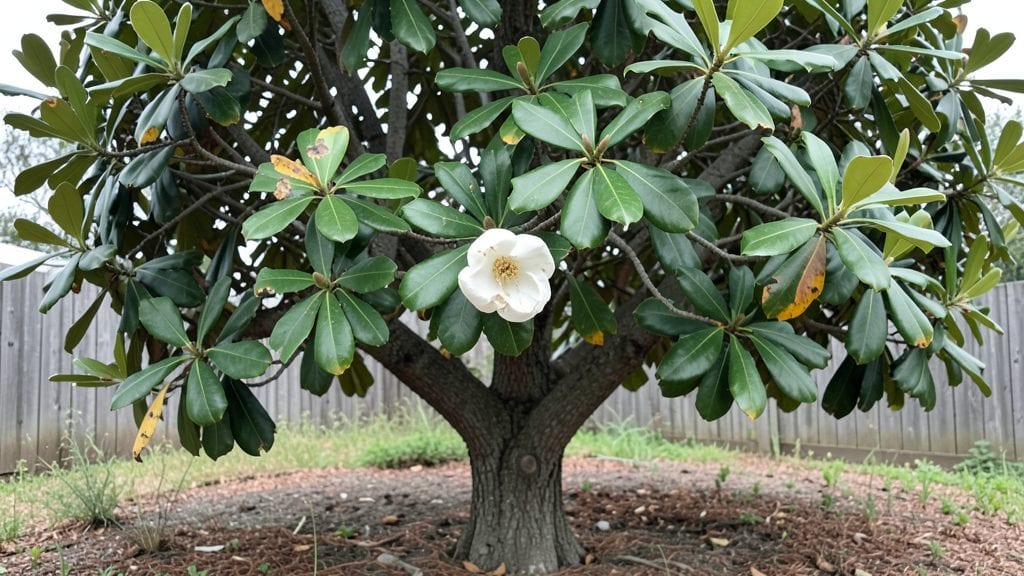
The growth of your magnolia tree skyrockets when you nail its sunlight and soil needs—my 10-year-old specimen now blooms twice as big as store-bought plants because of these two secrets.
The key isn't just throwing manure at the roots; it's matching the soil to their natural habitat and giving them the right light balance. I learned this after my first magnolia struggled for years in heavy clay, then exploded with growth once I amended the soil and adjusted its spot.
These trees thrive in morning sun with afternoon shade, especially in hot climates. Too much direct afternoon sun scorches the leaves, while too little light means fewer blooms. The soil needs to drain well but stay moist—think rich, loamy mix with compost, not sandy or compacted dirt.
I test mine every spring by pressing my thumb into the soil; if it stays crumbly, I know it's ready for new growth.
You'll see dramatic results in just one growing season—thicker stems, glossier leaves, and blooms that arrive earlier. My tree now produces 12-inch flowers where it once had sparse 6-inch blooms.
The trick is patience: magnolias reward consistent care with explosive growth spurts, especially after pruning dead branches in late winter.
Works for both small yard varieties and towering specimens, though dwarf magnolias need slightly more shade. The same principles apply whether you're planting a sapling or nurturing a mature tree back to health. Let's get those roots growing strong!
📚 In This Guide
- What you need
- Instructions
- Tips and common mistakes
- Wrapping up and next steps
What you need
- ● Magnolia Tree: 1 container-grown sapling or bare-root tree (choose a variety like Magnolia grandiflora or Magnolia stellata based on your climate).
- ● Size: 1–3 gallons for young trees, larger pots for mature specimens.
- ● Soil: 6–8 cubic feet of well-draining, acidic soil (pH 4.5–6.0). Mix in 20% compost or peat moss for fertility.
- ○ Optional: Sulfur or pine bark fines to adjust acidity if needed.
- ● Planting Hole: Dig a hole twice as wide as the root ball but no deeper.
- ● Loosen soil at the bottom to encourage root spread.
- ● Mulch: 3–4 inches of organic mulch (pine straw, wood chips, or shredded bark).
- ● Avoid mulching directly against the trunk (keep 2–3 inches clear).
- ● Watering Supplies: Garden hose with soaker hose attachment or watering can (5–10 gallons capacity).
- ○ Drip irrigation kit (optional but ideal for consistent moisture).
- ● Fertilizer: Slow-release acid-loving plant fertilizer (e.g., 8-3-9 or 10-10-10 with micronutrients).
- ● Apply once in early spring and again after blooming.
- ● Shovel: Round-point or spade shovel for digging.
- ● Garden Gloves: Heavy-duty to protect hands from thorns and rough bark.
- ● Pruning Shears: Bypass pruners for shaping and deadheading.
- ○ pH Tester: Soil kit to monitor acidity levels (optional but helpful).
- ● Wheelbarrow: For transporting soil and mulch.
- ● Stakes & Ties: If planting in windy areas (3–4 stakes, 1-inch wide twine).
- ● Location: Choose a spot with 6+ hours of sunlight daily (morning sun is ideal).
- ● Climate Check: Verify your USDA Hardiness Zone (most magnolias thrive in Zones 4–9).
- ● Timing: Plant in early spring or fall to avoid extreme heat or frost.
- ● Space: Account for mature size—some varieties reach 20–30 feet tall!
Instructions for maximizing magnolia tree growth speed
Here’s how to give your magnolia the perfect start for rapid, healthy growth and earlier blooms.
Choose the Right Planting Location for Sunlight
Magnolias thrive in full sun to partial shade, with at least 6 hours of direct sunlight daily for best bloom production. I always pick a spot that gets morning sun and afternoon shade—this prevents leaf scorch while ensuring strong growth. Avoid areas where strong afternoon winds could damage delicate new leaves.
Test your site by observing how much sun it gets over a week. If the area stays dry and hot by midday, it’s likely too intense. Magnolias in USDA zones 5-9 need slightly more shade in hotter climates, while cooler zones can handle full sun. Watch for yellowing leaves—they’re a sign of too much sun exposure.
Prepare the Soil for Optimal Drainage and Nutrients
Magnolias hate soggy roots, so amend the soil with 2-3 inches of organic compost mixed into the top 12 inches of soil. I dig a hole twice as wide as the root ball and loosen the surrounding soil to encourage root spread. For clay-heavy soil, add 1 part sand or perlite to improve drainage.
Test soil pH before planting—magnolias prefer slightly acidic to neutral soil (6.0-7.0). If your soil is too alkaline, mix in sulfur or peat moss to lower the pH gradually. Avoid fresh manure, which can burn young roots. Water the amended soil thoroughly before planting to settle everything in place.
Plant at the Correct Depth and Mulch Properly
Place the magnolia in the hole so the top of the root ball sits just above ground level—burying too deep suffocates the trunk and causes rot. Backfill with native soil, pressing gently to remove air pockets. Water deeply to help roots settle into the new soil.
Apply 3 inches of mulch (like pine bark or shredded leaves) around the base, keeping it 6 inches away from the trunk to prevent moisture buildup. Mulch retains moisture and regulates soil temperature, which speeds up root establishment. Replenish mulch annually—never let it pile against the trunk, as this traps moisture and invites pests.
Water Deeply and Consistently During the First Year
Water newly planted magnolias once a week (or more in extreme heat) to keep the soil evenly moist but not soggy. I check moisture by sticking my finger 2 inches deep—if it feels dry, water again. Overwatering causes root rot, while underwatering stresses the tree and slows growth.
After the first year, magnolias become drought-tolerant, but young trees still need deep watering every 10-14 days during dry spells. You’ll know watering is right when excess runs out the drainage holes—this ensures roots get the moisture they need without sitting in water.
Prune Strategically to Encourage Stronger Growth
Prune magnolias right after flowering (late spring) to avoid cutting off next year’s blooms. Remove dead, crossing, or weak branches first, then thin out crowded growth to improve airflow. I never prune more than 25% of the canopy at once—this prevents shock and encourages faster regrowth.
Watch for water sprouts (suckers growing from the base) and remove them immediately—they drain energy from the main tree. Pruning wounds should be clean and angled to prevent water pooling. Seal larger cuts with pruning sealant only if the tree is in a high-humidity area to reduce disease risk.
Tips & tricks for perfect magnolia tree growth
These simple strategies will help your magnolia grow faster and bloom sooner than you expect.
Sunlight Strategy: In Step 1, if your location gets intense afternoon sun, consider adding temporary shade cloth (50% shade) for the first few weeks. This helps young magnolias adjust without the shock of sudden leaf scorch. I’ve seen trees in full sun struggle for years before finally adapting—don’t let that happen to yours. The 6 hours of sunlight should be spread throughout the day, not all concentrated in the morning.
Soil Preparation Secret: When amending soil in Step 2, go beyond the 2-3 inches of compost by mixing in a handful of mycorrhizal fungi powder with the compost. This beneficial fungus forms a symbiotic relationship with magnolia roots, dramatically improving nutrient uptake and speeding up root establishment. It’s especially helpful in clay-heavy soils where drainage is a concern.
Planting Depth Tip: The correct planting depth in Step 3 is critical—if the root ball sits too low, you’ll suffocate the trunk and create rot. I like to use a small stake to mark the original soil level on the root ball before removing it from the container. This way, you can reference it when planting to ensure the top sits just above ground level.
Watering Wisdom: For the once-weekly watering in Step 4, I recommend using a soaker hose instead of overhead watering. This delivers moisture directly to the roots where it’s needed most, while preventing fungal diseases that can develop on leaves from prolonged wetness. The 2-inch moisture check is perfect—if it’s dry at that depth, your tree needs water.
Pro Tips for Magnolia Tree Growth
- These simple strategies will help your magnolia grow faster and bloom sooner than you expect.
- Sunlight Strategy: In Step 1, if your location gets intense afternoon sun, consider adding temporary shade cloth (50% shade) for the first few weeks.
- Soil Preparation Secret: When amending soil in Step 2, go beyond the 2-3 inches of compost by mixing in a handful of mycorrhizal fungi powder with the compost.
Frequently asked questions
How fast do magnolia trees grow, and when can I expect flowers?
Magnolia growth speed depends on the variety, but most grow 12–24 inches per year. Dwarf types (like Magnolia stellata) may take 3–5 years to bloom, while larger species (like Magnolia grandiflora) can take 5–10 years. Patience pays off—healthy soil and sunlight speed up the process!
Can magnolias grow in full sun, or do they need shade?
Most magnolias love morning sun and afternoon shade, especially in hot climates. Southern magnolias (grandiflora) tolerate full sun, but tender varieties (like soulangeana) may scorch. Watch for leaf browning—adjust pruning or mulch to protect roots.
Why aren’t my magnolia leaves turning green? (Yellowing or browning troubleshooting)
Yellow leaves often signal overwatering or poor drainage. Brown edges? Try mulching to retain moisture and improve soil. For soggy soil, amend with compost or plant on a slight slope. Never let roots sit in water!
What’s the best soil mix for magnolia trees to encourage blooms?
Magnolias thrive in well-draining, slightly acidic soil (pH 5.0–6.5). Mix equal parts garden soil, compost, and sand for optimal growth. Avoid heavy clay—amend with peat moss or pine bark if needed. A slow-release fertilizer in spring boosts blooms!
Can I grow a magnolia in a container? What’s the best pot size?
Yes! Dwarf varieties (like Little Gem) do well in 15–20 gallon pots. Use a fast-draining mix (cactus soil + perlite) and repot every 2–3 years. Place in partial shade and water when the top inch of soil dries. Winter care: Move indoors or wrap the pot in burlap!
Wrapping up and next steps
Growing a thriving magnolia tree is all about patience, the right conditions, and a little extra care! By mastering the balance of sunlight (6+ hours daily for most varieties) and well-draining, slightly acidic soil, you’ll set the stage for stunning blooms and lush foliage.
Remember, pruning in late winter or early spring keeps your tree healthy and encourages vibrant growth—so grab those shears and get to work! 🌸
Ready to watch your magnolia flourish? Start by observing your tree’s progress—adjust sunlight exposure or soil amendments as needed—and soon, you’ll be rewarded with breathtaking blooms that’ll make your garden the talk of the neighborhood. Happy gardening! 🌿