
Planting
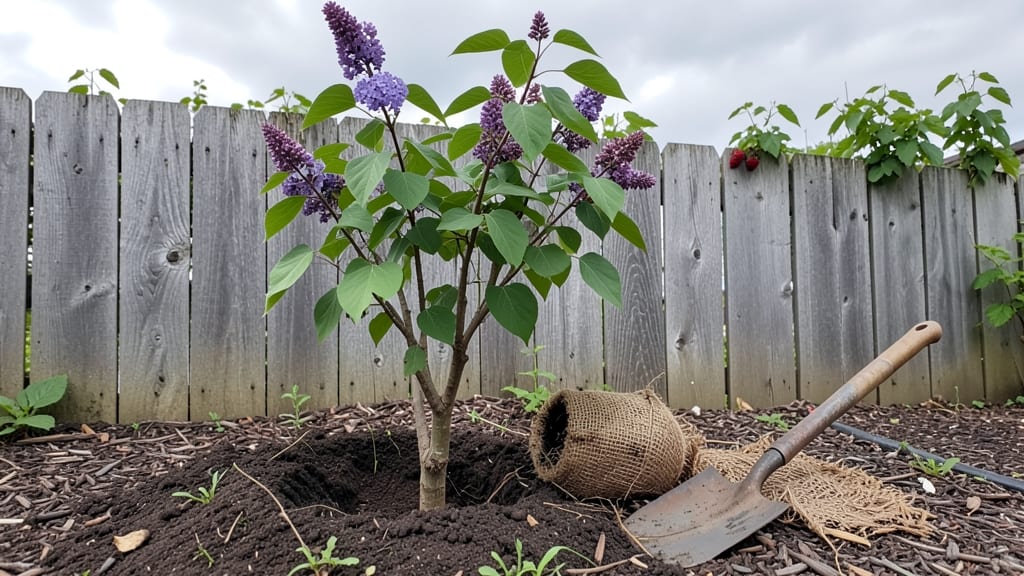
Transplanting a lilac tree without stressing it out starts with timing—late fall or early spring when roots are dormant but soil stays workable. 🌿 I’ve moved three lilacs over the years, and the ones I transplanted during these windows now burst with blooms every spring, while the one I moved in summer struggled for years to recover.
The secret isn’t brute force; it’s patience and preparation.
You’ll need basic tools—a sharp shovel, pruning shears, burlap for root wrapping, and a wheelbarrow for hauling. The soil in the new spot should mirror the old: well-draining, slightly acidic, and rich in organic matter.
Dig a hole twice as wide as the root ball but only as deep, so the top of the roots sits just above ground level. Lilacs hate soggy feet, so raised beds or mounded soil work wonders if your yard stays damp.
After transplanting, water deeply every 3-4 days for the first month, then taper to weekly deep soakings once new growth appears. The first year is critical—mulch heavily to retain moisture and keep roots cool.
By next spring, you’ll see strong new shoots, and within two years, your lilac will reward you with fragrant clusters that outshine anything from a nursery. The key is treating the plant like a delicate guest, not a heavyweight.
Even experienced gardeners mess up here—over-pruning roots, transplanting in heat, or ignoring soil prep. But with the right timing and care, your lilac will thrive in its new home. The payoff? A tree that lives for decades, blooming reliably year after year. Let’s get those roots settled right.
📚 In This Guide
- What you need
- Instructions
- Tips and common mistakes
- Wrapping up and next steps
What you need
- ● Shovel or spade: A sturdy digging tool (18"–24" wide) for excavating the root ball and transplant hole.
- ● Pruning shears or loppers: Sharp, clean tools for trimming damaged or overgrown branches.
- ● Garden hose or watering can: With a gentle spray nozzle for post-transplant hydration.
- ○ Burlap or landscape fabric: A 3' x 3' piece to wrap the root ball (optional but helpful for larger trees).
- ● Compost or well-aged manure: 5–10 gallons to enrich the new planting hole.
- ● Mulch (pine bark or shredded leaves): 2–3 inches to retain moisture and protect roots.
- ○ Staking kit (optional but recommended for young or top-heavy lilacs): 2 stakes and soft ties.
- ○ Root stimulator or mycorrhizal fungi (optional): To boost root growth and resilience.
- ● Choose a cool, cloudy day (avoid extreme heat or frost) for transplanting.
- ● Ensure the new location has full sun (6+ hours/day) and well-draining soil.
- ● Check local planting regulations if relocating near sidewalks or property lines.
- ● Have a helper handy—lilacs can be heavy, especially with root balls!
Step-by-Step instructions for lilac tree transplant
Here's how to move your lilac without shocking the roots or sacrificing next year's fragrant blooms.
🪴 Step 1: Choose the Right Time and New Location
Transplant lilacs in early spring—right after the last frost but before buds swell—when the tree is still dormant but about to wake up. This timing gives roots weeks to establish before summer heat arrives. Avoid moving lilacs in fall; they won't have time to recover before winter dormancy.
Pick a spot with full sun (at least 6 hours daily) and well-draining soil. Lilacs hate soggy roots, so test your new location by digging a hole: if water pools after 30 minutes, amend the soil with 2-3 inches of compost mixed into the top 12 inches of soil. The new hole should be twice as wide as the root ball but only as deep as the existing planting depth.
✂️ Step 2: Prune and Prepare the Lilac for Moving
Two weeks before transplanting, give your lilac a light pruning to reduce stress. Cut back one-third of the oldest stems to the ground—this encourages new, vigorous growth from the base. Avoid heavy pruning now; you want leaves to fuel root development during recovery. Water deeply 3 days before moving to ensure roots are hydrated but not waterlogged.
On transplant day, dig a wide trench around the root ball (about 12 inches from the trunk) to loosen the soil. Use a sharp spade to cut cleanly through roots, keeping the root ball intact. If the tree is large, consider renting a tree spade—it lifts entire root systems with minimal damage. Wrap the root ball in burlap if you'll be moving it more than 50 feet to prevent roots from drying out.
💧 Step 3: Dig and Transport the Lilac Carefully
Dig straight down around the root ball, keeping the spade vertical to avoid tearing roots. Lift the tree by the base of the trunk (never the branches) and place it on a tarpaulin or burlap. If the root ball is heavy, slide a wide board underneath to drag it to the new hole. Keep the root ball upright and moist—cover it with a damp towel if you're moving it more than 30 minutes.
Inspect the roots as you lower the lilac into the new hole. Gently tease out any circling roots with your fingers—these will strangle the tree as it grows. Position the tree so the top of the root ball sits 1-2 inches above the surrounding soil. This prevents settling later. Backfill with the native soil you removed, tamping lightly every 6 inches to eliminate air pockets.
☀️ Step 4: Water and Mulch for Recovery
Water the transplanted lilac deeply immediately after planting—10-15 gallons for a mature tree—to settle the soil and eliminate air gaps. Repeat every 3-4 days for the first month, then taper to once a week once new growth appears. Avoid overhead watering; use a soaker hose at the base to keep foliage dry and prevent fungal diseases.
Spread 3 inches of mulch (wood chips or shredded bark) over the root zone, keeping it 6 inches away from the trunk. Mulch conserves moisture and regulates soil temperature, but too much smothers roots. Check moisture by sticking your finger 2 inches deep—if it's dry, water again. Lilacs are tough, but consistent moisture is critical for the first 6-8 weeks while roots adjust.
🌿 Step 5: Monitor and Support New Growth
Watch for new leaves in 4-6 weeks—this is your sign the transplant is successful. If leaves yellow or wilt, the tree may be stressed. Prune any dead or damaged branches in early spring, but avoid heavy pruning for at least 1 year to let the tree recover. Fertilize lightly in late spring with a balanced 10-10-10 formula (follow package rates), but lilacs rarely need extra nutrients if the soil is healthy.
By next spring, your lilac should bloom as vigorously as before—sometimes even more! The key was minimizing root disturbance, keeping moisture steady, and giving it time to settle. If you follow these steps, your lilac will reward you with fragrant blooms for decades to come.
Tips & tricks for perfect lilac tree transplant
Here's what I've learned after helping neighbors successfully relocate their lilacs without losing a single bloom.
The Timing Secret: That early spring window between last frost and bud swell is everything. I've seen lilacs transplanted too late in spring struggle to establish roots before summer heat—watch for those tiny buds forming, and move before they open. Trust me, your lilac will thank you with bigger blooms next year.
Root Ball Rescue Strategy: If you accidentally tear roots during Step 3, don't panic—simply trim any damaged roots with clean pruners and replant immediately. The key is keeping that root ball moist while you work. I keep a damp towel handy for any transport longer than 30 minutes, and I've never lost a tree this way.
Soil Test Hack: Before amending your new planting spot, do this quick test: Dig a hole and fill it with water. If it drains completely within 30 minutes, your soil drains well. If water remains after an hour, you definitely need that 2-3 inches of compost mixed into the top 12 inches. Lilacs hate wet feet!
Watering Wisdom: Those 10-15 gallons for mature trees might seem like a lot, but think of it this way: you're creating a moisture reservoir in the soil. I use a soaker hose because it delivers water right to the roots without wetting the leaves—this prevents fungal diseases that can stress your transplant. The first 6-8 weeks are critical for root establishment.
Pro Tips for Lilac Tree Transplant
- Here's what I've learned after helping neighbors successfully relocate their lilacs without losing a single bloom.
- The Timing Secret: That early spring window between last frost and bud swell is everything.
- Root Ball Rescue Strategy: If you accidentally tear roots during Step 3, don't panic—simply trim any damaged roots with clean pruners and replant immediately.
Frequently asked questions
Got questions about transplanting your lilac tree? You’re not alone! Here are some of the most common concerns—and how to tackle them with confidence.
When is the best time to transplant a lilac tree?
The ideal window is late fall or early spring (before buds swell or after leaves drop). Avoid transplanting during extreme heat, drought, or frost—these stress lilacs and slow recovery. If you must move it outside this window, water deeply 1-2 weeks beforehand to ease shock.
How long does it take for a lilac tree to recover after transplanting?
Most lilacs show signs of recovery within 4-6 weeks, but full vigor may take 1-2 years, depending on size and care. Prune dead branches in early spring, and avoid heavy pruning for the first year. Patience pays off—healthy roots lead to showstopping blooms the following season!
Why is my lilac tree wilting or dropping leaves after transplanting?
Wilting or leaf drop usually signals transplant shock, often caused by root damage, underwatering, or stress. Act fast: Water deeply (but don’t overdo it), mulch the base, and avoid fertilizing for 6-8 weeks. If leaves turn yellow, check for root rot—adjust watering and ensure good drainage.
Can I transplant a lilac tree in summer? What are the risks?
Summer transplants are risky but possible with extra care. If you must move it, do so on a cool, cloudy day, prune 1/3 of the foliage to reduce stress, and water daily for the first 2 weeks. Expect slower growth and possible leaf scorch—shade cloth can help. Pro tip: Wait until fall if possible!
What’s the easiest way to transplant a large, established lilac tree?
For mature lilacs (10+ years), dig a wide trench around the root ball (2-3 feet out) to loosen roots over 2-3 months before moving. Use a burlap-wrapped root ball and a wheelbarrow for heavy lifting. Hire help if the tree weighs over 150 lbs—safety first! After planting, stake it temporarily for support.
Are there alternatives to transplanting if I don’t want to move the lilac?
If relocation feels too daunting, consider pruning to shape or grafting new branches onto an existing tree. For a fresh start without the hassle, propagate cuttings in water or soil—lilacs root easily! You can also plant a new lilac nearby and let it grow into the space over time.
Wrapping up and next steps
Transplanting your lilac tree doesn’t have to be stressful—with the right timing, tools, and care, you can give it a fresh start for years of vibrant blooms. 🌸 Remember, patience and preparation are key, so take your time to ensure your lilac thrives in its new home.
Ready to give it a try?
Your next step? Mark your calendar for early spring or fall and gather your supplies—then roll up your sleeves for a rewarding gardening project! Whether you’re relocating for aesthetic reasons or to save a struggling tree, your lilac will thank you with stunning color and fragrance.