
Picking
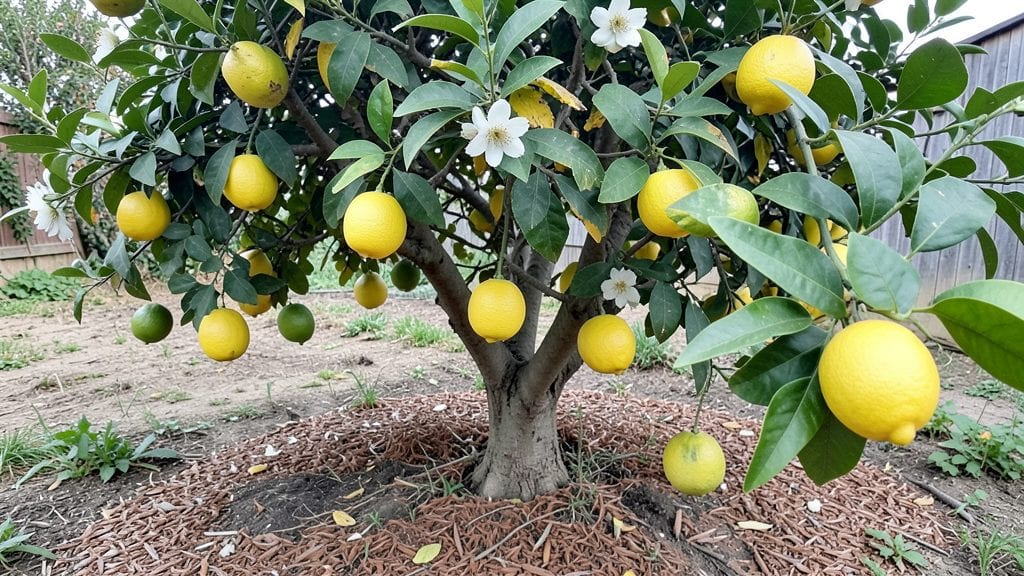
Harvesting lemons at their peak means the difference between tart bites and juicy, sweet-tart gold—and I’ve learned the hard way that timing is everything. 🌿 The best lemons don’t just fall off the tree; they’re firm, heavy for their size, and develop that signature yellow hue with just a touch of green at the stem.
In warmer climates like Zone 9-11, you can harvest year-round, but most trees peak in late winter through early spring when days start lengthening.
You’ll need just a few things: sharp pruning shears, a bucket or basket, and a little patience. The key is to pick when the fruit is fully colored but still slightly firm—overripe lemons get mealy inside, while underripe ones stay bitter.
A gentle squeeze should yield just a little give, like a ripe avocado. And here’s the secret: never cut the stem too short; leave about an inch to help the fruit cure properly after harvest.
Once you’ve got your lemons, store them in a cool, dry place away from direct sunlight—they’ll last weeks, maybe even months if you wrap them in paper towels to absorb moisture.
The flavor deepens as they ripen, so if you’re not using them all at once, let them sit for a few days before juicing or zesting. Trust me, the first time you taste that bright, complex lemonade made from tree-ripened fruit, you’ll never buy store-bought again.
This works for both container-grown trees and in-ground varieties, though dwarf varieties tend to produce earlier and more reliably. If you’re in a cooler zone (like 7-8), harvest in late fall before the first frost—lemons won’t survive freezing, but they’ll keep well indoors.
Now, grab those shears and let’s get harvesting!
📚 In This Guide
- What you need
- Instructions
- Tips and common mistakes
- Wrapping up and next steps
What you need
- ● Harvesting tools: Pruning shears or harvesting scissors (1 pair, bypass-style for clean cuts)
- ● Gloves (1 pair, gardening-grade for grip and protection)
- ● Ladder or step stool (if tree is 6+ feet tall)
- ● Containers & storage: Large mesh bags or breathable harvest baskets (2–3, to avoid bruising)
- ● Plastic crates or wooden boxes (1–2, for sorting)
- ○ Coolers or shade cloth (optional, for post-harvest storage)
- ● Cleaning & prep: Soft brush or damp cloth (for gentle cleaning)
- ● Colander or strainer (if washing lemons)
- ● Paper towels or clean towels (for drying)
- ● Spray bottle with water or citrus-safe cleaner (for quick sanitizing)
- ● Sharpie or label markers (to tag varieties or harvest dates)
- ● Small knife or peeler (for trimming stems post-harvest)
- ● Scale or measuring cups (if tracking yield for recipes!)
How to harvest your lemon tree for maximum flavor and yield
Ready to turn your citrus tree into a golden treasure chest? Here’s how to pick lemons at their peak—without stressing the tree.
🍋 Step 1: Identify the Perfect Lemon for Picking
Lemons are ready when they’ve reached full size but still feel slightly firm to the touch. A ripe lemon will have a bright yellow color (no lingering green) and a slight give when gently squeezed—like a ripe peach. Avoid lemons that feel mushy or have soft spots, as they’re overripe and past their prime.
Check the stem too. If it snaps cleanly when twisted (rather than pulling away), the lemon is fully mature. I like to pick in the morning when the fruit is coolest—this preserves flavor and juiciness. Harvesting in the heat can make lemons dry out faster.
✂️ Step 2: Use the Right Tools for Clean Cuts
Never pull lemons off the tree by hand—you’ll damage the branch and risk tearing the fruit. Instead, use clean pruning shears or sharp scissors to cut the stem about ¼ inch above the fruit. This prevents sap from oozing and keeps the tree healthy. Sterilize your tools with rubbing alcohol between cuts to avoid spreading disease.
For larger harvests, I grab a small bucket or basket to collect lemons as I go. Place it under the branch before cutting to avoid dropping fruit. A gentle twist while cutting helps detach the lemon cleanly, leaving the stem intact for a longer shelf life.
🌿 Step 3: Handle Lemons Gently to Preserve Quality
Once picked, lemons bruise easily, so handle them like fragile glass. Place them in a single layer in a breathable container (like a wooden crate or mesh bag) to prevent squishing. Avoid stacking or piling them—this causes pressure spots that spoil faster.
If you’re storing lemons long-term, let them cure at room temperature for 1-2 weeks in a dry, shaded spot. This deepens their flavor and thickens the skin. Once cured, move them to a cool, dark place (like a pantry) where they’ll last months. Never refrigerate until fully cured—cold temperatures can dull their taste.
🍋 Step 4: Maximize Yield Without Over-Harvesting
Don’t strip the tree bare! Leave at least half the lemons on the branches to ensure next season’s crop. A healthy tree produces more when it retains some fruit. I harvest no more than ⅓ of the lemons at once, spacing picks over 2-3 weeks during peak season (fall to early winter).
Watch for new growth after harvesting. If you see fresh buds forming, the tree is recovering well. Over-picking weakens branches and reduces flowering the following year. A well-balanced harvest keeps your tree thriving for years.
💧 Step 5: Post-Harvest Care for a Thriving Tree
After harvesting, give your lemon tree a deep watering to replenish moisture lost during fruit production. Water at the base (not the leaves) to avoid fungal issues. A slow-release citrus fertilizer applied now will help the tree recover and prepare for next year’s blooms.
Prune any damaged or overcrowded branches in late winter to improve air circulation. This reduces disease risk and encourages stronger growth. I also wipe down the leaves with a damp cloth to remove dust—clean foliage absorbs sunlight better and produces sweeter fruit.
Tips & tricks for perfect lemon tree harvesting
A few simple tricks will help you turn your lemon harvest into a bounty of flavor-packed fruit that lasts all season.
The Color Test: Bright yellow is the golden rule—but don't trust color alone. The real test is the stem: it should snap cleanly when twisted (not pull away). I've learned this the hard way after picking "ripe" lemons that were still green inside! Also, the slight give when squeezed is your best indicator of perfect ripeness.
Tool Prep Matters: Sterilizing your pruning shears between cuts is non-negotiable. I keep a small bottle of rubbing alcohol handy and wipe tools after every 3-4 lemons. This prevents sap buildup and keeps your tree healthy. For larger harvests, I place a shallow tray under the branch before cutting—it catches any dropped fruit and makes cleanup effortless.
Storage Wisdom: That 1-2 week curing period at room temperature is crucial for flavor development. I store my lemons in a well-ventilated wooden crate on my kitchen counter, away from direct sunlight. The key is patience—rushing this step means duller flavor and thinner skin. Once cured, they'll keep beautifully in a cool pantry for months.
Seasonal Strategy: Spreading your harvest over 2-3 weeks during peak season (fall to early winter) gives your tree time to recover between pickings. I mark my calendar with harvest dates and never take more than ⅓ of the fruit at once. This consistent approach has kept my tree thriving for over 5 years—it's the secret to long-term lemon success!
Pro Tips for Lemon Tree Harvest
- A few simple tricks will help you turn your lemon harvest into a bounty of flavor-packed fruit that lasts all season.
- The Color Test: Bright yellow is the golden rule—but don't trust color alone.
- Tool Prep Matters: Sterilizing your pruning shears between cuts is non-negotiable.
Frequently asked questions
Got questions about your lemon tree harvest? You’re not alone! Here are answers to the most common queries to help you crush the citrus season like a pro.
When is the best time to harvest lemons?
Lemons are ripe for the picking when they’re fully yellow and slightly soft to the touch. For peak flavor, harvest in late fall to early winter (November–February in most climates). If your tree is in a warmer zone, lemons may ripen year-round—just check for that gentle give!
How do I know if my lemons are overripe or underripe?
Underripe lemons are green, hard, and bitter—wait a few more weeks! Overripe ones are wrinkled, mushy, or fermented-smelling (yuck!). The sweet spot? A bright yellow hue, firm skin, and a slight aroma. Pro tip: Taste test one! If it’s tart but not sour, it’s ready.
Do I need special tools to harvest lemons?
Nope! Just use sharp pruning shears or a knife to snip stems cleanly (about ¼” from the fruit). For high branches, a harvesting pole or sturdy ladder helps. Avoid pulling lemons—this can damage the tree. For heavy harvests, a bucket or mesh bag keeps fruit from bruising.
What should I do if my lemons fall off before ripening?
Don’t panic! Unripe lemons can finish ripening indoors at room temperature (out of direct sun). If they’re still green but soft, they’ll yellow over 1–2 weeks. For a bigger harvest next year, ensure your tree gets 6+ hours of sunlight and regular watering (but not soggy soil).
Can I harvest lemons in freezing temperatures?
Lemons are tropical—they hate frost! If temps dip below 28°F (-2°C), cover your tree with a frost blanket or harvest what you can before damage occurs. Once picked, store lemons in a cool, dry place (like a pantry) for up to 2 weeks. For long-term storage, freeze them!
What can I do with lemons that aren’t perfect?
No need to toss imperfect lemons! Use blemished or small ones for:
- Homemade lemon curd or marmalade
- Infused oils, vinegars, or cleaning solutions
- Dried lemon slices (great for tea or baking!)
- Composting (if they’re too rotten)
Wrapping up and next steps
Harvesting your lemon tree at the right time ensures a bounty of bright, flavorful fruit that’s perfect for everything from zesty cocktails to homemade preserves. Remember to pick when lemons are firm but yield slightly to touch, and always use clean tools to protect your tree’s health.
With patience and care, you’ll turn your citrus gold rush into a year-round success!
Ready to level up your harvest? Start by pruning your tree after the season to encourage even more growth—or share your first batch of lemons with friends! 🍋✨