
Pruning
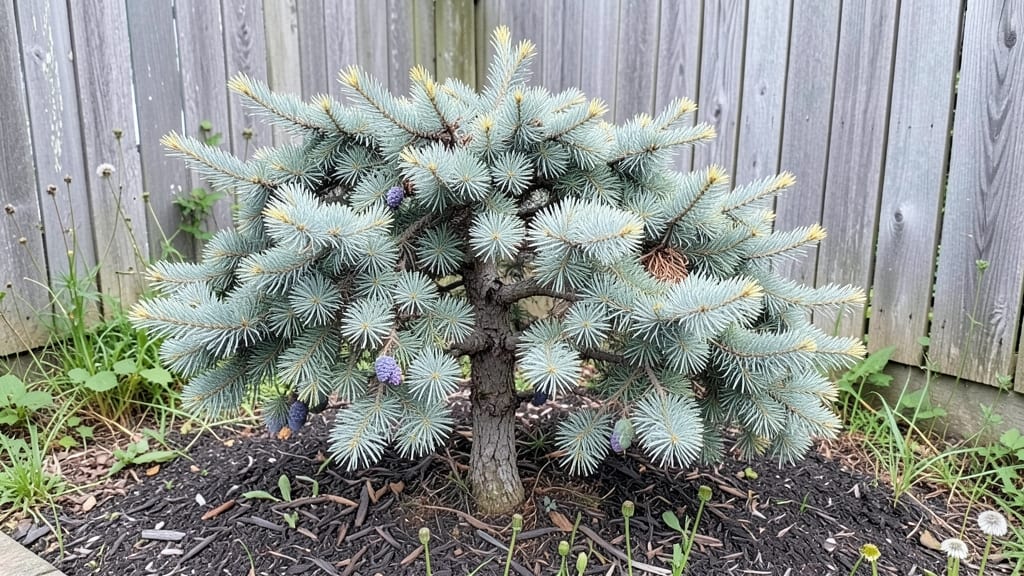
Identifying juniper trees starts with their needles—some look like sharp scales clinging to branches while others resemble tiny, prickly needles. 🌿 I’ve spent years mistaking junipers for pines until I learned the key difference: junipers rarely exceed 15 feet tall and often grow in dense, low-lying mounds instead of towering straight up.
The bark also tells the story—thin, reddish-brown strips peeling back on mature trees, unlike the thick, furrowed bark of pines.
The real game-changer? Their berries—or cones, depending on who you ask. Junipers produce small, fleshy "berries" that stay on the tree for years, turning from green to deep blue-black when ripe.
Common juniper (Juniperus communis) has tiny, rounded berries, while eastern red cedar (Juniperus virginiana) sports elongated, blue-gray ones that resemble tiny pinecones. These details matter because pruning needs and pest risks vary wildly between species.
Once you spot these traits, confirm with growth habit: junipers thrive in poor soil, drought, and even rocky slopes where other trees fail. Their sprawling branches often form dense hedges or low shrubs, while their cousins like arborvitae grow in tight, columnar shapes.
Nail these visual cues, and you’ll never confuse a juniper again—no more overwatering or misdiagnosing pests.
Why does this matter? Junipers handle pruning differently than pines, and some species attract bagworms that devastate foliage if left unchecked. Knowing your tree means you can care for it right—whether that’s shaping it into a privacy screen or letting it grow wild as a wildlife magnet.
Start with these basics, and you’ll spot them anywhere.
Behind the Confusion
If you’ve ever stared at a cluster of evergreens and thought, “Is that a juniper or just another pine?”—you’re not alone. 🌲 Misidentifying juniper trees happens for a few key reasons, often tied to their unique (and sometimes deceptive) traits.
Let’s break down the science and environmental factors that make juniper trees tricky to spot at first glance.
Juniper trees (Juniperus spp.) share traits with pines, cedars, and even some cypresses, which can lead to mix-ups. Here’s why:
- Needle-Like or Scale-Like Foliage: Juniper foliage varies dramatically between species. Some, like Juniperus virginiana (eastern red cedar), have sharp, awl-shaped needles that resemble pine needles, while others, like Juniperus horizontalis (creeping juniper), have tiny, overlapping scales that mimic cypress or arborvitae. Actionable tip: Examine the arrangement—juniper needles often grow in whorls or spirals, whereas pine needles typically grow in bundles (e.g., 2–5 needles per fascicle).
- Berries That Aren’t Berries: Juniper “berries” (technically cones) are fleshy and blue-purple, which can fool observers into thinking they’re looking at a different plant. Some people confuse them with Ilex (holly) berries or even Taxus (yew) fruit. Key clue: Juniper berries are not sweet or edible raw (they’re aromatic and used in gin!). They also take 1–3 years to mature, unlike holly berries, which ripen in a single season.
- Bark That Mimics Other Trees: Mature juniper bark can resemble cedar or even birch in texture—peeling, fibrous, or deeply furrowed. Young junipers, however, have smooth, greenish bark that might remind observers of young pines. Pro tip: Look for aromatic bark when scratched—junipers release a distinct, piney or citrusy scent, while cedars smell more woody and sweet.
Juniper trees come in over 70 species, each with distinct growth habits, heights, and foliage types. This diversity means:
- Dwarf vs. Towering Forms: Some junipers, like Juniperus procumbens (Japanese juniper), stay under 3 feet tall, while others, like Juniperus occidentalis (western juniper), can reach 40+ feet. A low, spreading evergreen might be mistaken for a ground cover (e.g., Pachysandra) or a prostrate pine.
- Climate-Driven Adaptations: Junipers thrive in dry, rocky, or sandy soils, often in the same habitats as pines or cedars. For example, Juniperus osteosperma (Utah juniper) dominates arid western landscapes alongside ponderosa pines. Tell-tale sign: Junipers are far more drought-tolerant—their needles stay green in drought conditions when pines may brown.
- Hybridization Confusion: Some junipers naturally hybridize, creating intermediate forms. For instance, Juniperus × pfitzeriana (Pfitzer juniper) blends traits of multiple species, making identification even harder. Solution: Focus on berry shape and needle attachment—hybrids often retain one parent’s defining feature.
Even with clear visual cues, people often misidentify junipers because of:
- Over-Reliance on Common Names: Terms like “red cedar” (used for Juniperus virginiana) or “savannah juniper” (Juniperus silicicola) are regional and can vary by state. A tree called “cedar” in one area might be a juniper in another. Fix: Use scientific names or consult local field guides.
- Ignoring Growth Habit Clues: Junipers often grow in irregular, twisted shapes due to wind pruning or poor soil. This can make them look “wild” or diseased, leading observers to dismiss them as something else. Key observation: Healthy junipers have a gnarled, contorted appearance, unlike the straight trunks of pines.
- Seasonal Changes: In winter, junipers lose their vibrant green hue, turning grayish-brown. This can make them resemble dormant deciduous trees or even dead branches. Winter trick: Check for greenish undertones in the foliage or the presence of persistent (though faded) berries.
Some junipers defy expectations, making them especially hard to spot:
- Broadleaf-Like Junipers: Juniperus sabina (savin juniper) has flat, scale-like leaves that resemble broadleaf shrubs at a glance. Its toxic sap (used historically as an abortifacient) is a dead giveaway if you’re familiar with its dangers.
- Non-Aromatic Varieties: A few junipers, like Juniperus rigida (needle juniper), lack the strong scent of their relatives. This can make them seem “off” to experienced identifiers. Test: Crush a needle between your fingers—even a faint piney aroma confirms it’s a juniper.
- Cultivar Chaos: Nurseries sell junipers with altered growth habits (e.g., Juniperus × ‘Blue Rug’, a prostrate cultivar). These may look nothing like their wild counterparts, leading to confusion with ornamental grasses or sedges.
💡 Pro Tip: When in doubt, snap a photo and compare it to a conifer database. Pay attention to berry shape, needle attachment, and bark texture—these are the juniper’s “fingerprints.”
Quick Fixes for Juniper ID Confusion
If you’re staring at a shrub or tree and wondering, "Is this a juniper?"—or if you’ve already misidentified one—don’t panic. The good news is that juniper trees are distinctive once you know what to look for. Below, we’ll break down the most common juniper ID mistakes and how to correct them, plus tips to avoid future mix-ups.
Juniper trees often get confused with pines (needle-like leaves) or cedars (scale-like leaves). Here’s how to tell them apart:
🌲 Problem: "It has needles like a pine—how do I know it’s a juniper?"
Juniper needles are sharper, stiffer, and usually grow in clusters of 3 (though some varieties have single needles). Pines, on the other hand, have soft, flexible needles in bundles of 2, 3, or 5.
- 🔥 Test: Gently bend a "needle." If it snaps easily, it’s likely a juniper. If it bends like a bow, it’s a pine.
- 👨🍳 Fix: Examine the base of the branch. Juniper needles attach directly to the stem, while pine needles grow from a central sheath.
- 💡 Prevention Tip: Memorize that junipers rarely shed needles—pines drop theirs annually.
🌿 Problem: "The leaves look like tiny scales—could it be a cedar or juniper?"
Some junipers (like Juniperus virginiana) have scale-like leaves, which can resemble cedar or arborvitae. Here’s the key difference:
| Feature | Juniper | Cedar/Arborvitae |
|---|---|---|
| Leaf Arrangement | Leaves grow in opposite pairs or spirals | Leaves grow in flat sprays or overlapping rows |
| Berries | Produces blue-black "berries" (cones) that are fleshy and waxy | Produces woody, dry cones (no berries) |
| Bark Texture | Often reddish-brown and fibrous, peeling in strips | Smooth or shreddy but grayish-brown |
🔪 Fix: Look for those blue-black "berries"—if they’re present, it’s definitely a juniper. If not, it’s likely a cedar or arborvitae.
✨ Prevention Tip: Take a close-up photo of the leaves and bark next time you’re unsure. Compare it to a juniper ID guide later.
Some trees (like Thuja or Chamaecyparis) mimic juniper bark. Here’s how to avoid mislabeling:
🌲 Problem: "The bark looks like juniper, but the leaves don’t match."
Juniper bark is distinctive but varies by species. Young junipers have smooth, greenish bark, while mature trees develop furrowed, reddish-brown plates.
- 🔥 Test: Scratch the bark. Juniper bark is tough and fibrous; if it flakes off easily, it’s likely a Thuja ( arborvitae).
- 👨🍳 Fix: Check for aromatic foliage. Crush a leaf—juniper smells piney or citrusy; cedar smells earthy or spicy.
- 💡 Prevention Tip: Learn the three main juniper bark types:
- Juniperus virginiana (Eastern Red Cedar): Reddish, shreddy
- Juniperus scopulorum (Rocky Mountain Juniper): Grayish, scaly
- Juniperus communis (Common Juniper): Thin, peeling strips
Once you’ve got the basics down, these field-tested tricks will help you spot a juniper in seconds:
- 🎯 The "Berry Test": If it’s a woody cone, it’s not a juniper. If it’s a fleshy, blue-black "berry", bingo—you’ve found one!
- 🌡️ The "Smell Test": Rub leaves between your fingers. Juniper has a resinous, slightly sweet scent.
- 📊 The "Growth Habit Check": Junipers are drought-tolerant and often grow in arid or rocky soils. If it’s thriving in a swampy area, it’s probably not a juniper.
- ✨ The "Leaf Count": Most junipers have 3 needles per cluster (except Juniperus horizontalis, which has single needles).
With these fixes and prevention tips, you’ll never second-guess a juniper again. Next time you’re out hiking or landscaping, channel your inner botanist—and impress your friends with your newfound expertise! 🌿🔍
Frequently asked questions
Why do some junipers look like pines but others like shrubs?
Junipers come in over 70 species with wildly different forms! Needle-like varieties (like Juniperus virginiana) resemble pines, while scale-leaf types (like Juniperus horizontalis) grow as low shrubs. The key difference? Junipers rarely exceed 15 feet unless they're mature specimens like Juniperus occidentalis, which can reach 40+ feet. Their gnarled, twisted growth habit also sets them apart from straight-trunked pines.
Can I eat the blue "berries" on junipers?
No—they're not true berries but fleshy cones! While some junipers (like Juniperus communis) produce edible berries used in gin, most varieties are bitter and toxic when raw. Always confirm the species first. Even edible ones need proper preparation: soak in water for 24 hours to remove bitterness before using in cooking.
How can I tell if my juniper is dying?
Watch for these red flags: brown needles that don't regrow, excessive needle drop (junipers rarely shed), or bark splitting. Check for pests like bagworms (silk bags on branches) or spider mites (fine webbing). Junipers are drought-tolerant, but if soil stays soggy for weeks, root rot may set in. Prune only 10-15% of growth per year to avoid stressing the tree.
Are all junipers aromatic?
Most release a piney or citrusy scent when crushed, but a few exceptions exist. Juniperus rigida (needle juniper) has minimal aroma, while Juniperus sabina (savin juniper) emits a strong, medicinal smell. The scent comes from oils in the foliage—rub leaves between fingers to test. Non-aromatic varieties are still junipers, just less fragrant!
What's the best time of year to identify junipers?
Spring and summer are ideal for spotting juniper traits: fresh blue-black berries (ripe in late summer), vibrant green foliage, and visible new growth. Winter reveals their gnarled structure more clearly, though faded needles may blend in. Avoid fall when many evergreens turn brown—compare with summer photos if needed.