
How To
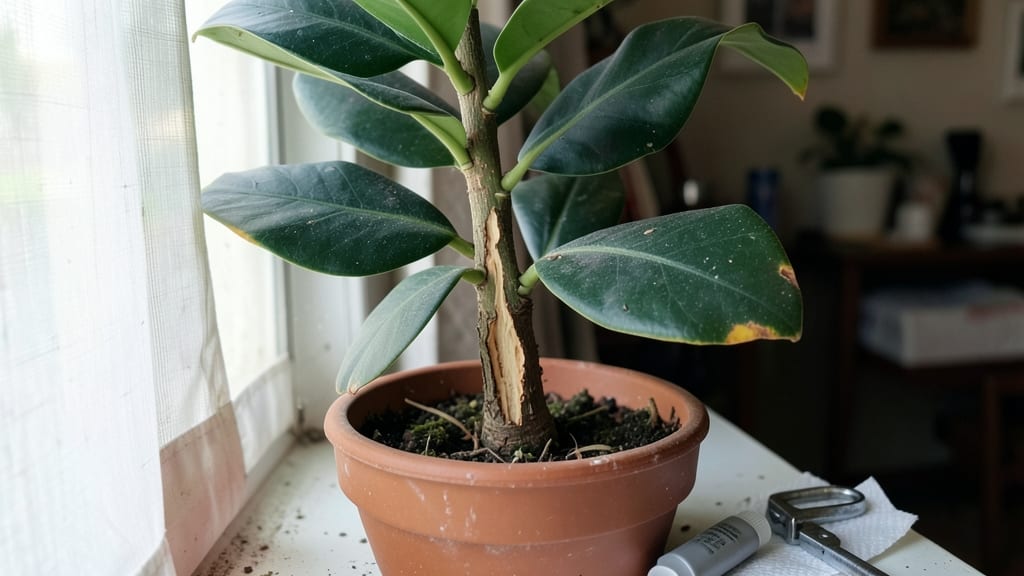
Fixing a split tree trunk isn’t just about aesthetics—it’s a race against time to prevent disaster. 🌳 I’ve seen storm damage turn a sturdy oak into a hazard in minutes, and the key to saving it starts with quick action.
The moment you spot a crack wider than your thumb or a split that’s peeling the bark like a banana, you need to assess whether it’s a pruning job or a structural crisis.
Most splits happen from sudden winds, ice, or weak wood caused by disease or poor growth. I learned the hard way that waiting even a week can let rot set in—once the split widens past 2 inches, the tree’s days are numbered.
But if you catch it early, bracing with metal straps or cables can buy time while you decide whether to prune, graft, or call an arborist.
What you’ll end up with is a tree that stays standing for years, not one that crashes during the next storm. The right repair keeps it safe, healthy, and looking natural—no one will guess it was ever damaged.
We’ll walk through the tools, techniques, and warning signs that tell you when DIY stops and professional help begins.
Works for any backyard tree—oak, maple, or even a prized fruit tree—just adjust the approach based on size and severity. Let’s get that tree stabilized before winter hits.
Root Causes of Tree Splits
Understanding why a tree splits is the first step to preventing future damage and repairing it safely. Storms, disease, and even poor growth habits can weaken a tree’s structure, making splits a common—and often dangerous—issue. Below, we break down the key reasons trees split, backed by science and real-world observations.
🌪️ The Science: Trees are designed to bend, not break—but extreme wind or hail can push beyond their limits. When wind speeds exceed 30-40 mph, the force exerted on a tree’s trunk and branches increases exponentially.
A mature oak, for example, can experience thousands of pounds of pressure during a storm, especially if its root system is shallow or compromised.
- Sudden gusts create torsional stress (twisting forces) that exceed the tree’s natural flexibility.
- Ice or heavy snow adds weight, increasing the risk of compression splits where the trunk cracks under pressure.
- Lightning strikes can cause explosive internal pressure, leading to sudden, violent splits.
💡 Pro Tip: Trees with co-dominant stems (two or more main trunks growing upward) are 3x more likely to split because their competing growth weakens structural integrity.
🌳 The Science: A tree’s strength depends on its wood density, branching patterns, and internal defects. Over time, factors like rot, decay, or poor pruning create hidden weaknesses that turn a minor storm into a disaster.
| Weakness Type | Cause | Risk of Splitting |
|---|---|---|
| Rotten Core | Fungal decay (e.g., Armillaria) | High – Hollow sections collapse under stress |
| Co-Dominant Stems | Two trunks growing together | Very High – No natural support |
| Deadwood or Weak Branches | Poor pruning, disease, or age | Moderate – Sudden branch failure |
| Poor Root Anchor | Compacted soil, erosion, or shallow roots | High – Tree topples or splits at base |
🔥 Key Insight: Even a small crack (called a shake) can spread rapidly under stress. If you see vertical splits along the grain, the tree may have internal separation—a sign it’s on the verge of failure.
🐛 The Science: Fungi, insects, and pathogens hollow out a tree’s interior, reducing its ability to withstand stress. Some of the worst offenders include:
- Heart Rot Fungi (Fomes fomentarius, Phellinus weirii): These decay the center of the tree, leaving a shell that’s prone to splitting.
- Beetle Infestations (e.g., emerald ash borer): Larvae tunnel through wood, creating weak pathways that split under pressure.
- Bacterial Cankers (Pseudomonas syringae): These cause gumming and cracking in branches, making them brittle.
🌡️ Warning Sign: If a tree has oozing sap, mushroom growth at the base, or excessive woodpecker activity, it’s likely compromised.
🌱 The Science: Trees grown in stressful environments develop structural flaws that make them prone to splitting. Common culprits:
- Compaction or Poor Soil: Roots struggle to anchor, making the tree top-heavy and unstable.
- Drought Stress: Trees under water stress produce weaker wood with lower moisture content, increasing brittleness.
- Improper Pruning: Over-pruning removes structural support, while poor cuts (too close to the trunk) create entry points for disease.
- Construction Damage: Root severing or soil disturbance from nearby digging weakens the tree’s stability.
✨ Prevention Tip: Mulching and deep watering improve root strength, while proper pruning cuts (just outside the branch collar) promote healing.
📅 The Science: All trees eventually weaken as they age. Older trees (50+ years) have a higher risk of splitting due to:
- Wood Shrinkage: As trees dry out, seasonal cracks (called checks) form, which can deepen over time.
- Gravity and Weight: The combined weight of branches and foliage increases stress on the trunk.
- Genetic Weakness: Some species (e.g., willows, poplars) are naturally more prone to splitting due to weak wood grain.
💪 Actionable Insight: If a mature tree is in a high-risk zone (near homes, power lines, or driveways), proactive bracing or cabling can extend its lifespan safely.
Step-by-Step Emergency Tree Repair
A split tree demands swift action to prevent further damage, injury, or safety hazards. Whether the split is minor or severe, knowing how to stabilize and repair it can save your tree—and your property.
Below are practical solutions tailored to the cause of the split, along with prevention tips to keep your tree healthy long-term.
If a storm or strong winds caused the split, the tree may be structurally compromised. Act fast to secure it before it worsens.
🔧 Immediate Stabilization (First Aid)
- Assess the Damage 👀 - Check if the split is clean (sharp break) or ragged (tearing).
A clean break may heal better over time, while a jagged split risks further cracking. - Look for leaning or hanging branches—these are high-risk and may fall unexpectedly.
- Support the Tree with Cables or Straps 🧵 - Use tree repair cables (available at garden centers) to gently tie the split sections together.
Avoid over-tightening, as this can crush the bark. - For large splits, wrap steel bands around the trunk and secure them with tree straps or bolts (pre-drill holes to avoid further damage). - Pro Tip: 💡 If you don’t have cables, use strong nylon rope or bungee cords as a temporary fix until you can get proper materials.
- Prune Damaged Branches ⏰
- Remove any hanging, dead, or severely damaged branches using clean, sharp pruning shears or a pruning saw.
- Make cuts just outside the branch collar (the swollen area where the branch meets the trunk) to promote healing.
- Safety First: 🚨 Wear gloves and eye protection—damaged wood can be sharp!
- Protect the Wound 🛡️
- Cover the split with tree wound dressing (like Tangle-Foot Tree Wound Pruning Seal) to prevent disease or pests from entering.
- Avoid painting the entire wound—only seal the edges to encourage natural healing.
🌱 Long-Term Repair (If the Tree Can Be Saved)
- Monitor for Decay 🕵️♂️: If the split exposes discolored or mushy wood, the tree may be beyond saving. Consult an arborist for professional advice.
- Fertilize & Water Properly 💧: A healthy tree heals better.
Apply balanced fertilizer in early spring and keep the soil moist (but not waterlogged). - Avoid Heavy Pruning 🌿: Over-pruning weakens the tree further. Only remove dead or hazardous branches.
If a large branch split but the trunk remains intact, you can often save the branch with proper care.
🔨 Securing the Split Branch
- Use a Tree Fork or Prop 🌲
- If the branch is still attached but unstable, prop it up with a sturdy wooden fork or concrete block to prevent it from falling.
- Pro Tip: 🌡️ Bury the prop partially in the soil for extra stability.
- Reattach with a Splint 🛠️
- For smaller splits, use a wooden splint (like a dowel or 2x4) to hold the broken pieces together.
- Secure it with tree straps or wire, ensuring it doesn’t cut into the bark.
- Encourage Healing with Pruning ✂️ - If the split is less than 1/3 of the branch’s diameter, it may heal on its own.
Just avoid pruning near the wound for at least 6–12 months. - If the split is wide or deep, you may need to remove the branch entirely to prevent further damage.
Some splits are too dangerous to repair—especially if:
- The trunk is completely split in half.
- The tree is leaning precariously.
- There’s significant rot or pest damage.
🪓 When to Call an Arborist
- If the tree is a hazard to people or property, remove it immediately.
- An arborist can assess whether partial removal (e.g., taking out only the damaged top) is an option.
- Cost Consideration: 💰 Professional removal can cost $300–$1,500+, but it’s safer than a DIY attempt gone wrong.
The best "repair" is prevention! Follow these steps to reduce the risk of future splits:
✅ Regular Pruning 🌿
- Trim weak, crossing, or dead branches every 2–3 years to reduce stress on the tree.
- Best Time: Late winter or early spring (when the tree is dormant).
✅ Proper Watering & Mulching 💧
- Deep watering (1–2 inches per week) keeps the tree hydrated and flexible during storms.
- Apply 2–4 inches of mulch around the base (but keep it away from the trunk) to protect roots.
✅ Support Young Trees 🌱
- Use tree ties or stakes for newly planted trees to help them grow straight and strong.
- Remove supports after 1–2 years to avoid girdling (where ties cut into the bark).
✅ Choose Resistant Tree Species 🌳 - Some trees (like oak, maple, and hickory) are more prone to splitting in storms.
If you live in a high-wind area, consider planting more flexible species like: - Willow (fast-growing, bendy) - Silver Birch (tolerates wind well) - Crape Myrtle (strong branches)
✅ Storm Preparation ⚡
- Before hurricane season, prune deadwood and secure loose branches.
- If possible, plant trees away from structures (at least 20–30 feet from your house).
A split tree won’t always fall immediately—but ignoring it can lead to sudden collapse, especially after rain or another storm. Act within 24–48 hours for the best chance of saving your tree (or at least preventing further damage).
If you’re unsure whether to repair or remove, consult a certified arborist—it’s better to be safe than sorry! 🚑🌳
Frequently asked questions
How do I know if a split tree is safe to keep?
Check for these red flags: splits wider than 2 inches, visible rot or mushrooms at the base, or a trunk that's leaning more than 15 degrees. If the split exposes discolored or mushy wood, the tree is likely beyond saving. For smaller cracks (1 inch or less) with no other damage, you may be able to stabilize it with proper bracing. Always err on the side of caution with large or mature trees near structures.
Can I use regular duct tape or wire to fix a tree split?
No—duct tape will peel off and fail under stress, while wire can cut into the bark and cause further damage. Use only tree-specific repair cables or steel bands designed for this purpose. These materials flex with the tree's natural movement while providing secure support. If you don't have the right tools, nylon rope or bungee cords can work temporarily until you get proper supplies.
Will sealing a tree split with paint or caulk help it heal?
Actually, it can do more harm than good. Sealing the entire wound prevents natural healing by trapping moisture and blocking the tree's ability to compartmentalize decay. Only use tree wound dressing on the edges of the split to prevent pests from entering. The tree's natural callus tissue will form over time if the damage isn't too severe. Focus on proper pruning and support rather than sealing.
How long does it take for a small tree split to heal?
Minor splits (under 1 inch) in healthy trees may show signs of healing within 6–12 months, with full recovery taking 2–3 years. The tree forms callus tissue around the wound to seal it. For larger splits, healing is unlikely—your goal should be stabilization, not repair. Monitor the area annually for rot or further cracking, especially during storm seasons. Young, flexible trees heal faster than old, brittle ones.
What's the difference between a split and a crack in a tree?
A split is a vertical separation that runs along the grain of the wood, often caused by sudden stress like storms. A crack (or check) is usually horizontal or diagonal and forms as the wood dries out seasonally. Splits are more dangerous because they compromise structural integrity, while cracks are often cosmetic. If you see peeling bark or exposed wood in a vertical split, act quickly—these are high-risk signs.