
Pruning
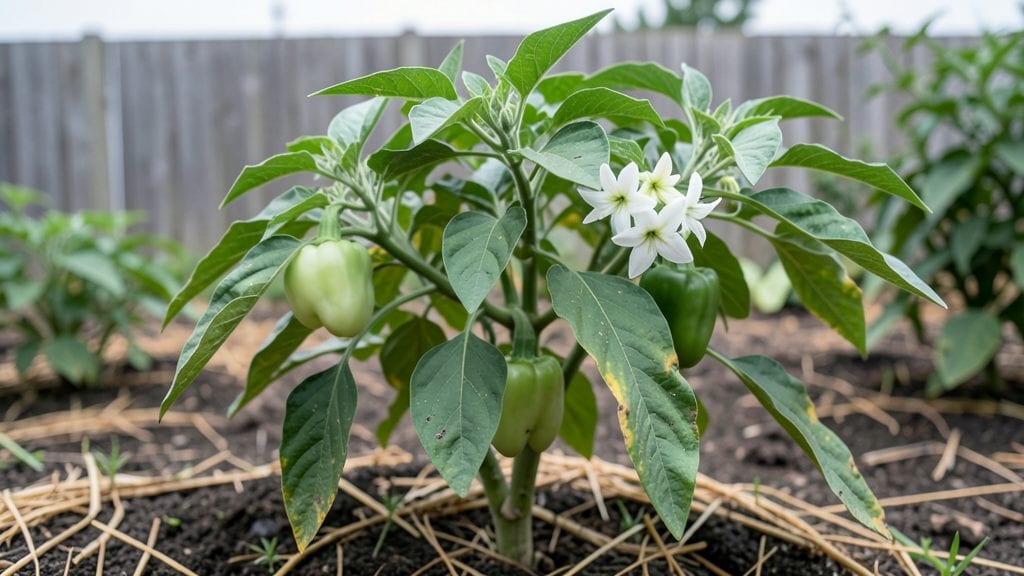
Growing a blue pepper tree means waking up to glossy purple leaves that stay vibrant all year. ✨ I’ve learned the pruning secrets that keep mine thriving indoors—no matter how little sunlight my apartment gets.
The key isn’t just trimming; it’s understanding when to shape for fullness and when to let it air out for better growth.
You’ll need sharp pruners, a sunny spot (even artificial light works), and well-draining soil. My tree’s in a 15-gallon pot now, but it started in a tiny 3-gallon container. The real magic happens in late winter when you prune back about a third—it forces fresh, bushier growth by spring.
No fancy tools required, just patience and a steady hand.
By summer, your tree will be a lush, purple-green fountain of leaves, perfect for adding color to any room. The best part? It’s hardy enough to handle occasional neglect but rewards attention with dramatic new shoots. Even my black thumb can’t kill this one—once you get the pruning rhythm down.
Works equally well as a houseplant or patio staple, and yes, those tiny peppers are edible (though spicy!). The secret to year-round beauty is pruning at the right times—spring for shape, fall for cleanup. Let’s get yours thriving before winter sets in.
📚 In This Guide
- What you need
- Instructions
- Tips and common mistakes
- Wrapping up and next steps
What you need
- ● Pruning shears: Sharp, bypass-style shears (4–6 inches) for clean cuts on small branches.
- ● Loppers: Heavy-duty, bypass or anvil-style (8–10 inches) for thicker branches (½–1.5 inches).
- ● Pruning saw: Curved or folding saw for branches over 1.5 inches in diameter.
- ● Gloves: Cut-resistant or gardening gloves (thick leather for protection against thorns).
- ● Disinfectant: 70% isopropyl alcohol or rubbing alcohol to sterilize tools between cuts.
- ○ Sealing wax or pruning paste: (Optional but helpful) to cover large cuts and prevent disease.
- ● Bucket or bag: For collecting pruned branches and debris.
- ● Watering can or hose: To hydrate the tree post-pruning.
- ● Timing: Prune in late winter or early spring (before new growth) for best results.
- ● Weather: Choose a dry, overcast day to minimize stress on the tree.
- ● Safety gear: Safety glasses (if working near the face) and long sleeves/pants (to avoid thorns).
- ● Tree health check: Inspect for diseased or dead branches before pruning.
- ● Extension pole: For hard-to-reach branches.
- ● String or measuring tape: To mark pruning points before cutting.
- ● Compost or mulch: To replenish soil after pruning.
- ● Camera: Snap photos of your tree’s structure before pruning for reference!
Instructions for pruning a blue pepper tree for maximum growth
Here's how I keep my blue pepper tree thriving with strategic cuts—no guesswork, just proven results.
✂️ Step 1: Prune in Late Winter for New Growth
Wait until just after your last frost date, when new growth is about to begin. I like to prune in late February or early March—this timing ensures you cut back before the tree starts its active growing season. Use clean, sharp pruning shears to make cuts at a 45-degree angle, about ¼ inch above a leaf node or outward-facing bud. This angle helps water run off and prevents rot.
Remove any dead, diseased, or crossing branches first—they’ll only compete with healthy growth. If your tree has leggy branches reaching too far, trim them back by one-third to encourage bushier growth. You’ll see fresh, vibrant leaves emerge within 2-3 weeks if you’ve pruned at the right time.
☀️ Step 2: Shape the Tree in Early Summer for Sunlight Access
Once the tree is actively growing, usually in June or July, focus on shaping it to maximize sunlight exposure. Thin out any dense areas where branches overlap—this improves airflow and reduces pests. Aim to leave 3-4 main branches spaced evenly around the trunk, cutting back any smaller, weaker growth that’s competing for nutrients.
Here’s the thing—blue pepper trees grow fast, so I prune lightly in summer to avoid shocking the plant. Just trim back any overly long branches by 10-15% and remove any suckers (shoots growing from the base or trunk). You’ll notice new side branches filling in within 4-6 weeks, giving your tree a fuller, more balanced look.
✂️ Step 3: Light Prune in Fall to Prepare for Winter
In October or November, do a light pruning to tidy up the tree before winter. Remove any dead or yellowing leaves and trim back any branches that grew too long during the summer. Avoid heavy pruning now—you don’t want to stress the tree before dormancy. Just clean up the shape and remove any branches that are rubbing against each other, as this can cause damage over time.
This is also a great time to sterilize your pruning tools with rubbing alcohol to prevent spreading disease. After pruning, give the tree a light fertilizer application to help it store nutrients for next year’s growth. You’ll see the tree looking neat and ready for winter, with no dead branches to weigh it down.
🌿 Step 4: Monitor and Adjust Growth Year-Round
Throughout the year, keep an eye out for any branches that are growing too close together or blocking sunlight. A quick trim with your shears can prevent issues before they start. If you notice any yellowing leaves, it might be a sign of overwatering or poor drainage—adjust your care routine accordingly.
I also like to rotate the tree occasionally so it doesn’t lean toward the light. This keeps it growing evenly and prevents one side from becoming too dense. By the end of the year, your blue pepper tree will look lush, well-shaped, and ready to produce even more vibrant foliage next season.
Tips & tricks for pruning a blue pepper tree
A few strategic tricks will help you transform your pruning routine from basic maintenance to a game-changing growth booster.
The Timing Factor: Late February or early March is perfect for your first prune because it aligns with the tree's natural dormancy period. I've found that pruning too early can expose the tree to late frost damage, while waiting too long means you'll be cutting back new growth that's already established. The 2-3 week window for new leaf emergence after pruning gives you a clear visual cue that you've timed it right—watch for those first bright green leaves as your reward.
Cutting Technique: That 45-degree angle isn't just for looks—it's a water management system. The angled cut directs water away from the branch collar, preventing rot that can kill your tree. I always double-check my cuts by making sure the outer bark remains intact at the base. And here's a pro move: sterilize your shears with rubbing alcohol between cuts, especially when dealing with diseased branches. This simple step prevents cross-contamination that could spread throughout your tree.
Seasonal Strategy: Summer pruning deserves special attention because blue pepper trees grow aggressively. When you're trimming back those long branches by 10-15% in June or July, you're not just shaping—you're training the tree. The 4-6 week recovery period gives you time to observe how the tree responds to your cuts. If you notice excessive leaf drop after pruning, you might be cutting too much—remember, we're encouraging growth, not stressing the plant.
Year-Round Observation: That yellowing leaves warning sign is your tree's way of saying something's off. While it could indicate overwatering or poor drainage, it might also be a sign that your tree needs more sunlight. I keep a small notebook by my blue pepper tree and jot down when I notice changes—this helps me spot patterns. For example, if yellowing always appears after heavy rains, I know to adjust my watering schedule rather than assuming it's a pruning issue.
Pro Tips for Blue Pepper Tree
- A few strategic tricks will help you transform your pruning routine from basic maintenance to a game-changing growth booster.
- The Timing Factor: Late February or early March is perfect for your first prune because it aligns with the tree's natural dormancy period.
- Cutting Technique: That 45-degree angle isn't just for looks—it's a water management system.
Frequently asked questions
Got questions about growing and pruning your blue pepper tree? You’re not alone! Here are some of the most common queries—and straightforward answers—to help you keep your tree thriving year-round.
How often should I prune my blue pepper tree?
Prune your Schinus terebinthifolius 2–3 times a year for best results: once in early spring (to shape and remove dead branches), again after fruiting (late summer), and lightly in winter if needed. Avoid heavy pruning in fall—it can stress the tree before winter dormancy. Pro tip: Focus on air circulation to prevent fungal issues!
Can I prune my blue pepper tree in winter?
Yes, but go light! Winter pruning (Dec–Feb) is ideal for minor shaping or removing damaged branches, but avoid heavy cuts. The tree is semi-dormant, so it recovers slower. If you must prune heavily, do it in early spring (March–April) when new growth is about to start. Warning: Never prune in frost-prone areas!
What if my blue pepper tree isn’t producing berries?
Lack of berries often stems from poor pollination, over-pruning, or insufficient sunlight. Ensure your tree gets 6+ hours of sun daily and isn’t overcrowded. If it’s young (<3 years), be patient—it needs time to mature. For indoor trees, hand-pollinate with a soft brush. Bonus: Male and female flowers appear on separate trees, so check if you need both!
Are blue pepper tree leaves toxic to pets?
Yes, all parts of the blue pepper tree are toxic to dogs and cats if ingested. The leaves and berries contain terebinthifolin, which can cause vomiting, diarrhea, or drooling. Keep your pet away from fallen leaves or chewed branches. Safety tip: Train pets to avoid the tree or opt for a pet-friendly alternative like Ficus elastica (rubber plant).
Can I grow a blue pepper tree indoors?
With bright, indirect light (east/west-facing windows) and a well-draining pot, it thrives indoors. Rotate the pot monthly for even growth. Expect slower growth than outdoors, but regular pruning keeps it manageable. Watch out: Indoor trees may produce fewer berries—supplement with a balanced fertilizer (20-20-20) in spring/summer!
Wrapping up and next steps
Your blue pepper tree is now primed for year-round beauty with the right pruning know-how! By mastering the art of shaping, encouraging growth, and maintaining health, you’ve unlocked the secret to a thriving, lush plant. Remember: consistency is key—regular check-ins will keep your tree flourishing.
Ready to take the next step? Start small—prune just one branch this week and observe how it responds. Over time, you’ll build confidence and create a stunning, productive blue pepper tree that’s the envy of your garden! 🌿✨