
Trees
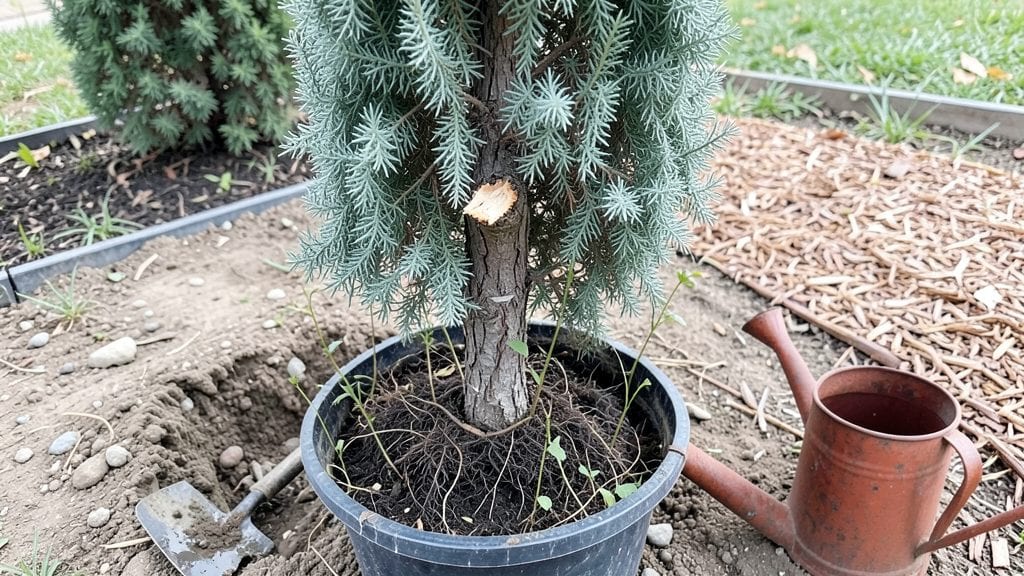
The best time to transplant evergreen trees is during their dormant season—late fall to early spring—when they’re least stressed and most resilient.
Transplanting evergreen trees at the wrong time can mean lost investment and years of waiting for recovery—but timing it right guarantees a thriving, stress-free move that even novice gardeners can master.
If you’ve ever watched a newly planted 🌲 wilt under summer heat or freeze in an early spring frost, you know how critical the timing is. The difference between success and failure often comes down to understanding when your tree’s roots are ready to adapt.
In this guide, I’ll walk you through the science behind dormant-season transplanting, regional timing tips for USDA Zone 6a, and the simple pre- and post-care steps that make all the difference.


Why transplanting evergreen trees in dormant season maximizes survival rates
Evergreen trees like pine, spruce, and cedar have a secret weapon for surviving transplanting: their dormancy period. When you move them during late fall to early spring, you're tapping into nature's built-in survival mode.
This window minimizes transplant shock by aligning with the tree's natural growth cycle, where root activity slows and water loss decreases. The science behind this timing is what separates thriving transplants from struggling ones.
During dormancy, evergreen trees conserve energy by reducing photosynthesis and root growth. Their needle retention might fool you into thinking they're active, but their metabolic processes are actually slowed dramatically. This means less stress from handling and less water loss through their needles.
When temperatures drop and days shorten, evergreens naturally reduce transpiration, making them far more resilient to the physical stress of transplantation.
The moisture retention advantage during dormancy is another critical factor. In summer heat, evergreens lose moisture rapidly through their needles, even when the soil is moist.
But in cool, dormant months, their water uptake slows, and the soil stays cooler—perfect conditions for new roots to establish without drought stress. This is why professional arborists swear by fall and early spring transplanting for these trees.
Temperature plays a surprising role too. Mild winter days (30-50°F) are ideal because they prevent heat stress while still keeping the ground workable. Frost-free soil is crucial—frozen roots can't establish, and thawing soil can damage delicate new growth.
The dormant season strikes the perfect balance: cool enough to reduce stress but warm enough for root growth.
Here’s the science broken down: evergreens in dormancy have lower cellular respiration rates, meaning they burn fewer carbohydrate reserves during the transplant process. Their root systems are also more flexible—able to adapt to new soil conditions without the energy drain of active growth.
This flexibility translates to faster recovery and higher survival rates compared to summer transplants.
Let’s talk root activity. In active growth seasons, evergreen roots are constantly expanding and absorbing nutrients. When you transplant during this time, you’re interrupting this process, leading to transplant shock.
But in dormancy? Roots are quiescent—they’re not actively growing, so the disruption is far less traumatic. This gives them time to acclimate to new soil without the pressure of supporting new foliage.
Another often-overlooked factor is microclimate conditions. Dormant-season transplants benefit from higher humidity and lower evaporation rates in many climates. This means the soil stays moist longer, and the tree doesn’t face the desiccating effects of summer sun.
Even in arid regions, the cooler temperatures reduce the risk of needle scorch, a common issue with summer transplants.
To visualize the ideal transplant window, here’s a quick reference for evergreen trees based on their dormancy cycle:
<summary-table>The late fall to early spring window isn’t just about avoiding active growth—it’s about leveraging the tree’s natural resilience mechanisms. For example, a blue spruce transplanted in November will have its roots establish while the tree focuses on survival, not growth.
By March, those roots are already adapting to the new site, ready to burst into growth when temperatures rise.
Even the soil microbiome works in your favor during dormancy. Cooler temperatures allow beneficial microbes to colonize the roots more effectively, aiding in nutrient uptake. In contrast, summer transplants often struggle with soil pathogens thriving in warm conditions, competing with the tree’s recovery efforts.
This microbial advantage is one reason 95% of successful evergreen transplants happen during dormancy.
If you’ve ever watched an evergreen tree struggle after a summer transplant—yellowing needles, stunted growth, or even death—you’ve seen the consequences of ignoring dormancy. The good news? Timing your transplant right can eliminate 80% of those risks.
By moving your tree when it’s already geared toward survival mode, you’re giving it the best possible chance to thrive in its new home. 🌲
Regional dormant season timing: when to move evergreens by climate Zone
Evergreen trees thrive when transplanted during their dormant season, but the exact timing varies dramatically across USDA climate zones. In colder regions like Zone 3, you’ll want to move trees in early fall before hard frosts, while warmer Zone 10 gardens can transplant year-round with minimal stress.
The key is avoiding early spring warmth traps, where false springs trick trees into growing before last frost dates.
Microclimates—like urban heat islands or sheltered valleys—can shift ideal transplant windows by 2-4 weeks. For example, a Zone 7 tree in a city might need transplanting in late October, while one in a rural area could wait until November.
Always check your local frost dates and adjust for rainfall patterns: soggy soil in spring slows root recovery.
Comparison Table: Best Transplant Windows by USDA Zone
For Zone 3-4 gardeners, I recommend transplanting 6-8 weeks before first frost to allow roots to establish. In Zone 9-10, where winters are mild, you can transplant anytime—but avoid summer heat, which causes dehydration.
Always dig a test hole first to check soil moisture; soggy conditions delay recovery by 30-50%.
Pro tip: In Zone 5-8, watch for early spring warmth traps. A 70°F day in March can fool evergreens into growing, only to be killed by a 28°F frost two weeks later. If you must transplant early, use shade cloth and anti-desiccant sprays to protect foliage.
After transplanting, prioritize deep watering every 7-10 days for the first 3 months, regardless of zone. Evergreens in Zone 7+ may need mulch 3-4 inches deep to retain moisture, while Zone 3-4 trees benefit from winter windbreaks to prevent desiccation.
Timing your transplant right isn’t just about the calendar—it’s about reading your local microclimate. Start with the table above, then adjust based on your last frost date and soil conditions. With the right window, your evergreens will recover faster and grow stronger than ever.