
Aphids
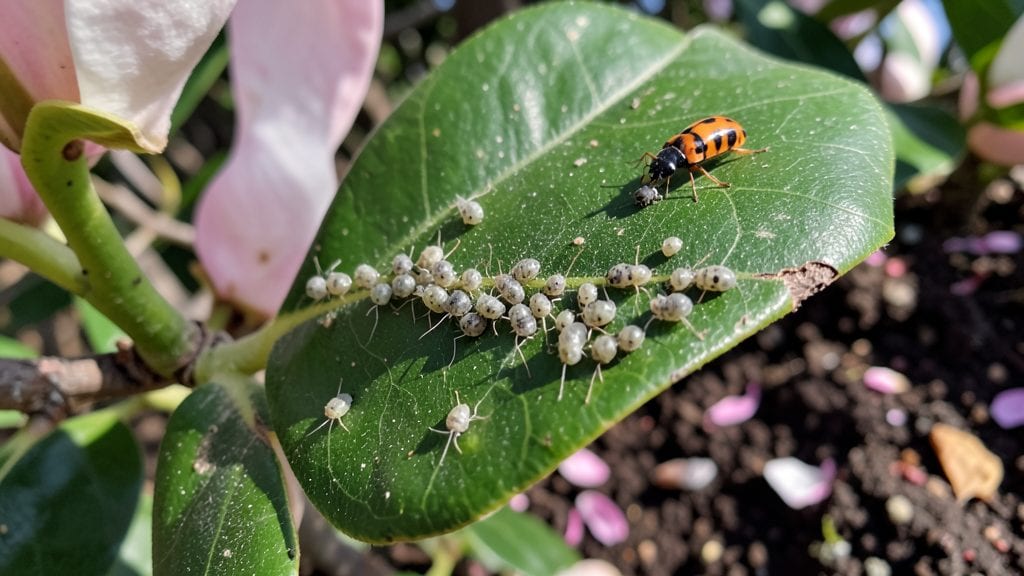
Aphids on magnolia trees turn your spring blooms into sticky, curled messes faster than you can say "neighborhood envy." 🌱 I’ve battled these sap-sucking pests on my own magnolia, and the key isn’t just sprays—it’s timing, targeted attacks, and a little biological help from nature’s cleanup crew.
The worst part? Aphids love magnolias because they’re soft, sweet, and defenseless against these tiny vampires. But here’s the good news: a homemade spray with soap, water, and a dash of neem oil can knock them out in 24-48 hours—no harsh chemicals needed.
The trick is hitting them when they’re most vulnerable, usually after rain or in early morning dew.
By the end of this, your tree’s leaves will be glossy green again, buds won’t be sticky, and those pesky ants (who farm aphids) will lose their free meal ticket. We’ll even cover when to call in the big guns—like ladybugs or horticultural oil—if the first round doesn’t stick.
Works for all magnolia varieties, from saucer to little gem, and keeps working through summer’s worst infestations. No more wilting blooms or black sooty mold—just healthy growth. Let’s get those aphids off your tree for good.
Root Causes Of Magnolia Aphids
Aphids on your magnolia tree aren’t just a random annoyance—they’re drawn to specific conditions that make your tree a prime buffet. Understanding these triggers helps you tackle the problem at its source. Here’s why these tiny pests decide to move in:
Aphids are opportunistic feeders, and a stressed or weakened magnolia tree becomes an easy target. When your tree is struggling, its natural defenses—like sticky sap or predator-attracting scents—diminish, making it vulnerable.
- Nutrient Deficiencies: Magnolias need balanced nitrogen, phosphorus, and potassium to stay healthy. A deficiency (especially in nitrogen) weakens leaves, making them softer and more appealing to aphids. - Poor Soil Health: Compacted, waterlogged, or nutrient-poor soil restricts root growth, reducing the tree’s ability to fend off pests.
Aphids thrive when roots can’t supply enough energy to produce protective compounds. - Drought Stress: Even mild dehydration causes magnolias to produce less sap, a natural aphid repellent. Once sap production drops, aphids detect the tree’s vulnerability and swarm.
💡 Pro Tip: Test your soil’s pH and nutrient levels—magnolias prefer slightly acidic soil (pH 5.0–6.0). Amend with compost or organic fertilizer to boost resilience.
Aphids have a love affair with tender, new leaves and shoots—they’re packed with high-sugar sap, which is like a five-star meal to these pests. Magnolias produce fresh growth in spring and early summer, making them prime targets.
- Sugar-Rich Sap: Young leaves contain more soluble sugars than mature ones, which aphids crave. Their piercing-sucking mouthparts easily tap into these nutrient-dense veins. - Lack of Tannins: Mature magnolia leaves develop tannins and resins, which deter pests.
New growth lacks these natural pesticides, leaving aphids unchecked. - Warm, Humid Conditions: Aphids reproduce exponentially in warmth (70–80°F) and high humidity—ideal conditions for spring and summer growth spurts.
✨ Actionable Fix: Prune infested new growth early to remove aphid hotspots. Encourage hardier, slower-growing branches by avoiding over-fertilizing with nitrogen.
A balanced ecosystem keeps aphid populations in check. But if your magnolia tree lacks beneficial predators, aphids multiply unchecked. Common culprits include:
- Pesticide Overuse: Broad-spectrum chemical sprays (like neonicotinoids) kill ladybugs, lacewings, and parasitic wasps—the aphids’ natural enemies. Without them, aphids reproduce without competition. - Isolated Trees: Magnolias planted alone in a yard lack diverse plantings that attract predator species.
Aphids thrive when there’s no "hunting ground" for their enemies. - Seasonal Timing: Aphids explode in early spring before predator populations rebound. If they’re not controlled early, they establish colonies that overwhelm the tree.
🔥 Quick Solution: Plant companion plants like dill, yarrow, or fennel near your magnolia to lure predator insects. Avoid spraying during predator-active hours (dawn/dusk).
Aphids are highly responsive to weather patterns, and certain conditions create perfect breeding grounds for infestations:
- Mild Winters: In regions with warm winters, aphids survive on alternate hosts (like nearby weeds) and return to magnolias in force when temperatures rise. - Sudden Temperature Shifts: Aphids reproduce faster in warm spells after cooler periods.
For example, a 50°F day followed by 80°F can trigger rapid population growth. - High Humidity: Aphids desiccate quickly in dry conditions but thrive in 60%+ humidity, which also slows down predator activity.
🎯 Prevention Hack: Use row covers in early spring to block aphids from landing while allowing pollinators access. Monitor weather forecasts and spray organic neem oil before warm snaps.
Quick Fixes for Stubborn Sap-Suckers
If your magnolia tree is under siege by aphids, don’t panic—these tiny pests are easier to evict than you think! The key is acting fast with targeted, eco-friendly solutions that disrupt their life cycle without harming your tree.
Below, we’ve mapped out the best fixes based on the root cause of your infestation, from mild outbreaks to full-blown attacks. Plus, we’ll share pro tips to keep aphids from crashing your magnolia’s next party.
When aphids are still sparse (think a few clusters here and there), a hands-on approach works wonders. These pests are slow-moving and vulnerable to removal.
👨🍳 Step 1: Blast Them Away
- Garden hose trick: Stand at the base of the tree and spray aphids directly with a strong stream of water. The force will knock them off leaves and stems. Repeat every 2–3 days until they’re gone.
- Pro tip: Do this on a sunny day—aphids hate the cold water shock! 🌞
🥘 Step 2: Soap It Up (Literally)
- Mix 1 tablespoon of mild liquid soap (like Castile soap) with 1 quart of water in a spray bottle.
- Dab or lightly spray the solution onto aphid clusters. The soap suffocates them by breaking down their waxy coating.
- ⚠️ Warning: Test on a small leaf first—some magnolias are sensitive to soap residue.
🌿 Step 3: Introduce Beneficial Buddies
- Ladybugs, lacewings, and parasitic wasps are aphid’s natural enemies. Buy them online or attract them with neem oil sprays (aphids repel these predators).
- 💡 Bonus: Plant dill, fennel, or yarrow nearby—they lure beneficial insects to your garden.
If aphids have spread but haven’t crippled your tree yet, it’s time for a stronger organic offense. These sprays disrupt their feeding and reproduction without chemicals.
🔪 Option 1: Neem Oil – The Ultimate Aphid Nemesis
- Recipe: Mix 1 teaspoon neem oil, 1 teaspoon mild soap, and 1 quart of water. Add a drop of dish soap as an emulsifier.
- How to use: Spray early in the morning or late evening (avoid direct sun—it can burn leaves). Reapply every 5–7 days until aphids vanish.
- Why it works: Neem oil smothers aphids, disrupts their hormones, and deters future infestations.
🌡️ Option 2: Homemade Garlic Spray (Smelly but Effective)
- Blend 1 cup garlic, 1 quart water, and 1 tablespoon cayenne pepper. Strain and add 1 teaspoon soap.
- Spray every 3–4 days until aphids retreat. The sulfur compounds in garlic repel and kill them.
- 🎯 Pro tip: Add a few drops of hot pepper wax (sold at garden stores) to boost potency.
✨ Option 3: Insecticidal Soap (Store-Bought or DIY)
- Store-bought: Look for potassium-based insecticidal soaps (like Safer® Brand).
- DIY: Mix 2.5 tablespoons vegetable oil, 2.5 tablespoons castile soap, and 1 gallon water.
- Spray directly on aphids (avoid overspray—it can harm beneficial insects). Reapply every 2–3 days.
If your magnolia looks like it’s wearing a white aphid blanket, you’ll need a two-pronged attack: immediate knockdown + long-term prevention.
🚨 Step 1: Prune and Dispose
- 🔪 Snip off heavily infested leaves/branches with clean pruners. Drop them into a sealed bag (not the compost!) to prevent reinfestation.
- 💡 Pro tip: Sterilize pruners with rubbing alcohol between cuts to avoid spreading pests.
🌿 Step 2: Horticultural Oil Bomb
- Use dormant oil (apply in early spring before buds swell) or summer oil (for active infestations).
- How to use: Spray thoroughly, covering both sides of leaves. Reapply every 7–10 days for 3 weeks.
- ⚠️ Warning: Avoid spraying on blooming magnolias—oil can damage flowers.
🛡️ Step 3: Physical Barriers & Traps
- Sticky traps: Hang yellow sticky cards near the tree to catch flying aphids and predators.
- Row covers: For young trees, drape fine mesh netting to block aphids while allowing pollinators through.
Once you’ve evicted the aphids, don’t let them throw a housewarming party next year. These habits will keep your magnolia aphid-free:
- 🌱 Healthy soil = happy tree: Magnolias thrive in well-draining, slightly acidic soil (pH 5.0–6.0). Add compost or aged manure in early spring to boost immunity.
- 💧 Water wisely: Deep watering 1–2 times per week (early morning) reduces stress, which aphids love to exploit.
- 🍃 Mulch like a pro: Apply 2–3 inches of organic mulch (like pine straw) to retain moisture and deter aphids.
- 🐞 Encourage predators: Plant aphid-repelling companions like rosemary, lavender, or marigolds near your magnolia.
- 🌿 Regular checks: Inspect your tree weekly (especially undersides of leaves) for early signs of aphids.
With these solutions, your magnolia will be aphid-free in no time—and ready to put on a stunning spring show. 🌸💪 Remember, consistency is key: act fast, stay vigilant, and let nature’s pest control do the heavy lifting!
Frequently asked questions
Why do aphids specifically target magnolia trees?
Magnolia trees are aphid magnets because their tender new growth is packed with high-sugar sap—aphids' favorite meal. Plus, magnolias produce fresh leaves in spring when temperatures are perfect for aphid reproduction (70–80°F). Their soft leaves also lack the protective tannins found in mature foliage.
How can I tell if my magnolia has a severe aphid infestation?
Watch for sticky honeydew residue on leaves, curled or yellowing foliage, and black sooty mold growing on the sap. If you see ant trails (aphids' bodyguards) or aphids covering entire branches, it's time for aggressive treatment. Severe cases may cause buds to drop or leaves to wilt.
Is neem oil safe to use on flowering magnolias?
Neem oil is generally safe but should be applied after flowering to avoid harming pollinators. For blooming trees, use it early morning or late evening when bees are less active. Always test on a small leaf first—some varieties are more sensitive than others.
Will aphids kill my magnolia tree?
While aphids won't kill a healthy magnolia outright, severe infestations can weaken the tree by sapping nutrients and attracting mold. The real danger comes from secondary issues like sooty mold blocking sunlight. Act quickly with organic sprays to prevent long-term damage.
How often should I check my magnolia for aphids?
Inspect your tree weekly during spring and summer—aphids multiply fastest during these seasons. Focus on new growth, undersides of leaves, and flower buds. Early detection means easier treatment with simple sprays instead of full-blown battles.